


The Pillars of Affordability
The economic genius of the simple Indian meal lies in its core components: lentils (dal), rice, whole wheat flour (atta), and seasonal vegetables. These staples form the backbone of the nation's food security and are relatively inexpensive due to India's
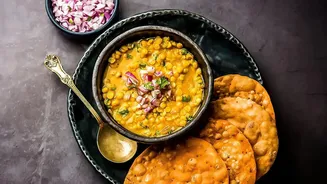
vast agricultural landscape. Lentils and pulses, available in dozens of varieties, are an incredibly cost-effective source of protein. When you buy these items in bulk, the cost per meal drops even further. A family can prepare a satisfying meal of dal, roti, and a simple vegetable side (sabzi) for a fraction of the cost of dining out or relying on processed foods. This focus on staples, which are naturally filling and high in fibre, ensures that meals are both substantial and easy on the wallet.
A Nutritional Powerhouse on a Budget
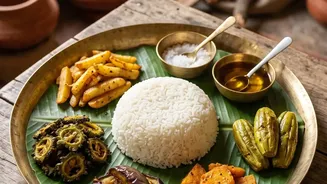
What makes these simple meals so remarkable is that their frugality does not come at the expense of nutrition. The classic combination of dal and rice or dal and roti creates a complete protein, providing all the essential amino acids the body needs. This is a principle that has been understood in Indian kitchens for generations, long before the term 'complete protein' became mainstream. A standard home-cooked 'thali' featuring dal, sabzi, roti, and rice offers a balanced mix of carbohydrates for energy, protein for muscle repair, and essential vitamins and minerals from the vegetables. Spices like turmeric, cumin, and coriander, used in small but effective quantities, not only add immense flavour but also bring anti-inflammatory and digestive benefits. This holistic approach ensures robust health without relying on expensive 'superfoods' or supplements.
The Culture of Home Cooking
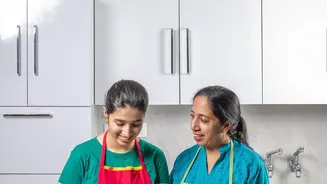
Beyond ingredients, the enduring culture of home cooking is a major factor. In many Indian households, cooking is not a chore but an act of care, a tradition passed down through generations. This ingrained culinary knowledge means that preparing meals from scratch is second nature. It reduces the reliance on expensive and often less healthy takeaway meals. The skills of tempering spices, kneading dough, and making the most of available ingredients are widespread. This culture also fosters an environment of resourcefulness, where leftovers are creatively repurposed into new dishes, minimizing food waste and stretching the household budget even further.
Versatility Is the Secret Ingredient
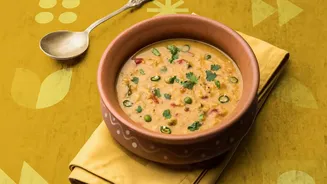
One of the most powerful aspects of simple Indian cooking is its incredible versatility. A modest pantry stocked with a few types of lentils, rice, flour, and a 'masala dabba' (spice box) can produce an astonishing variety of dishes. The same core ingredients can be transformed through different cooking techniques and spice combinations. A toor dal can become a simple soup one day, a hearty sambar the next, and part of a khichdi on another. This variety prevents palate fatigue, a common issue with budget-friendly diets that rely on repetitive meals. It ensures that eating on a budget remains an enjoyable and flavourful experience, not a monotonous one.
Simplicity as a Modern Choice
In recent times, the appeal of simple Indian meals has grown beyond just budget constraints. As more people become health-conscious, there is a renewed appreciation for the lightness and balance of home-cooked food. Many urban professionals, tired of the richness and heaviness of restaurant fare, are returning to the comfort of a simple 'dal-roti-sabzi' for their daily meals. They are realizing that these meals provide sustained energy without the post-lunch slump often associated with heavier, processed foods. This shift sees the simple Indian meal not as a compromise, but as a deliberate choice for a healthier, more sustainable lifestyle that also happens to be economically wise.