




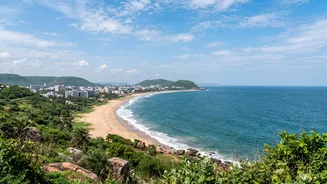
An Unspoiled Coastal Treasure
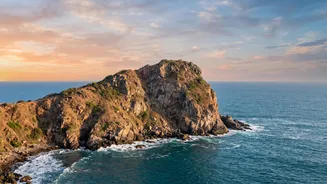
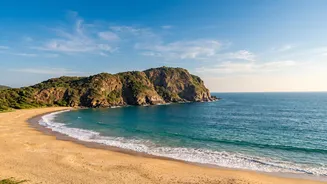
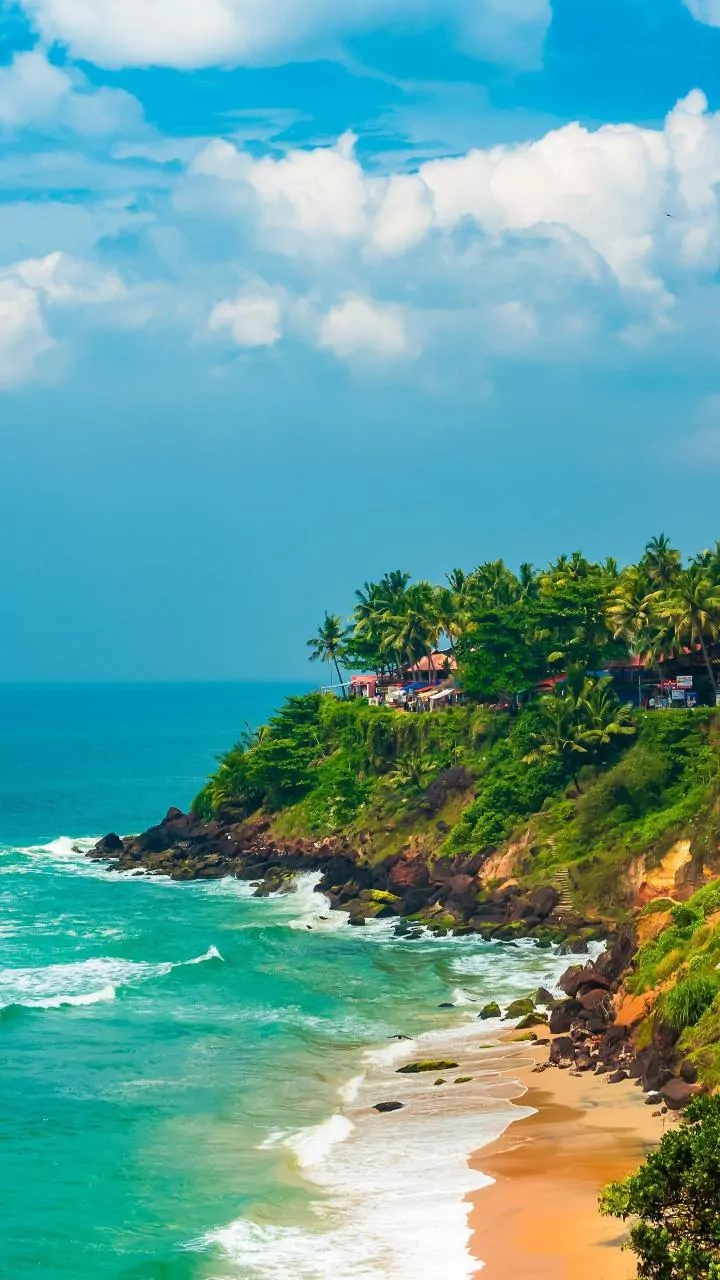
With one of the longest coastlines in India, stretching nearly 1,000 kilometers, Andhra Pradesh's primary asset is its wealth of beaches. Unlike more crowded coastal destinations, many of its shores remain pristine. The state government has identified
this as a major opportunity, aiming to develop key areas like Suryalanka Beach into structured tourism hubs. The vision includes not just beautiful beaches but a complete ecosystem of hotels, water sports, and hospitality zones. In places like Chirala, new adventure activities such as jet skiing and aerial sports have been introduced to attract younger travelers and families seeking more than just a quiet day by the sea. This push is supported by a modernized beach shack policy, particularly in the flagship coastal city of Visakhapatnam, designed to create a vibrant, Goa-like atmosphere while maintaining eco-friendly standards.
A Tapestry of Faith and History
Beyond the coast, Andhra Pradesh is a repository of deep cultural and spiritual heritage. The state is home to some of Hinduism's most significant pilgrimage sites, including the world-renowned Venkateswara Temple in Tirumala, which attracts millions of devotees. However, the cultural landscape is far more diverse. It holds a significant place in Buddhist history, with ancient sites like Amaravati and Chandavaram revealing stupas and monastic ruins that date back centuries. The state's historical narrative is also etched in stone at places like the Gandikota fort, dramatically perched over a stunning gorge on the Pennar River, and the Vijayanagara-era Veerabhadra temple at Lepakshi, famous for its architectural marvels. The government's strategy aims to link these powerful spiritual and historical sites with leisure travel, encouraging pilgrims to extend their stay and explore the region's other attractions.
The Cool Hills of the Eastern Ghats
Providing a lush, green contrast to the sun-drenched coast are the hills of the Eastern Ghats. Araku Valley is the crown jewel of this region, a hill station known for its rich biodiversity, cascading waterfalls, and sprawling coffee plantations. It's being developed as a hub for eco-tourism, with an emphasis on trekking, appreciating tribal culture, and sustainable travel. Nearby, Lambasingi, often dubbed the 'Kashmir of Andhra Pradesh', attracts visitors with its uniquely cold winter temperatures that can dip near freezing—a rarity in South India. This region offers a different flavour of tourism, one focused on nature, adventure, and tranquility. The state is working to improve connectivity to these sometimes-remote areas, making them more accessible to tourists seeking a cool retreat.
A Blueprint for Growth
The transformation of Andhra's tourism landscape is being driven by a clear and ambitious plan. The Tourism Policy 2024-29 is the cornerstone of this effort, granting official 'Industry Status' to the tourism and hospitality sector. This move unlocks significant financial incentives for private investors, including capital subsidies, tax reimbursements, and streamlined single-window clearances for new projects like hotels and resorts. The government aims to attract substantial investment, with targets set around ₹20,000-₹25,000 crore to fuel development. This policy is designed to build trust with private enterprises and ensure that support reaches deserving projects, fostering a robust ecosystem for growth. The broader vision is to elevate Andhra Pradesh into a top-tier global destination, increasing tourism's contribution to the state's economy and creating widespread employment.