


The Key Players: Non-Heme Iron and Calcium
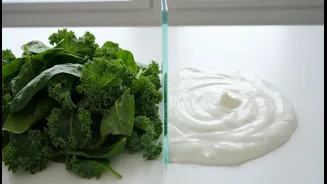
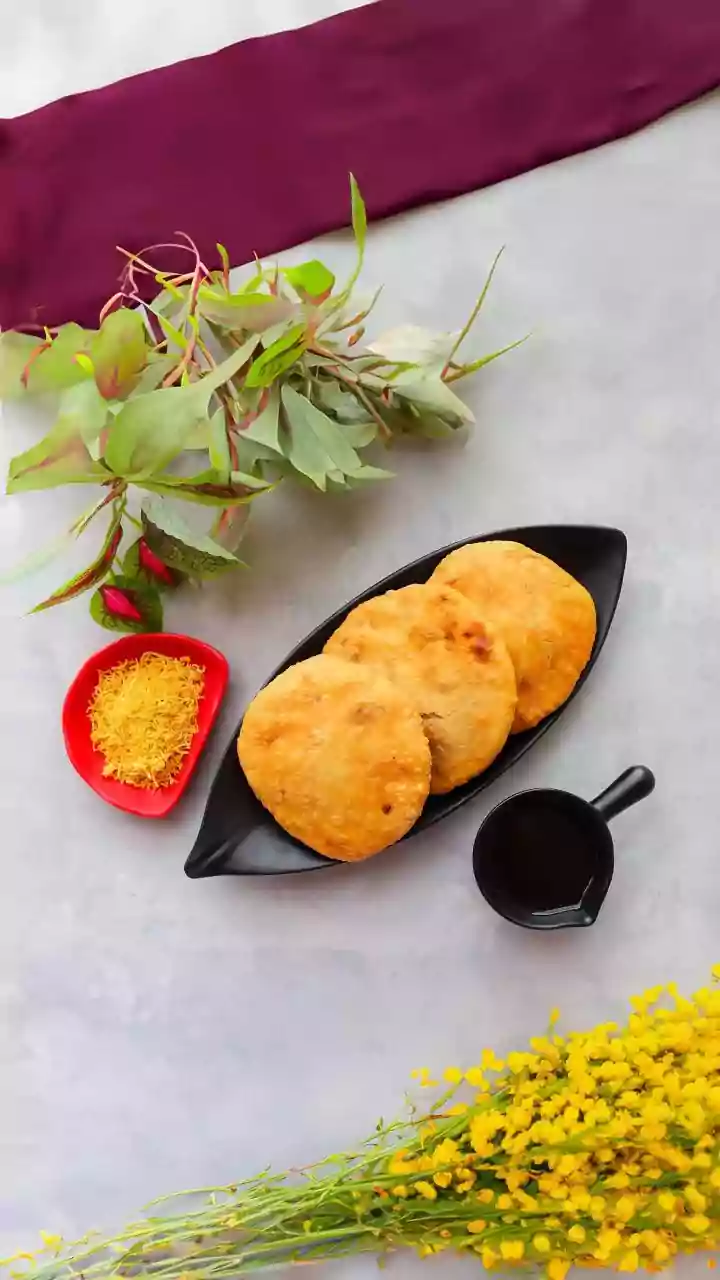
To understand the issue, we first need to know the two types of dietary iron. Heme iron comes from animal sources like meat, poultry, and fish, and it is easily absorbed by the body. Non-heme iron, on the other hand, is found in plant-based foods. Think
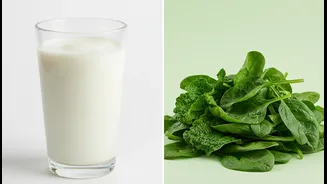
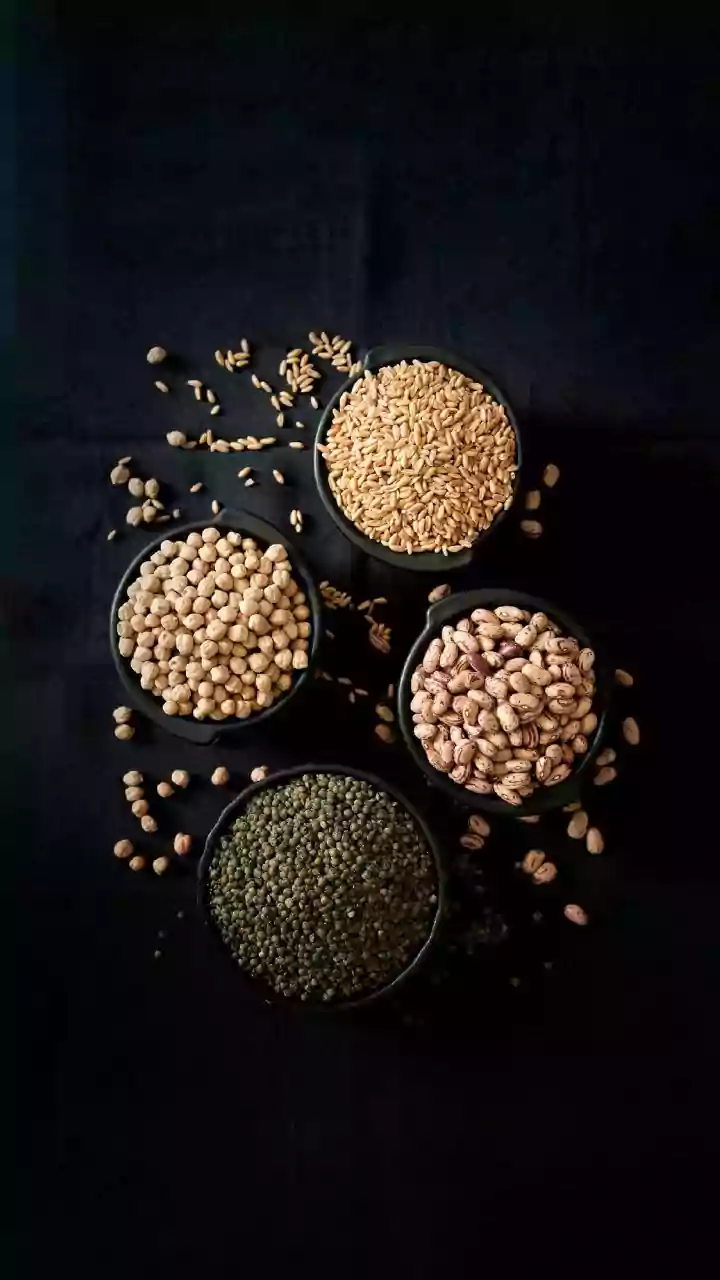
of lentils (dal), chickpeas (chana), spinach (palak), tofu, seeds, and whole grains. This type is harder for our bodies to absorb. Calcium is an essential mineral famous for building strong bones and teeth. It is abundant in dairy products like milk, yogurt (dahi), and cheese (paneer), as well as in fortified foods, some green leafy vegetables, and certain fish where you eat the bones. Both nutrients are vital, but they don't always play well together.
The Science Behind the Conflict
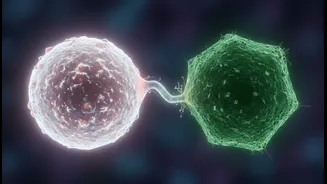
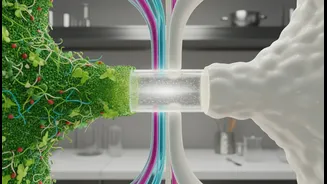
The problem happens in your small intestine, where nutrient absorption takes place. Both calcium and non-heme iron compete for the same entry pass into your bloodstream. They use the same transport protein, known as Divalent Metal Transporter 1 (DMT1). When you consume a meal rich in both calcium and plant-based iron, they essentially get in each other's way. Calcium, being a dominant mineral, often wins this competition, effectively blocking a portion of the iron from being absorbed. Studies show this effect is dose-dependent; the more calcium you have in a meal, the more significant the inhibition. Doses of 300 to 600 milligrams of calcium can reduce iron absorption by as much as 50 to 60 percent. For context, one cup of milk contains about 300 mg of calcium.
Does This Mean No More Palak Paneer?
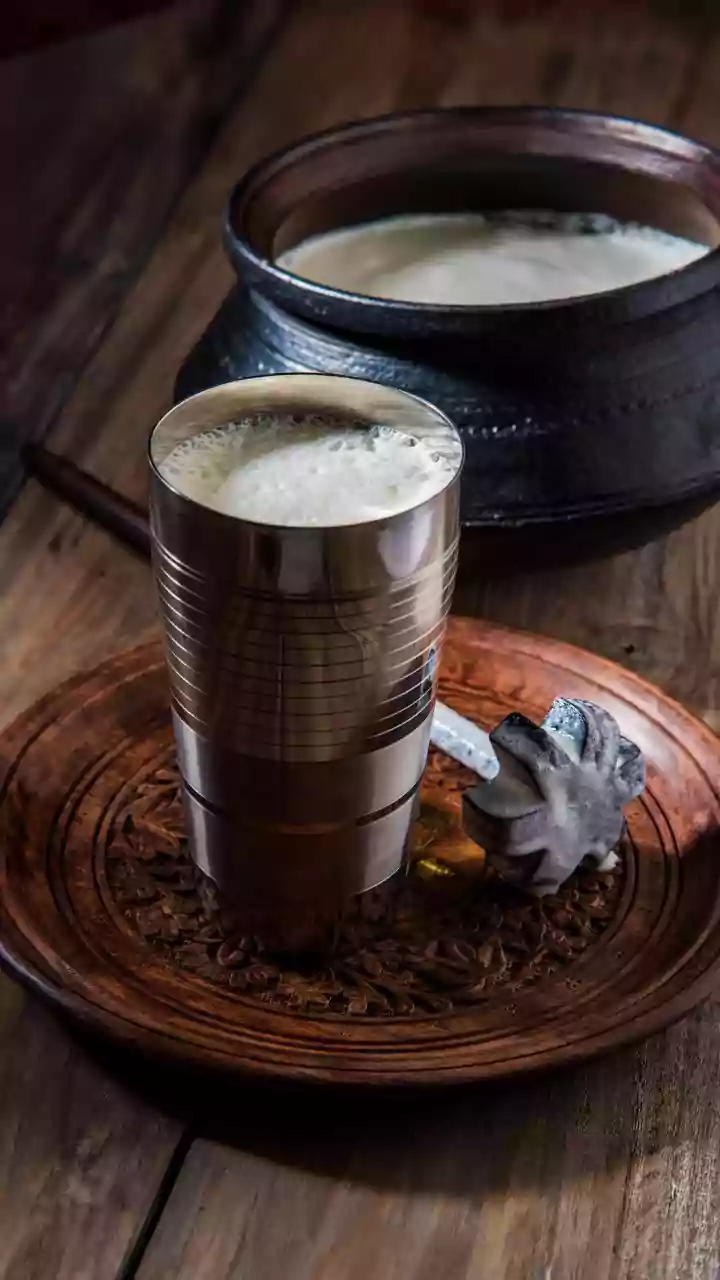
This might sound alarming, especially when considering classic Indian dishes like palak paneer (spinach with cheese) or a glass of lassi with a lentil-based meal. But there is no need to panic or completely abandon these food combinations. Nutrition science is complex, and the interaction in a single meal is just one part of a bigger picture. Long-term studies, which look at overall diet patterns over weeks or months, have found that calcium intake doesn't seem to negatively affect a person's overall iron status in the long run. Our bodies have sophisticated regulatory mechanisms. If iron stores are low, the body can compensate by increasing the rate of iron absorption over time. The takeaway is that while the inhibition is real in the short term, a well-balanced and varied diet usually prevents any long-term deficiency in healthy individuals.
Smart Strategies to Maximise Absorption
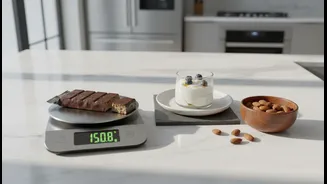
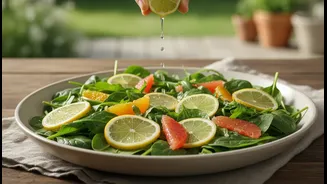
Instead of completely separating these nutrients, you can use simple strategies to ensure you're getting the most out of your food. One of the most effective methods is to pair your non-heme iron sources with Vitamin C. Foods like oranges, lemons, tomatoes, and bell peppers can dramatically boost iron absorption, effectively counteracting the negative effect of calcium. A squeeze of lemon over your dal or a tomato-based curry can make a real difference. Another strategy is timing. If you take calcium or iron supplements, it is best to space them out. Experts recommend waiting at least two to four hours between taking an iron supplement and consuming a calcium-rich meal or supplement. For meals, you could simply aim to have your glass of milk or bowl of yogurt as a snack between meals, rather than with your main iron-rich dish. For most people, focusing on a diverse diet that includes plenty of iron and Vitamin C sources is enough.