


More Than Just a Taste of Home
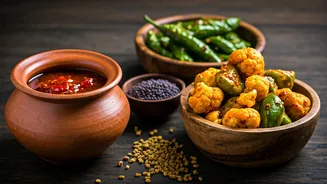
For generations, fermentation was simply a way of life in India. It was a practical method of preserving seasonal produce, enhancing flavour, and making certain foods more digestible. The tangy kick of a mango pickle, the sour comfort of dahi, and the airy
texture of an idli weren't just delicious; they were by-products of a natural, slow-moving process governed by microbes. Today, this age-old practice is being viewed through a new lens. What was once seen as rustic and traditional is now being celebrated as a sophisticated wellness trend. The resurgence isn't just about nostalgia; it's a conscious return to foods that are perceived as natural, wholesome, and beneficial for our bodies in a world saturated with processed options.
The Science of Good Gut Feelings
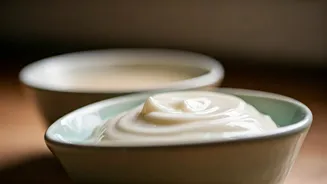
So, what exactly is the magic behind fermentation? In simple terms, it's a process where microorganisms like bacteria and yeast break down sugars into other compounds, like acids, gases, or alcohol. When we talk about fermented foods for health, we're primarily interested in the ones that contain live, beneficial bacteria known as probiotics. Think of your gut as a bustling city populated by trillions of microbes. Probiotics are the 'good citizens' that help maintain order. They can aid digestion, support the immune system, and help produce essential vitamins. The dahi that your grandmother set every night was a thriving colony of these helpful bacteria. Modern science is now validating what traditional food systems seemed to know intuitively: a healthy gut is foundational to overall well-being.
Beyond Dahi and Dosa Batter
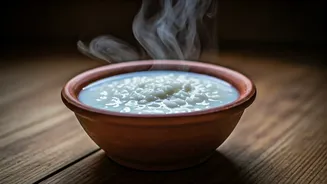
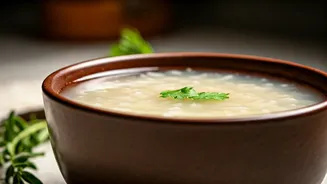
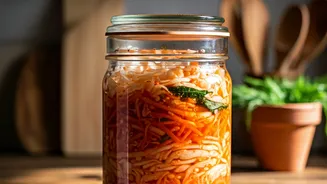
While dahi and idli/dosa batter are the most famous examples, India’s fermentation traditions are incredibly diverse. In the north, winter brings 'gajar ki kanji', a deep purple, pungent drink made from black carrots, mustard seeds, and water, fermented for several days under the sun. It's a classic digestive aid. Head to the Northeast, and you'll find 'gundruk', fermented and sun-dried leafy greens, which add a powerful, savoury depth to soups and curries. In parts of the South, rice is fermented to make 'pazhaya sadam' or 'panta bhat' in the East—a humble but nutrient-dense breakfast for farmers. These dishes highlight the ingenuity of our ancestors in creating flavourful, gut-friendly foods using local ingredients and natural processes.
The Modern Fermentation Revival
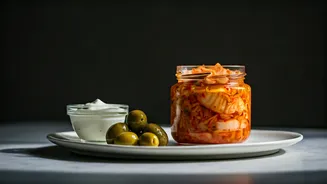
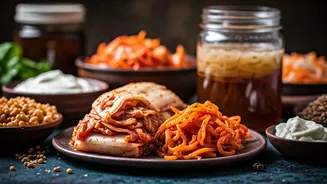
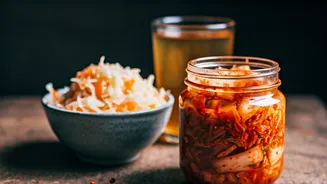
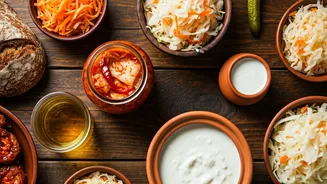
This renewed interest is visible everywhere. Urban home cooks are experimenting with making their own kombucha and sourdough bread. Artisanal brands are selling small-batch pickles and sauerkrauts, emphasizing their probiotic content. Chefs at high-end restaurants are incorporating fermented elements like miso and black garlic to add complex flavours to their dishes. Social media is filled with tutorials on how to make everything from kimchi to kefir at home. This movement is part of a larger shift towards slow, mindful consumption. People are looking for a deeper connection to their food—they want to know where it comes from, how it's made, and how it benefits them. Fermentation fits perfectly into this narrative of empowerment and self-sufficiency in the kitchen.
A Note on Mindful Consumption
While the benefits are exciting, it’s important to approach the trend with balance. Not all fermented foods are created equal. Commercially produced pickles, for instance, are often high in salt and may be pasteurised, which kills the beneficial bacteria. Even homemade versions should be consumed in moderation. Furthermore, while probiotics are generally beneficial, a sudden, drastic increase in fermented food intake can sometimes cause digestive discomfort for those not used to them. The key is to start slow and listen to your body. Think of these foods not as a magic cure-all, but as a valuable and delicious addition to a balanced, diverse diet.