


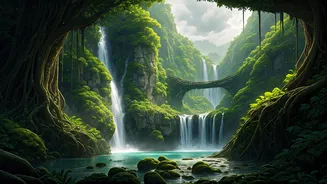


Periyar National Park, Kerala
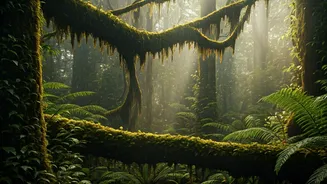
While many national parks shut down for the monsoon, Periyar in Kerala remains open and offers a truly unique experience. The rain washes the landscape clean, leaving behind a sea of deep greens and a fresh, earthy scent. The park, centered around a sprawling
artificial lake, is best explored by boat. During the monsoon, the water levels are high, allowing you to glide silently past the shoreline where wildlife congregates. Spotting a herd of elephants bathing in the rain, with calves playfully splashing about, is a sight you won't forget. The cooler weather also means animals are more active during the day. Besides elephants, you might see sambar deer, gaur (Indian bison), and a dazzling array of birdlife, including kingfishers and hornbills, who are particularly vibrant this time of year.
Valley of Flowers National Park, Uttarakhand
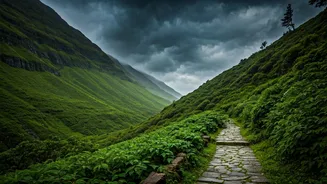
This UNESCO World Heritage Site is, quite literally, a monsoon destination. The valley is only open from June to October, and its beauty peaks between July and August when the rains carpet its high-altitude meadows with over 300 species of alpine flowers. The trek to the valley is as breathtaking as the destination itself, taking you through dense forests, past gushing rivers and waterfalls. The star of the show is the sea of blossoms—blue poppies, cobra lilies, and countless others—creating a vibrant mosaic against the backdrop of snow-capped Himalayan peaks. The mist and clouds that roll through the valley during the monsoon add a layer of mystique, making the entire experience feel otherworldly. It’s a trekker’s paradise, but be prepared for rainy conditions and pack accordingly.
Jim Corbett National Park (Jhirna & Sitabani Zones), Uttarakhand
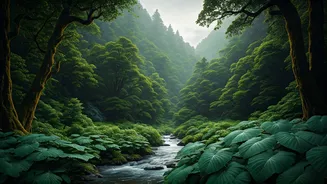
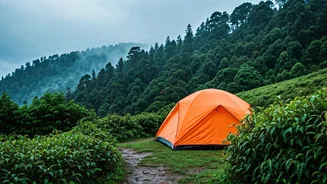
While the core zones of India's oldest national park close during the monsoon, the adventure doesn't stop. The Jhirna and Sitabani buffer zones of Jim Corbett remain open year-round, offering a different but equally compelling jungle safari experience. The forest, dense and washed green by the rains, feels more mysterious and alive. The lack of dust makes for clearer sightings, and the Kosi River, which flows alongside the park, swells into a powerful, roaring force. This is a fantastic time for birdwatching, as the monsoon is the breeding season for many resident species. While tiger sightings can be a matter of luck due to the thick vegetation, the thrill of tracking pugmarks in the wet mud is an experience in itself. You can still expect to see deer, wild boar, and perhaps even a tusker enjoying the cool weather.
Tadoba Andhari Tiger Reserve (Buffer Zones), Maharashtra
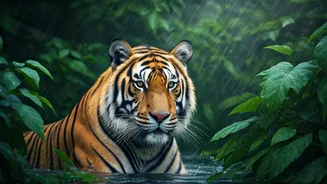
Tadoba is famous for its high tiger density, and while its core areas are closed, the buffer zones offer excellent safari opportunities even in the monsoon. The landscape transforms dramatically, with the dry, dusty plains of summer giving way to lush grasslands and full waterholes. The monsoon can be a surprisingly good time for wildlife viewing. The rain coaxes out creatures like frogs, snakes, and insects, which in turn attract predators. The buffer zones around Tadoba's lakes, such as Moharli, are hotspots for activity. You can see herds of spotted deer and sambar grazing on the fresh grass, while marsh crocodiles patrol the waters. And yes, tiger sightings are still very much possible as they often use the safari tracks to avoid the dense, waterlogged undergrowth.
Bhandardara, Maharashtra
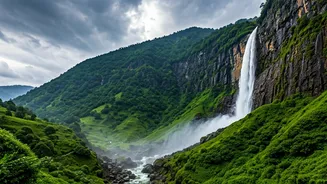
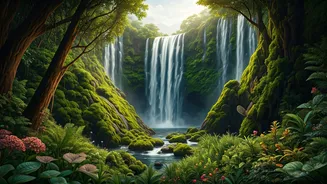
Not a traditional national park, but a protected region in the Sahyadri mountain range that becomes a wildlife and nature lover's dream during the monsoon. Bhandardara is famed for its spectacular waterfalls, which are at their most powerful during this season. The Wilson Dam overflows, creating the majestic Umbrella Falls, and the Randha Falls plunge dramatically into the gorge below. The entire area is a canvas of a thousand shades of green. It's a prime destination for trekking to historic forts like Ratangad and Harishchandragad, with trails that wind through blooming wildflowers and cloud-kissed peaks. Keep an eye out for diverse birdlife and smaller mammals. The region is a testament to how the monsoon completely redefines the Western Ghats, making it an unmissable wild escape close to Mumbai and Pune.