


More Than Just a Room with a View
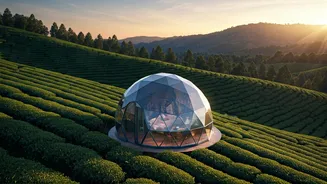
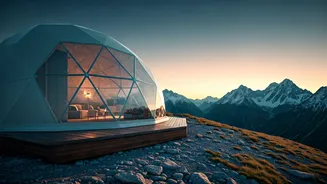
Forget the traditional mountain lodge or sprawling resort. The latest trend in high-end travel involves minimalist, yet incredibly sophisticated, geodesic domes. These structures, composed of a network of interlocking triangles, are popping up in some
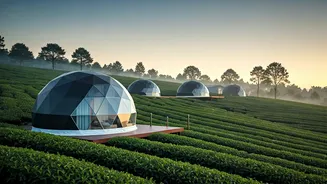
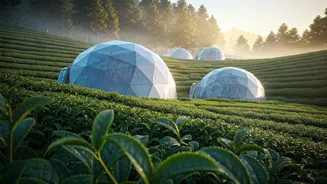
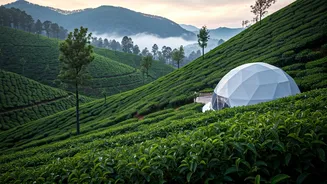
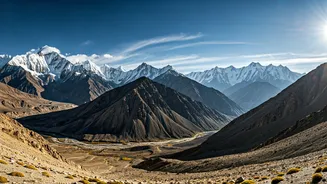
of the world's most remote and beautiful locations, from the Himalayas in Ladakh to the Chilean Andes. Their design, originally popularised by architect Buckminster Fuller, is not just visually striking; it’s inherently strong, spacious, and energy-efficient, capable of withstanding harsh mountain weather while offering inhabitants a near-360-degree view of their surroundings. Inside, these domes are anything but rustic. They offer the comforts of a five-star hotel room—plush bedding, ensuite bathrooms, and heating—while being completely immersed in nature.
The New Language of Luxury
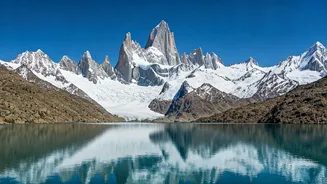
The rise of the geodesic dome signals a fundamental shift in what modern travellers consider 'luxury.' For a growing number of people, opulence is no longer defined by gold taps and formal dining rooms. Instead, the new luxury is about experience, exclusivity, and connection. It’s the richness of waking up to an uninterrupted view of a glacial lake, the privacy of being one of only a handful of guests in a vast wilderness, and the thrill of being close to nature without sacrificing comfort. These domes deliver on this new promise. They provide an intimate and direct connection to the environment that a conventional building with small windows simply cannot match. This framework values immersion over isolation, and unique experiences over generic extravagance.
A Basecamp for Modern Adventurers
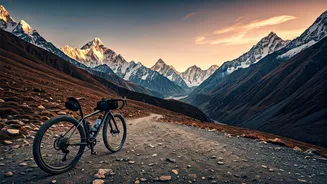
These are not destinations for passive sightseeing. Geodesic dome camps are strategically placed in adventure hotspots, serving as luxurious basecamps for a range of activities. In places like Himachal Pradesh and Ladakh, they act as starting points for high-altitude treks, mountaineering expeditions, and mountain biking. In the European Alps, they might be hubs for backcountry skiing and snowshoeing. The concept is simple: spend the day pushing your physical limits in the great outdoors, and return in the evening not to a cramped tent, but to a warm, comfortable, and stylish sanctuary. This blend of rugged adventure and refined comfort allows travellers to engage more deeply with their environment, knowing a hot shower and a cosy bed await them. It’s the perfect synthesis of adrenaline and relaxation.
Sustainability at Altitude
Perhaps one of the most compelling aspects of this trend is its alignment with sustainable travel principles. Building traditional hotels in fragile, high-altitude ecosystems is often destructive and resource-intensive. Geodesic domes offer a lower-impact alternative. Their prefabricated nature means less on-site construction disturbance. The structures themselves are lightweight and can often be erected on raised platforms, preserving the ground beneath. Many dome camps are designed to be off-grid, relying on solar panels for power and employing sophisticated systems for waste and water management. This eco-conscious approach appeals to travellers who want to experience pristine nature without contributing to its degradation. It’s a form of tourism that attempts to respect its stunning setting, making the luxury feel less guilty and more meaningful.