



The Predictable Unpredictability of Monsoon Travel
The monsoon season, typically lasting from June to September, brings much-needed rain but also significant travel challenges across India. Heavy rainfall can lead to widespread disruptions that affect flights, trains, and roads, often with little warning.
For instance, in early July 2026, intense rains in Mumbai led to flight diversions, delays, and cancellations as runway operations were temporarily suspended. Similar events saw over 40 train services affected on Western Railway lines and landslides blocking major routes like the Mumbai-Pune railway line. These disruptions aren't confined to one city; hill states like Uttarakhand and Himachal Pradesh face frequent landslides and road blockades, while other regions see flash floods. A clear road in the morning can become impassable by evening, and a scheduled flight can be grounded for hours, creating a domino effect on your entire trip.
Why a Buffer Day Is Your Best Friend
A rigid, back-to-back itinerary is the first casualty of a monsoon downpour. Travel experts consistently advise building buffer time into any monsoon travel plan. A single two-hour flight delay can cause you to miss a connecting train, a pre-booked tour, or the first day of a family event. Instead of planning to land just hours before an important meeting or a wedding, arriving a day early provides a crucial cushion. This is especially important for multi-leg journeys. A recommended buffer between connecting flights during the monsoon is at least three to four hours. For road trips, particularly in hilly areas, avoid driving at night when rain and fog reduce visibility and increase the risk of encountering falling debris. Leaving gaps in your schedule isn't wasted time; it’s an insurance policy against stress.
Strategic Booking: Your First Line of Defence
Flexibility starts at the booking stage. When possible, opt for flexible or 'flexi' fares for flights and hotels, which allow you to change dates without incurring hefty penalties. Airlines like Air India offer fare families that provide varying degrees of flexibility, with some allowing changes at no cost. It's also wise to book morning flights, as monsoon thunderstorms and heavy showers tend to build up in the afternoon and evening. Early departures are less likely to be affected by the cascading delays that accumulate throughout the day. When booking accommodation, especially in remote or hilly areas, check for flexible cancellation policies. It’s also prudent to inquire about the property’s accessibility during heavy rain, backup power supply, and whether they can provide updates on local road conditions.
Packing Smart and Staying Informed
Your packing list and the apps on your phone are key tools for a smooth monsoon journey. Pack lightweight, quick-drying synthetic clothes, a reliable raincoat, and waterproof footwear. Keep essentials like medications, a change of clothes, a power bank, and chargers in your cabin bag in case your checked luggage is delayed or you face an unexpected overnight stay at an airport. Before and during your trip, stay updated with reliable weather apps from sources like the India Meteorological Department (IMD). Check not just your destination's forecast but the weather along your entire route. Airline and railway apps can provide real-time updates on delays and cancellations, allowing you to react quickly and adjust your plans.
Embracing the Journey, Rain and All
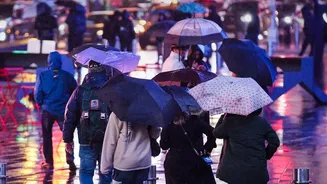
Ultimately, travelling during the monsoon requires a shift in mindset. Instead of fighting the weather, the goal is to work with it. Delays and changes are not just possible; they are part of the experience. Plan for downtime by having backup indoor activities, like visiting a museum, exploring a local market, or trying a cooking class. A rain-soaked afternoon can be an opportunity to relax in a café and watch the city adapt to the downpour. By choosing destinations wisely, avoiding areas under red or orange alerts, and maintaining a flexible schedule, you can minimise risks and stress. A delayed trip is always better than a risky one. The patience required for monsoon travel often rewards you with lush landscapes, fewer crowds, and a more intimate look at local life.