



The New Indian Homebuyer
The demand for premium housing is not a fleeting trend but a structural shift driven by powerful economic and social changes. A primary factor is rising affluence and a growing class of high-net-worth individuals. This demographic, coupled with a significant
number of Non-Resident Indians (NRIs) investing back home, has created a robust market for higher-priced properties. Furthermore, the widespread adoption of hybrid and remote work post-pandemic has fundamentally altered what people need from their homes. A residence is no longer just a place to rest but also an office, a school, and a sanctuary, leading buyers to prioritize larger, more functional spaces. This quest for a better quality of life means buyers are willing to pay a premium for properties that deliver on comfort, wellness, and exclusivity.
Redefining Luxury: More Than Just Four Walls
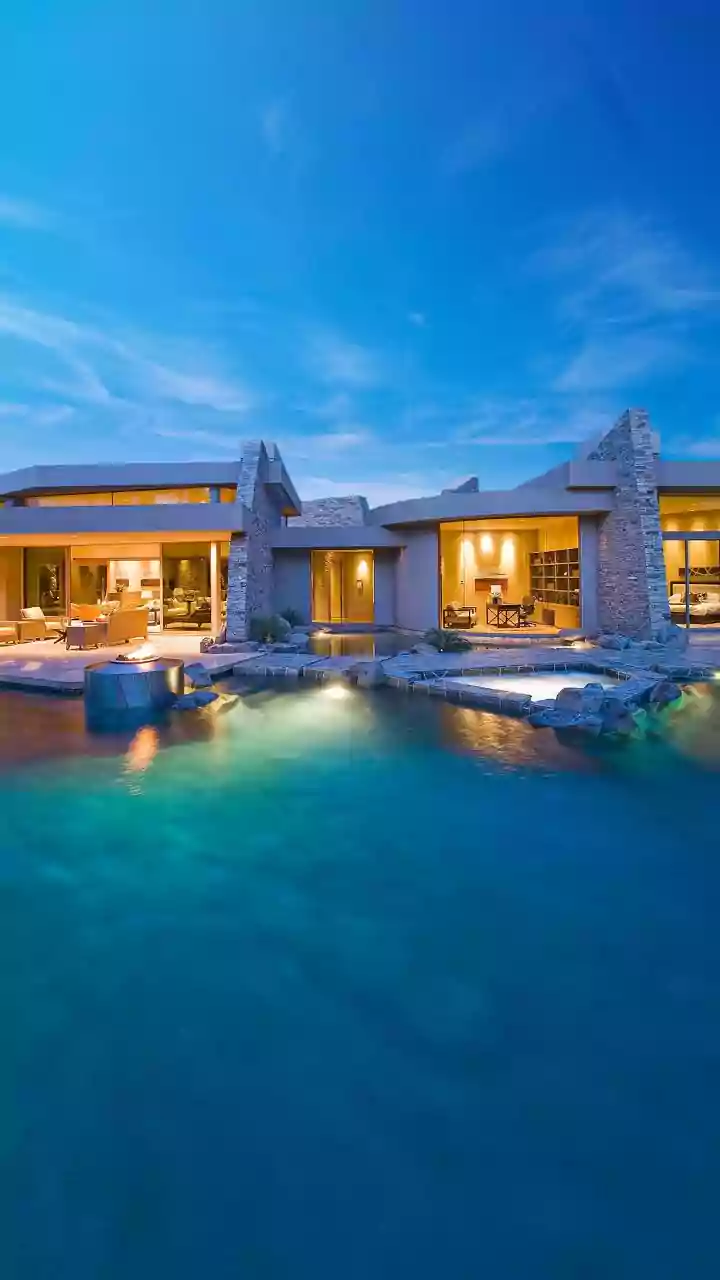
The definition of 'luxury' itself has evolved. While spacious layouts, high ceilings, and prime locations are still important, the new premium home is an experiential asset. Wellness is now a cornerstone, with developers embedding features that promote a healthier lifestyle. This includes everything from air purification systems and meditation zones to landscaped gardens, jogging tracks, and even organic gardens. Technology is another key pillar. Smart home automation for controlling lighting, climate, and security is now a standard expectation in the luxury segment. The emphasis has moved from mere aesthetics to creating a holistic living environment that offers convenience, security, and a sense of retreat from the urban grind.
The Developer's Blueprint for Premium Living
In response to this sophisticated demand, developers are moving away from a one-size-fits-all approach. Their strategy is twofold: enhancing the product and elevating the experience. On the product front, projects now boast resort-style amenities that were once unthinkable. Think in-house spas, private mini-theatres, rooftop infinity pools, golf simulators, and exclusive clubhouses. Some are even collaborating with international architects and luxury brands to create branded residences that promise a global standard of living. The experience is managed through services like professional concierge desks, valet parking, and multi-tiered security systems. Economically, this shift also makes sense for developers who are facing rising land and construction costs, which makes building in the premium segment more profitable than in the squeezed affordable housing market.
Beyond the Metros: A Nationwide Trend
Perhaps one of the most significant aspects of this premiumisation wave is that it is not confined to Tier-1 cities like Mumbai and Delhi-NCR. Aspirational buyers in Tier-2 and Tier-3 cities are also seeking upgraded lifestyles, and developers are taking notice. Cities like Lucknow, Mohali, Coimbatore, and Indore are emerging as new hotspots for luxury real estate. This growth is fueled by improved infrastructure, the expansion of local economies, and the desire for a better work-life balance away from the congestion of major metros. In these cities, luxury is often more affordable, allowing buyers to get more space and better amenities for their money, making it an attractive proposition for both end-users and investors.