






The Unifying Principles of Vrat
Across the board, Navratri fasting, or 'vrat', follows a set of common rules designed to cleanse the body and mind. These principles create a foundation for a sattvic diet, which is considered pure and calming. Generally, this means avoiding grains like
wheat and rice, lentils, onions, garlic, and regular table salt. Instead, devotees turn to specific alternative ingredients. The most common salt used is 'sendha namak' or rock salt, which is considered purer as it is unprocessed. This shared framework of what to avoid is the starting point from which incredible regional creativity blossoms.
North India: The Classic Fasting Feast
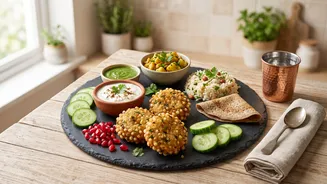
In North India, the Navratri thali is a hearty and familiar affair. This region relies on robust, energy-giving ingredients to sustain fasters. Flours like 'kuttu ka atta' (buckwheat flour) and 'singhare ka atta' (water chestnut flour) are staples, used to make pooris, parathas, and cheelas. These are often paired with a simple 'vratwale aloo ki sabzi' (a potato curry without onion or garlic). Barnyard millet, known as 'sama ke chawal', replaces rice and is used to make khichdi or pulao. Dairy products like paneer and yogurt play a significant role, providing protein and richness. The overall plate is flavourful, filling, and deeply rooted in tradition.
West India: The Sabudana Stronghold
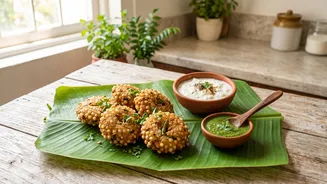
Travel to Maharashtra and Gujarat, and you'll find Navratri fasting dominated by a single, beloved ingredient: sabudana (tapioca pearls). Sabudana khichdi, studded with peanuts, is the undisputed star, providing a perfect balance of carbohydrates and energy. Other popular 'farali' (fasting) dishes include sabudana vada (crispy tapioca fritters), farali pattice, and dhokla made from barnyard millet. Flours like 'rajgira' (amaranth) are used to make pooris and theplas. The Western Indian thali is known for its clever textures and a delightful sweet and savoury balance, showcasing the region's innovative approach to fasting food.
South India: A Different Form of Devotion
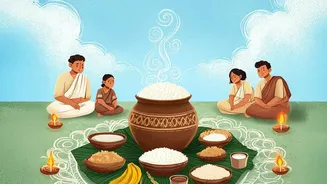
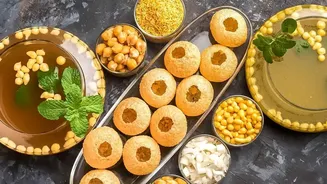
In Southern states like Tamil Nadu, Karnataka, and Andhra Pradesh, the approach to Navratri food is distinctly different. The emphasis is less on a strict grain-free fast and more on celebrating with specific festive dishes offered as 'prasadam'. A highlight is 'sundal', a simple and nutritious dish made from various legumes like chickpeas or peanuts, tempered with coconut and spices. While many in the North would avoid legumes, here they are central to the celebration. Sweets like 'payasam' (kheer) and dishes like lemon rice are also prepared. The focus is on fresh, sattvic preparations offered to guests who visit homes to see the 'Golu' doll displays.
East India: Feasting for the Goddess
In West Bengal and other Eastern states, Navratri coincides with Durga Puja, the region's biggest festival. Here, the concept of fasting is largely replaced by feasting. For Bengalis, Durga Puja celebrates the homecoming of the Goddess, and joy is expressed through community, culture, and food. The festival is a time of indulgence, and non-vegetarian dishes, especially fish and mutton, are an integral part of the celebration. While some individuals may choose to observe a fast, the wider cultural practice is to prepare elaborate meals as a form of celebration, a stark and fascinating contrast to the fasting norms elsewhere.
So, Why the Difference?
The variation in Navratri plates is a direct reflection of India's diverse agricultural landscape and regional cultures. The ingredients used in the North, like buckwheat and water chestnuts, are local pseudo-grains. The abundance of coconuts in the South makes them a key part of their festive cuisine. In the West, the culinary tradition of 'farali' food is deeply ingrained. Furthermore, religious interpretations differ. While North and West India focus on abstinence and detoxification during the seasonal shift, the East views it as a time for celebratory feasting. The South, with its 'Golu' tradition, uses food as a medium for social bonding and offerings. Each plate tells a story of local produce, climate, and a unique cultural expression of devotion.