




Why Following a Tiny Symbol Matters
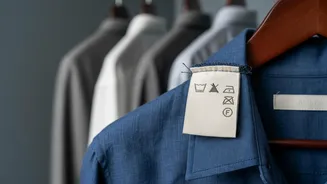
Those small icons on your garment’s care tag are part of an international system designed to help you care for your clothes properly. Following the ironing instructions is crucial for extending the life of your garments and keeping them looking their
best. The wrong temperature can cause irreversible damage, from scorching and melting synthetic fibres to creating a permanent, unwanted shine on dark fabrics. These universal symbols, typically pictograms of an old-fashioned iron, provide a clear, language-free guide to the heat level a fabric can safely tolerate. Understanding them removes the guesswork and protects your wardrobe investment.
One Dot: Low Heat for Delicates
An iron symbol with a single dot inside signifies that the garment requires a low temperature setting. This is generally around 110°C (230°F). This setting is reserved for the most delicate and heat-sensitive materials. Fabrics like acetate, acrylic, nylon, silk, and some synthetics fall into this category. For these materials, it's often recommended to iron on the reverse side to prevent shine or damage. Some labels for these fabrics might also include a crossed-out steam symbol, indicating that you should iron without steam to avoid water spots or weakening the fibres.
Two Dots: Medium Heat for Synthetics and Wool
When you see an iron with two dots, it's a signal to use a medium heat setting, typically around 150°C (302°F). This temperature is suitable for a wide range of fabrics that are more robust than delicates but can't handle high heat. This group includes many synthetics, polyester, rayon, and wool. When ironing wool, it's often wise to use a pressing cloth—a separate piece of fabric placed between the iron and the garment—to prevent direct contact that could flatten or damage the natural fibres. For polyester, ironing on the reverse side can help avoid creating a shiny finish.
Three Dots: High Heat for Cotton and Linen
The iron symbol with three dots is your green light for high heat. This setting corresponds to a maximum temperature of about 200°C (392°F). It is intended for durable, natural fibres that can withstand significant heat and are prone to stubborn wrinkles. The most common fabrics in this category are cotton and linen. For these materials, using steam is often recommended to help loosen the fibres and effectively remove creases. Ironing cotton and linen while they are still slightly damp can also produce the best, crispest results.
The Cross: When Not to Iron at All
An iron symbol with a large 'X' crossed through it is the most straightforward instruction of all: do not iron the garment. Attempting to iron an item with this symbol can lead to melting, warping, or other severe damage to the fabric. This symbol is common on materials with special finishes, delicate embellishments like beads, or fabrics that are extremely sensitive to heat. In some cases, a label might show a regular iron symbol but have an 'X' only through the steam lines coming from the bottom. This means you can iron the garment, but without using the steam function.