



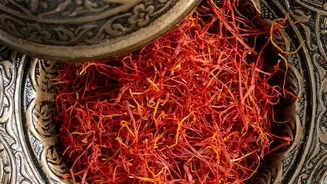
First, Awaken the Saffron
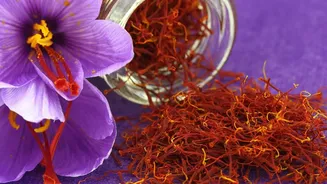
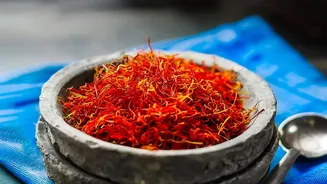
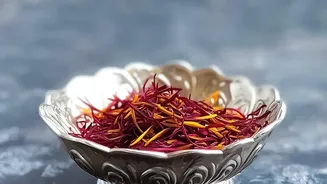
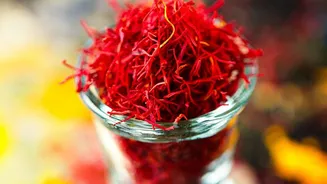
Before saffron can transform a dish, you must 'bloom' it. Dropping the dry threads directly into a hot pan wastes much of their precious flavour and colour, which remain locked inside. The process is simple: gently crush a generous pinch of saffron threads with
your fingers or a mortar and pestle. Steep the crushed threads in two to three tablespoons of warm—not boiling—liquid for at least 15 to 20 minutes. The liquid should be warm to the touch, not simmering, as boiling water can destroy saffron's delicate aromatic compounds. This infusion draws out the colour (crocin), taste (picrocrocin), and aroma (safranal), ensuring they distribute evenly throughout your dish.
Choosing Your Blooming Liquid
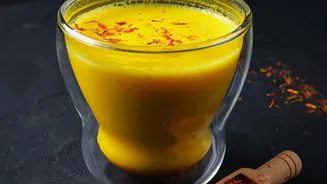
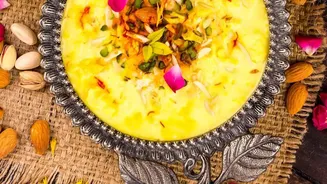
The liquid you choose depends on your recipe. For rice dishes like biryani and pulao, warm water or a light broth is ideal. For desserts and sweets like kheer, rabri, or shrikhand, warm milk is the traditional choice. The fat in milk helps carry saffron’s aroma, creating a richer flavour profile. For savoury sauces or marinades, you can also use stock or even yogurt. Once bloomed, add the entire infusion—liquid and threads—to your recipe towards the end of cooking to preserve its full character.
Perfect Sweet Pairings
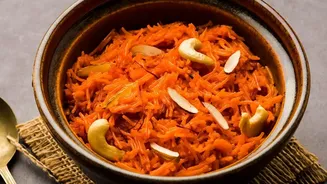
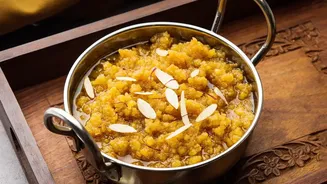
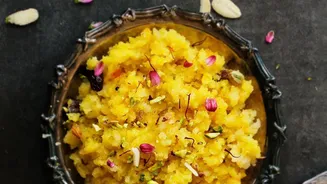
Saffron’s floral, honey-like notes shine in Indian desserts. It has a natural affinity for dairy, which is why it's a star in milk-based sweets like kheer, phirni, rasmalai, and kulfi. Its best spice friends are cardamom and rosewater, a classic trio in Indian and Persian sweets. Nuts, especially almonds and pistachios, provide a rich, earthy base that complements saffron’s fragrance and adds texture. Think of a creamy Kesar Pista Kulfi or a delicate Shrikhand infused with saffron and cardamom. For a modern twist, try it in a saffron milk cake or a saffron-infused vanilla custard.
Classic Savoury Pairings
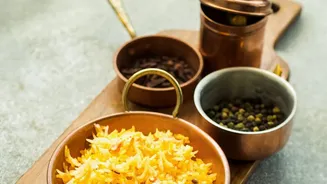
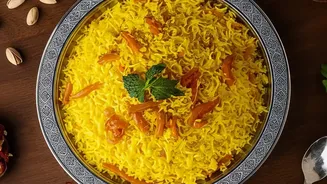
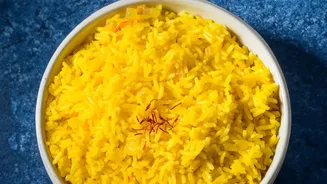
In the world of savoury Indian food, saffron is synonymous with rice. Basmati rice is the perfect neutral canvas for saffron's colour and aroma, making it essential for celebratory dishes like biryani and pulao. Beyond rice, saffron pairs beautifully with chicken and lamb, readily infusing into marinades made with yogurt, garlic, and other mild spices. It also elevates seafood, adding a touch of luxury to dishes with white fish, prawns, or mussels. When pairing with other spices, think complementary, not competitive. Turmeric can boost its golden colour, but use it sparingly. Cumin, coriander, and bay leaf support saffron's hay-like notes without overpowering them.
Unexpected Savoury Uses
Don't limit saffron to just rice and traditional curries. Its subtle warmth can bring a new dimension to a variety of dishes. Try stirring bloomed saffron into scrambled eggs or an omelet for a special weekend brunch. A saffron-infused yogurt sauce, perhaps with mint and lemon, is an excellent accompaniment for kebabs or grilled vegetables. You can also add it to creamy sauces for pasta or a simple root vegetable roast. Even a simple tomato-based stew or a lentil soup can be transformed with a pinch of this golden spice, giving it a surprising depth and aromatic finish.