


The Myth of Perfect Memory
In the kitchen, memory can be a treacherous ally. You might believe you can recall the exact pinch of salt or the precise moment you pulled a tray of cookies from the oven, but our minds are not perfect recording devices. Professional chefs and bakers
don't rely on memory alone; they rely on systems. They know that consistency comes from controlling variables, and the first step is knowing your baseline. Relying on feel is great, but relying on documented results is better. Recording the outcome of each batch—especially its texture—transforms cooking from a game of chance into a science. It allows you to build on your successes and learn accurately from your failures, ensuring that a perfect dish isn't a lucky accident but a replicable achievement.
Your Kitchen Logbook: What to Note
Starting a kitchen journal doesn't have to be complicated. A simple notebook or a notes app on your phone is all you need. The goal is to capture the details that influence the final product. Beyond the list of ingredients and their weights, pay close attention to sensory details. How did the final product feel? Was it crispy, chewy, soft, dense, or crumbly? Note the colour, the aroma, and the consistency of the batter or dough before it was cooked. Also, record crucial process details: the temperature of your ingredients (like room-temperature vs. cold butter), mixing times, resting or proofing times, and the final baking time and oven temperature. These details provide the context needed to understand why a dish turned out the way it did. Over time, this log becomes your personal, invaluable culinary database.
The Science of Small, Smart Adjustments
Once you have a record of your last batch, including its final texture, you have a powerful baseline for making adjustments. The golden rule of recipe development is to change only one variable at a time. If your last batch of biscuits was too dense, resist the urge to change the flour, the butter, and the baking time all at once. If you do, you'll never know which change made the difference. Instead, make a single, calculated tweak. For instance, you might decide to reduce the flour by a small amount while keeping everything else identical. Record this change, then bake the new batch and, most importantly, record its final texture. Was it lighter? If so, you’ve confirmed your hypothesis. This systematic approach is the fastest way to master a recipe and understand how different ingredients and techniques truly affect the outcome.
Perfecting the Staples of the Indian Kitchen
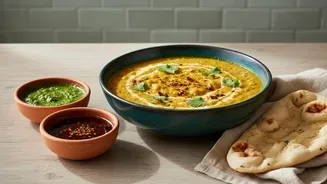
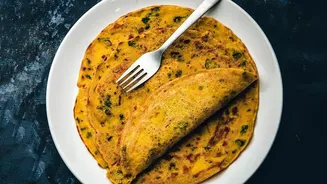
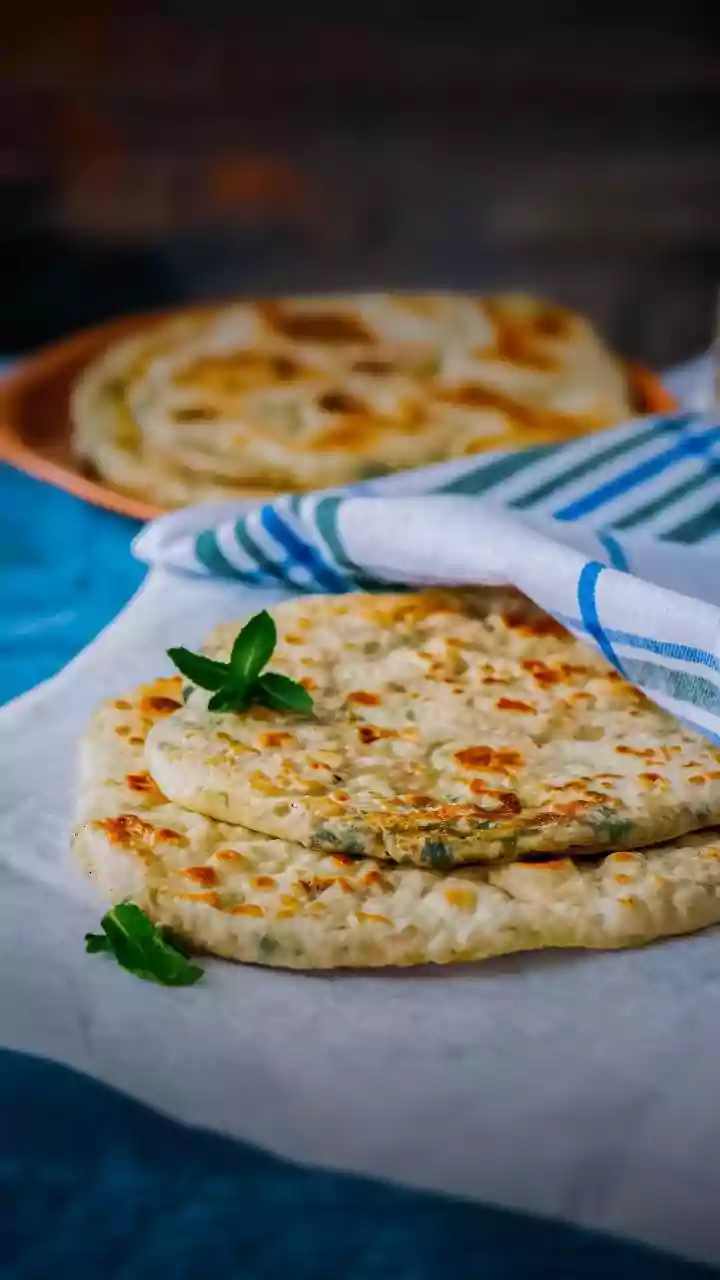
This principle is just as relevant for traditional Indian cooking as it is for baking. Think about the pursuit of the perfect dosa. The texture of the batter—its thickness, its aeration after fermentation—is everything. By noting the ratio of rice to dal, the soaking time, and the fermentation time in your specific climate, you can start to zero in on the exact process that yields the crisp, airy dosas you love. The same applies to making soft, pliable rotis or a dal with the ideal creamy consistency. Did you simmer it for 20 minutes or 30? Was the tadka added when the oil was shimmering or smoking? Recording these observations helps you understand the nuances of texture in your everyday cooking, allowing you to consistently recreate family favourites and perfect your signature dishes.