






The Post-Monsoon Skin Puzzle
As the rains recede, the weather enters a tricky transitional phase. The air is no longer constantly damp, but humidity levels often remain high, especially during the day. This creates a challenging environment for your skin. The combination of moisture
in the air and sweat can make your skin feel sticky and congested. Your sebaceous glands, which produce oil, can go into overdrive in this warm, moist air. The result is a complexion that feels greasy, looks shiny, and becomes a perfect breeding ground for breakouts and clogged pores. This is why a skincare routine that worked perfectly in the dry summer or the peak of the monsoon might suddenly stop working.
Why Heavy Pastes Can Suffocate Skin
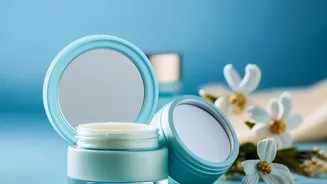
Heavy skincare products, such as thick creams, pastes, and balms, are often rich in occlusive ingredients like petrolatum or heavy butters. Occlusives work by forming a protective barrier on the skin's surface to prevent moisture from evaporating. While this is a lifesaver in dry, cold winters, it can be a disaster in post-monsoon humidity. This heavy barrier doesn't just lock in moisture; it also traps everything else underneath it—sweat, excess oil, and dirt. Instead of letting your skin breathe, it creates a suffocating film. This can lead to clogged pores, an increase in blackheads, tiny bumps, and inflammatory acne. If your skin feels congested or more prone to breakouts than usual, that heavy 'nourishing' cream may be the cause.
The Magic of Lightweight Layers
The solution isn't to skip moisturiser altogether, a common mistake that can actually make oily skin worse. Dehydrated skin sometimes overproduces oil to compensate for the lack of water. The key is to switch to lightweight formulas. Think gels, lotions, emulsions, and serums. These products are typically rich in humectants—ingredients that attract and bind water to the skin. Unlike occlusives, they deliver hydration without the heavy, greasy feel. They are absorbed quickly and allow the skin to breathe, which is crucial in humid weather. This helps maintain the skin's moisture balance, keeping it plump and hydrated without contributing to congestion. In high humidity, your skin doesn't need a heavy seal because the air itself helps reduce water loss.
What to Look for on the Label
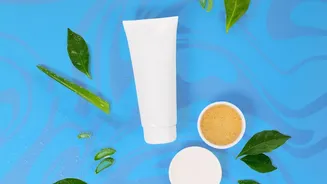
Navigating product labels is easier than it seems. For this season, seek out products described as 'gel-cream', 'lotion', 'fluid', or 'emulsion'. Also, look for the terms 'oil-free' and 'non-comedogenic', which means the product is formulated so as not to clog pores. When it comes to ingredients, humectants are your best friends. Look for hyaluronic acid and glycerin high on the ingredients list. These are superstars at pulling moisture into the skin. Niacinamide is another excellent ingredient for this weather, as it helps regulate oil production and improve the skin's barrier function. Aloe vera and chamomile can also be beneficial for calming any irritation caused by the heat and sweat.
Making the Switch Seamlessly
Transitioning your routine doesn't require a complete overhaul. Start by swapping out your heaviest product, which is usually your moisturiser. Replace your thick cream with a gel-based or lightweight lotion formula for both day and night. You might also consider switching to a gentler, foaming cleanser that effectively removes sweat and oil without stripping your skin's natural moisture barrier. If you use heavy, oil-based serums, consider pausing them or switching to a water-based hydrating serum instead. The goal is to listen to your skin. If it feels tight, it needs more hydration. If it feels greasy and congested, it's time to lighten up your layers.