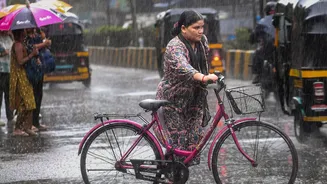









Understanding the IMD's Orange Alert
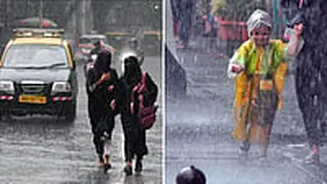
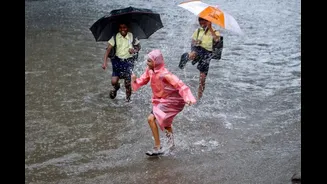
After a delay of nearly two weeks, the monsoon arrived in Mumbai with force, prompting the IMD to issue an 'Orange' alert for the city and its neighbouring districts like Thane and Palghar. [4, 19] This alert signifies a forecast of heavy to very heavy rainfall,
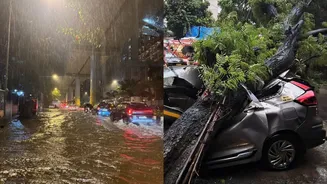
thunderstorms, and strong gusty winds. [17, 18] On June 24, some parts of the city recorded over 200-300 mm of rainfall within a 24-hour period, a clear indicator of the monsoon's intensity. [7, 13, 14] This isn't just a spell of showers; it's a period where residents should expect significant weather-related disruptions, including waterlogging and transport delays. [13, 17] The IMD's warnings are a direct call to residents to stay updated and exercise caution, as these conditions are expected to persist. [18]
Your Home and Family: A Preparedness Checklist
Preparing your home is the first line of defence. Start by checking for and repairing any leaks in your roof or walls to prevent seepage. Secure loose items on balconies or terraces, such as potted plants and furniture, as strong winds can turn them into dangerous projectiles. It's crucial to assemble an emergency kit containing essentials like a torch, batteries, a first-aid box, dry food items, and drinking water. Protect your electronic devices and important documents by storing them in waterproof bags or containers and elevating them off the floor. Also, ensure your drains at home and in your immediate vicinity are clear of debris to help prevent localised flooding. The Brihanmumbai Municipal Corporation (BMC) has advised all citizens to follow official advisories to ensure safety during the heavy downpours. [6, 18]
Navigating the Daily Commute
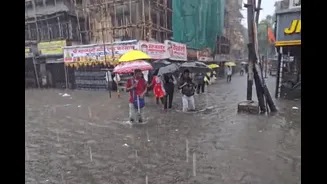
Commuting in Mumbai during heavy rain is a significant challenge. The initial downpour has already caused widespread waterlogging in notorious low-lying areas like the Andheri subway, Hindmata, Sion, and King's Circle, leading to traffic diversions and standstills. [7, 13, 23] Train services, particularly on the Central Railway's Trans-Harbour line, have also faced disruptions due to waterlogging and soil erosion under tracks. [14, 15] Before stepping out, always check the status of local trains and BEST bus routes, which are often diverted. [7] Plan for longer travel times and, if possible, have alternative routes in mind. Avoid driving or wading through heavily waterlogged streets, as there is a risk of submerged potholes and open manholes. If you rely on app-based taxis, expect surge pricing and longer wait times.
Civic Preparations and Your Role
In anticipation of the monsoon, the BMC has undertaken several preparatory measures. The civic body has identified around 500 waterlogging-prone spots and deployed nearly 550 dewatering pumps across the city to flush out floodwater. [3, 8] Desilting of major drains and the Mithi River is an ongoing priority to increase their water-holding capacity. [8] However, the intensity of the initial spells has already tested this infrastructure. [9] As a resident, you can contribute by not littering, which clogs drains and exacerbates waterlogging. Reporting major waterlogging or fallen trees to the BMC's disaster management cell can help expedite response. Staying informed through official channels like the BMC and Mumbai Police's social media handles is also crucial for receiving timely updates on high tides and other weather-related warnings. [6]
Monsoon Health and Safety
The monsoon season brings a heightened risk of water-borne and vector-borne diseases like leptospirosis, dengue, malaria, and gastroenteritis. To safeguard your health, it is advisable to drink only boiled or filtered water. Avoid eating street food, especially items that may have been exposed to contaminated water. Ensure there is no stagnant water in or around your home—in flowerpots, air cooler trays, or discarded containers—as these become breeding grounds for mosquitoes. If you must wade through floodwaters, clean your feet and legs thoroughly with soap and water as soon as possible. In case of fever or any other symptoms, it's essential to seek medical advice promptly rather than self-medicating.