




From Visits to Habitation
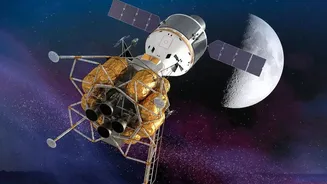
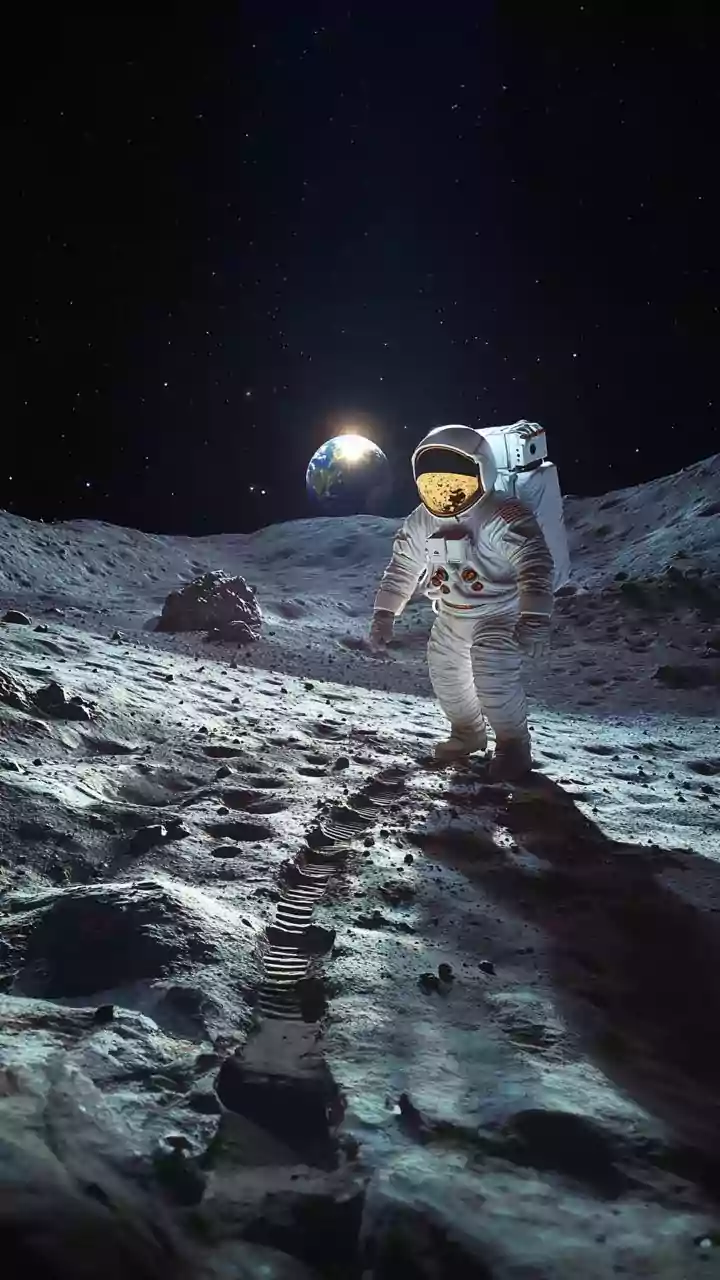
The Apollo missions were historic sprints, proving humanity could reach the Moon. The Artemis program has a different goal: running a marathon. Instead of brief excursions, NASA is planning for a sustained human presence, complete with a 'Moon Base' that
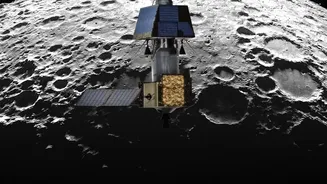
can support astronauts for long durations. But before building habitats, we need to understand the environment in minute detail. That's where the Payloads and Research Investigations on the Surface of the Moon (PRISM) program comes in. In late September 2026, NASA announced its latest payload selections, a trio of scientific suites designed to scout resources, map potential shelters, and assess the hazards of living on the lunar surface. These aren't just abstract science experiments; they are the reconnaissance missions needed to ensure astronaut survival.
Scouting for Shelter in Lava Tubes
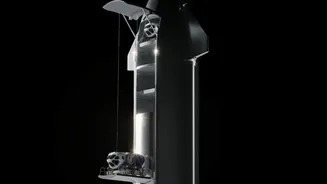
One of the most exciting investigations will explore a feature called the Marius Hills Pit. Scientists believe this large hole could be a 'skylight' into a vast, underground lava tube. Such a cave would be a game-changer for a Moon base. It could provide natural, ready-made protection from the Moon's brutal environment, including extreme temperature swings, intense radiation, and meteorite impacts. The Geophysical Instruments for Marius Lunar pit Investigation (GIMLI) payload will use ground-penetrating radar and other sensors to determine if the pit is connected to a subterranean cavern. If a stable, accessible lava tube is confirmed, it could become a prime location for a future lunar settlement, offering a safe haven that no surface habitat could match.
The Hunt for Lunar Water
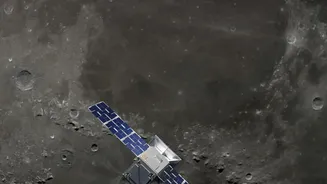
Water is the most valuable resource in space. Transporting it from Earth is incredibly expensive, so finding it on the Moon is a top priority for long-term missions. The Depth Imager with Spectral and Color Optics (DISCO) payload is designed to do just that. It will search for ice hidden in 'micro-cold traps'—small, permanently shadowed craters where temperatures are low enough for ice to survive for billions of years. DISCO will provide the first direct, on-the-ground measurements of this ice, helping scientists understand where it is and how much is available. This data is crucial for developing technologies to extract and convert lunar ice into drinking water, breathable air, and even rocket propellant, which are foundational steps for making a Moon base self-sufficient.
A Weather Station for a World Without Weather
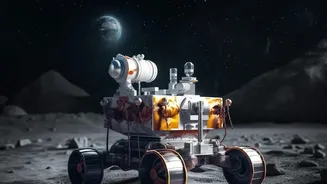
While the Moon has no weather in the earthly sense, its surface is far from benign. To keep astronauts and equipment safe, NASA needs to understand the local hazards. The Lunar Environment Monitoring Station–South Pole (LEMS-SP) will act as an autonomous monitoring station. Deployed near the lunar South Pole, this instrument suite will track falling micrometeoroids and measure seismic activity to build a detailed picture of the region's environmental risks. It will also monitor volatile materials—gases that drift across the lunar surface—to help complete the resource map. This is the practical, boots-on-the-ground science needed to design durable habitats and plan safe surface operations for future crews.
The Business of Getting There
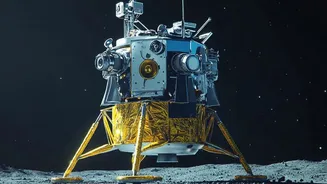
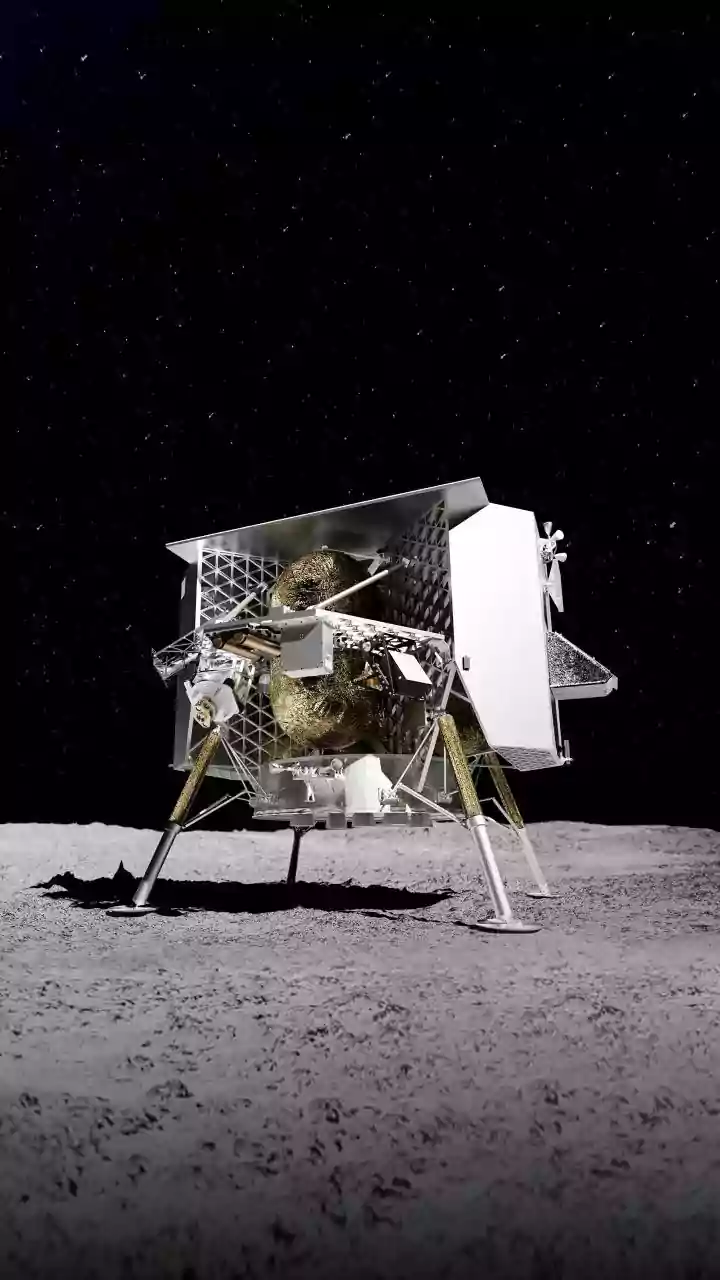
These investigations won't fly on massive, Apollo-style NASA rockets. Instead, they will be delivered to the lunar surface by private companies through the Commercial Lunar Payload Services (CLPS) initiative. This program allows NASA to essentially buy a ticket to the Moon for its scientific payloads, fostering a commercial space economy while achieving its own exploration goals. Companies like Astrobotic, Intuitive Machines, and Firefly Aerospace are building the landers that will carry these instruments. This model outsources the delivery service, allowing NASA to focus on the science that will enable its Artemis astronauts to one day live and work on the Moon.