





An Oasis in the Concrete Jungle
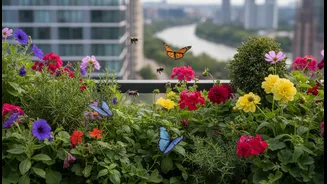
In our ever-expanding cities, natural habitats have become broken into small, isolated patches. This 'habitat fragmentation' makes it difficult for wildlife like bees, butterflies, and birds to find food and shelter. Your balcony, however small, can act
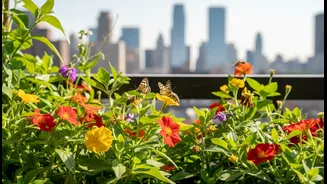
as a crucial 'stepping stone'. When linked with other green balconies and terraces, it forms a wildlife corridor, allowing these species to move safely across the urban landscape. Studies have shown that even small-scale urban gardens significantly boost local biodiversity, providing refuge and resources where they are otherwise scarce. By curating a small green space, you are not just decorating; you are actively participating in ecological restoration.
Choose Plants That Pull Double Duty
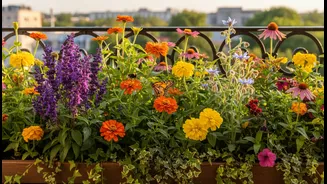
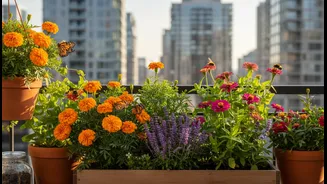
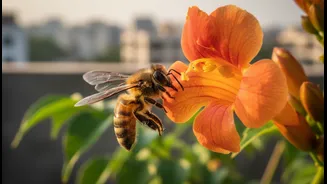
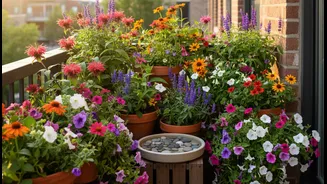
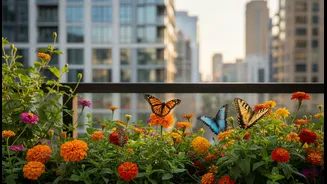
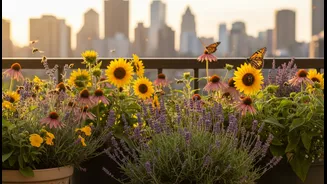
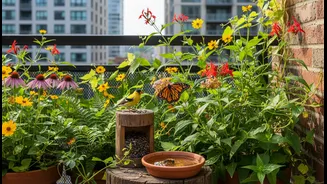
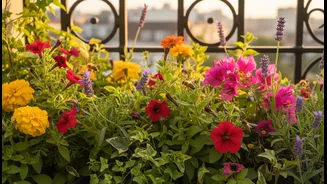
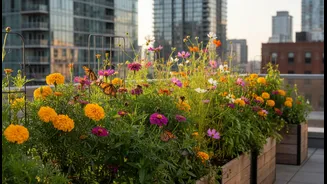
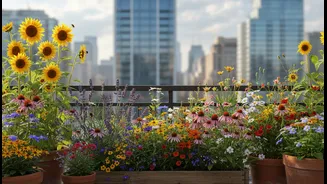
The foundation of any nature-friendly balcony is the right selection of plants. To do 'big nature work', think beyond just aesthetics. The goal is to provide food and shelter. Focus on native plants that are adapted to the Indian climate and support local wildlife. Brightly coloured flowers like Marigolds are easy to grow and their nectar attracts a host of bees and butterflies. The Butterfly Pea vine grows quickly on railings and provides both beautiful coverage and edible flowers. Herbs such as Tulsi, Lavender, and Mint are also excellent choices; their flowers are irresistible to pollinators. By choosing plants that bloom at different times, you can provide a continuous food source throughout the year.
Create a Complete Habitat
A true habitat offers more than just food. To elevate your balcony from a simple garden to a functional ecosystem, consider adding two key elements: water and shelter. A shallow dish of water with pebbles or stones placed in it can be a lifesaver for thirsty bees and birds. The pebbles give them a safe place to land and drink without the risk of drowning. Shelter is equally important. Pollinators and other insects need protection from wind and predators. You can create this by clustering pots together, allowing some dense foliage to grow, or even adding a small, commercial 'bee hotel' to provide nesting spots for solitary bees.
Go Chemical-Free for Nature's Sake
One of the most impactful decisions you can make is to avoid chemical pesticides and herbicides. These products are indiscriminate, harming the beneficial insects you are trying to attract along with the pests. A healthy, diverse garden is often its own best defence. Attracting beneficial insects like ladybugs can help control pest populations naturally. Opt for organic solutions like neem oil spray or companion planting if you encounter pest problems. Going organic ensures your balcony is a safe haven, not a hazard, for the delicate creatures that visit. Remember, a few nibbled leaves are a small price to pay for a thriving, living ecosystem.
The Power of the Collective
One pollinator-friendly balcony is a wonderful start. But a neighbourhood of them can create a real, measurable impact. These individual green spots connect to form a larger network, supporting greater genetic diversity and more resilient wildlife populations. They can help reduce the urban heat island effect, improve local air quality, and enhance the well-being of residents. Your effort inspires others, creating a ripple effect that transforms sterile urban environments into greener, more vibrant communities. Every pot of flowers, every water dish, and every pesticide-free plant contributes to this larger, life-sustaining web.