




The Foundation: Airflow and Cleaning
Before adding fragrance, the first step is always to remove bad odours at their source. Stale air is a primary culprit for musty smells. Whenever the weather permits, open your windows and doors for at least 15-20 minutes a day to allow for cross-ventilation.
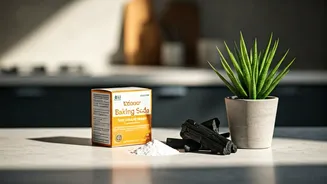
[16, 28] This simple act flushes out trapped smells and pollutants. Regular cleaning is also non-negotiable. [28] Dust, mould, and grime all contribute to unpleasant aromas. Pay attention to fabrics, which are notorious for trapping smells. Regularly wash curtains, throws, and cushion covers. Vacuuming carpets and rugs frequently is crucial; for an added deodorising boost, sprinkle baking soda on your carpets, let it sit for about 15-30 minutes, and then vacuum it up. [6, 29] This naturally absorbs lingering odours. [6, 29]
The Kitchen: Battling Cooking Odours
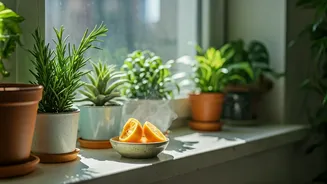
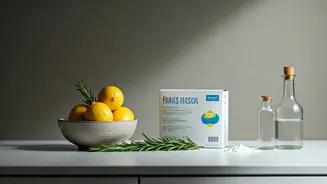
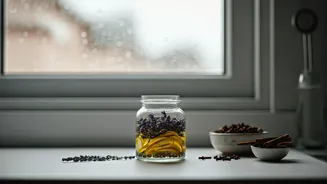
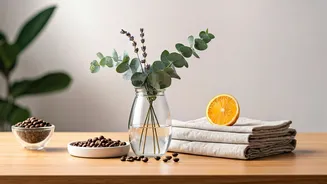
The kitchen is the heart of the home, but it's also a hub for strong smells from cooking, whether it's fried fish or pungent spices. To combat this, start by cleaning surfaces immediately after cooking. [14] A daily wipe of countertops and the stovetop prevents grease and food smells from building up. [12] For persistent airborne odours, simmer a pot of water on the stove with natural aromatics. [21, 24] A classic combination is a few slices of lemon, a sprig of rosemary, and a dash of vanilla. [21] Orange peels with cinnamon sticks and cloves also work wonderfully to create a warm, inviting scent while neutralising other smells. [6, 26] Another trick is to place a small bowl of white vinegar or fresh coffee grounds on the counter overnight; both are excellent natural odour absorbers. [14, 26]
The Bathroom: Banishing Dampness and Stale Smells
Moisture is the main enemy in the bathroom, leading to musty smells from mould and mildew. [1] Good ventilation is key. Always use the exhaust fan during and after a shower, or keep a window slightly ajar to let steam escape. [1, 19] To tackle drains, which can emit a sulphur-like smell, pour half a cup of baking soda followed by half a cup of white vinegar down the drain once a month. Let it fizz for 15 minutes before flushing with hot water. [13, 14] For a continuous fresh scent, place a few drops of a pleasant essential oil, like eucalyptus or lemon, on the cardboard tube of your toilet paper roll. [8] Each time it's used, a subtle fragrance will be released. You can also place an open bowl of baking soda on a shelf to absorb odours naturally. [11, 13]
Living and Bedrooms: A Sanctuary of Scent
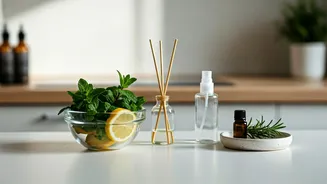
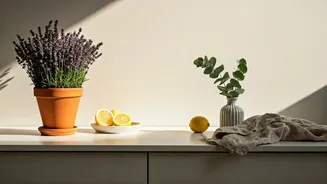
These are the spaces where you relax and unwind, so the fragrance should be calming and consistent. An essential oil diffuser is an excellent way to maintain a steady, subtle aroma. [9] Lavender and chamomile are perfect for the bedroom to promote relaxation, while citrus or sandalwood can create a welcoming vibe in the living room. [22] If you don't have a diffuser, you can place a few cotton balls scented with essential oils in discreet corners, inside drawers, or in closets. [27, 29] For a quick refresh before guests arrive, a DIY room spray is perfect. Simply mix water, a splash of vodka or rubbing alcohol (which helps the oil and water mix), and about 20 drops of your favourite essential oil in a spray bottle. [11, 18, 20] Lightly mist it on curtains and cushions for a lasting effect.
Closets and Small Spaces: Fighting Mustiness
Closets often suffer from poor airflow, which can leave clothes smelling stale. [3, 4] The first rule is to never put away damp or dirty clothes. [4] To keep things fresh, use natural deodorisers. Cedar blocks or lavender sachets are classic choices that also help deter pests. [4] You can also place a small, open box of baking soda or a pouch of activated charcoal on a shelf to absorb moisture and odours. [2, 4] Both need to be replaced every few months to remain effective. [4] For an easy DIY solution, create your own fragrance sachets by filling small cloth bags with uncooked rice and a few drops of essential oil. [20] Tuck them into drawers or hang them between clothes.