




What Are Complete Proteins?
Protein is made up of building blocks called amino acids. There are twenty different types, but nine of them are considered 'essential' because our bodies cannot produce them. We must get these nine essential amino acids from our diet. A food source that
contains all nine in the correct proportions is called a 'complete protein'. While animal products like meat, eggs, and dairy are naturally complete, most plant-based foods are considered 'incomplete' because they are low in one or more of these essential amino acids. But this isn't a problem. It simply means a varied diet is key to ensuring your body gets all the building blocks it needs for muscle repair, immune function, and overall health.
The Power of Pairing: A Perfect Match
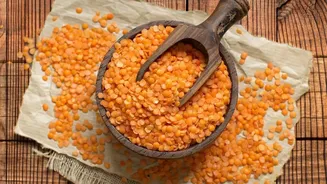
The strategy for creating complete proteins from plants is called 'protein complementation'. Different plant food groups have different amino acid strengths and weaknesses. For instance, legumes like lentils (dal), chickpeas (chana), and kidney beans (rajma) are rich in the essential amino acid lysine but are typically low in another called methionine. Grains such as rice and wheat, on the other hand, are low in lysine but have plenty of methionine. When you eat them together, their amino acid profiles complement each other, filling in the gaps. This combination provides your body with all nine essential amino acids, effectively creating a complete protein. This principle is the foundation of many traditional meals across India and the world, from dal and rice to hummus and pita.
Lentils and Rice: The Classic Combo
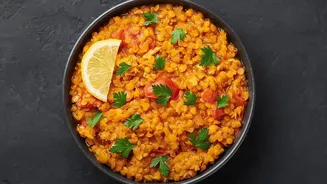
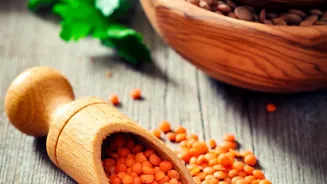
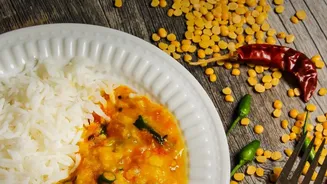
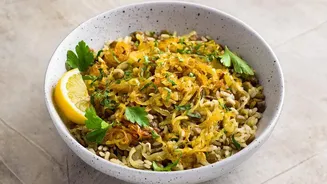
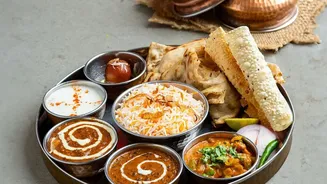
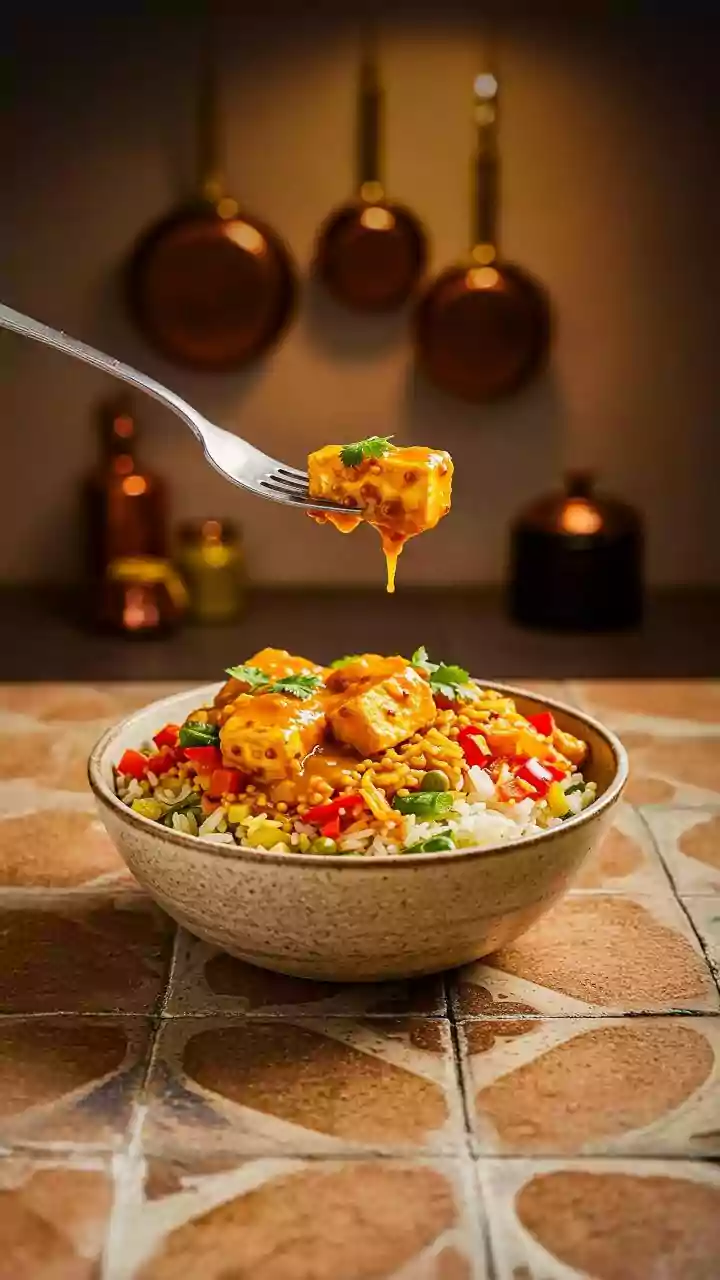
The combination of lentils and rice is a perfect, real-world example of protein pairing. Lentils are a nutritional powerhouse, packed with protein and fibre, but they fall just short on their own because they are low in the sulfur-containing amino acids methionine and cysteine. Rice handily fills this gap. In return, lentils provide the lysine that rice lacks. This synergy turns a simple, comforting meal into a high-quality protein source ideal for post-workout recovery and muscle maintenance. Whether it's a bowl of classic dal chawal, a hearty khichdi, or a South Indian dosa with sambar, you are consuming a complete protein that fuels your fitness goals.
Supercharging Meals with Seeds
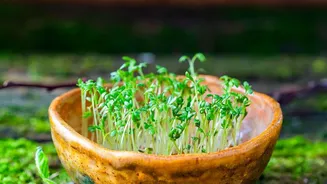
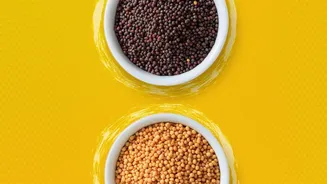
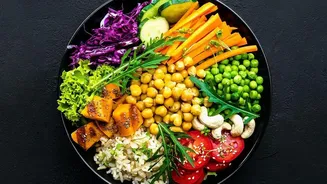
To further enhance the protein quality and nutritional value of your meals, look no further than seeds. Adding seeds like chia, flax, pumpkin, or sunflower is an easy way to boost your intake of protein, healthy fats, and other micronutrients. For example, sprinkling sunflower seeds or sesame seeds (tahini) onto a lentil dish can help round out its amino acid profile. Chia and hemp seeds are particularly noteworthy; some consider them to be complete proteins on their own, and they are also rich in fibre and omega-3 fatty acids. You can add a tablespoon to your morning smoothie, oatmeal, or even mix them into roti dough for an effortless nutritional upgrade.
Do You Need to Combine at Every Meal?
For years, a popular myth suggested that vegetarians needed to meticulously combine complementary proteins within the same meal to get any benefit. However, modern nutrition science has debunked this. Your body maintains a pool of amino acids, drawing from it as needed. This means that as long as you consume a variety of plant protein sources—legumes, grains, nuts, and seeds—throughout the day, your body can combine the amino acids to create the complete proteins it requires. So, if you have roti for lunch and a bowl of dal for dinner, you've still given your body what it needs. The focus should be on overall dietary variety rather than stressing over every single plate.
More Power Pairings for Fitness
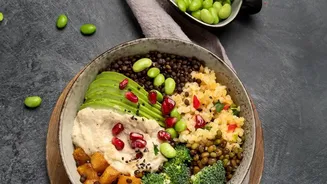
The principle of combining lentils, rice, and seeds extends to many other delicious and fitness-friendly meals. Many staples of the Indian diet are naturally designed for complete protein intake. Consider options like rajma with roti or rice, where kidney beans are paired with a grain. Chickpea curry (chana masala) served with a side of quinoa is another excellent pairing, as quinoa is one of the few plant foods that is a complete protein on its own. Even a simple peanut butter sandwich on whole wheat bread leverages this concept, combining a legume (peanuts) with a grain (wheat) to fuel your body effectively.