



1. You Only Pay the Minimum Due on Credit Cards
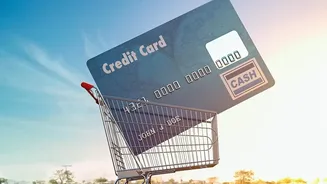
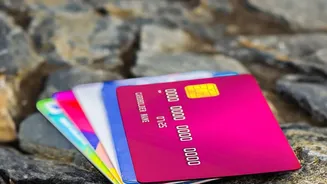
Paying the minimum amount on your credit card bill keeps your account in good standing and helps you avoid late fees, but it's a classic sign of financial distress. When you only pay the minimum, a large portion of that payment goes toward interest, barely
making a dent in the principal amount you actually owe. This creates a revolving door of debt; your balance hardly decreases, while interest continues to accumulate, sometimes at annual rates of 36% or higher. If this becomes a habit for more than a couple of months, you are effectively paying a premium to stay in debt, and it can take years, even decades, to clear a balance that seems manageable today.
2. You Use Credit for Everyday Essentials
Credit cards are meant for convenience, not as a substitute for income. If you find yourself swiping your card for groceries, fuel, or utility bills because your bank account is empty after paying other EMIs, it’s a major red flag. This behaviour indicates that your regular expenses now exceed your income, and you're using high-interest debt to cover the shortfall. Think of it this way: if you wouldn't take out a formal loan to pay for this month's food, you shouldn't be putting it on a credit card without a plan to pay it off in full. This habit creates a dangerous cycle where last month's expenses are still being paid off while new ones pile on top.
3. You Borrow New Debt to Pay Old Debt
This is often called debt shuffling or juggling. It might look like taking a cash advance from one credit card to pay another, getting a small personal loan to cover an EMI payment, or borrowing from friends to prevent a cheque from bouncing. While it might feel like a clever short-term fix, it’s a sign that your debt has become unmanageable. You are not actually reducing your debt; you are just moving it around, often to a loan with even higher interest or stricter terms. This strategy is unsustainable and typically precedes a more serious financial crisis, as you can only keep the plates spinning for so long before one inevitably falls.
4. You Have No Idea What You Actually Owe
If someone asked you for the total amount of your outstanding loans and credit card balances, could you give a confident answer? If you have to pause, guess, or avoid the question, it's a sign that your debts have become too numerous or complex to track easily. This lack of clarity isn't about being irresponsible; it's a natural consequence of having debt spread across multiple cards, personal loans, and BNPL services. When you lose visibility of your total obligations, you lose control. It becomes impossible to create a realistic repayment plan, and you are more likely to be surprised by payments and due dates, leading to further stress and potential defaults.
5. You Feel Stressed and Secretive About Money
The most serious warning signs are not always financial; they are emotional. If you dread opening your mail, avoid phone calls from unknown numbers, or feel a spike of anxiety when you think about your bank balance, your debt is likely taking a toll on your mental health. This stress often leads to secrecy. You might start hiding purchases from your spouse or family because you feel ashamed or know you can't afford them. This avoidance and secrecy prevents you from seeking help and allows the problem to grow in the dark. Acknowledging the stress is the first step toward confronting the financial reality head-on.