
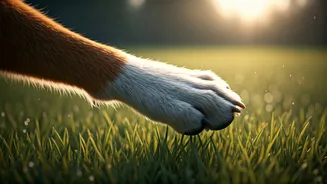


Why Paw Care Is Paramount
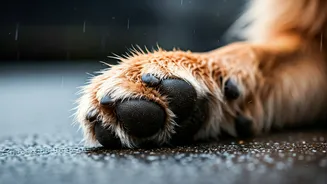
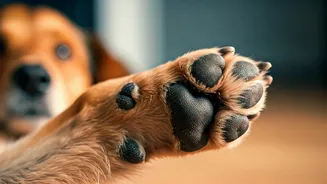
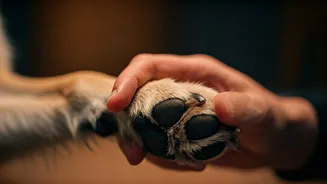
While we protect ourselves with raincoats and boots, our furry companions brave the elements barefoot. Their paws are their first point of contact with wet, dirty streets, making them ground zero for a host of rainy-season problems. Paw pads, though tough,
are porous and can absorb moisture, chemicals, and bacteria from puddles. The constant dampness between their toes creates the perfect warm, humid environment for fungal and bacterial infections to flourish. A small, unnoticed cut from a sharp pebble can quickly become infected in these conditions. Issues like pododermatitis (inflammation of the paws) are incredibly common during this season, causing discomfort, pain, and a trip to the vet. By focusing on the feet first, you’re tackling the biggest monsoon health risk head-on.
The Post-Walk Cleaning Ritual
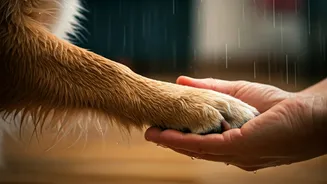
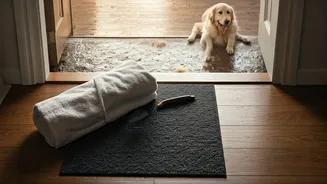
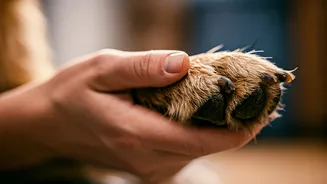
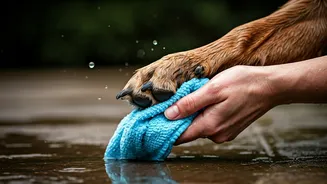
Every single walk, no matter how short, should end with a dedicated paw-cleaning session. Don't think of it as a chore, but as a crucial health check. The goal is to remove mud, grime, and potential irritants. For most routine walks, lukewarm water is sufficient. Keep a basin and a soft towel near the door. Gently wash each paw, making sure to get between the toes and around the nails. For particularly muddy days, you can use a mild, pet-friendly antiseptic solution diluted in water. A popular choice is a weak chlorhexidine or povidone-iodine solution (consult your vet for the correct dilution). Avoid using human soaps, Dettol, or harsh detergents, as these can strip natural oils and cause severe skin irritation. The key is to be gentle but thorough. Use this time to inspect the paws for any cuts, thorns, or ticks that might have hitched a ride.
Drying: The Most Overlooked Step
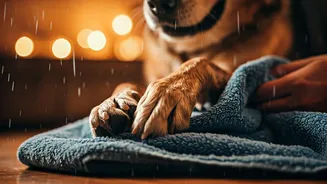
Cleaning is only half the battle; proper drying is just as important, if not more so. A half-dried paw remains a breeding ground for yeast and fungi. After washing, pat the paws dry with a clean, absorbent towel. Pay special attention to the areas between the digits, where moisture loves to hide. For long-haired breeds, you might need to gently use a hairdryer on a low-heat, low-speed setting to ensure the area is completely dry. Rushing this step is the most common mistake owners make, often leading to the very infections they were trying to prevent. A dry paw is a healthy paw.
Watch for These Warning Signs
Our pets can't tell us when something is wrong, but they show us through their behaviour. Be vigilant for early signs of a paw infection. The most obvious symptom is excessive licking or chewing of the paws. Your dog might suddenly become obsessed with their feet. Other signs to watch for include: - Redness or swelling, particularly between the toes. - A foul or yeasty odour coming from the paws. - Limping or reluctance to walk. - Sores, blisters, or discharge on the paw pads or surrounding skin. If you notice any of these symptoms, don't try to treat them with home remedies. It's time to consult your veterinarian to get an accurate diagnosis and the right course of treatment.
Beyond the Paws: Overall Monsoon Wellness
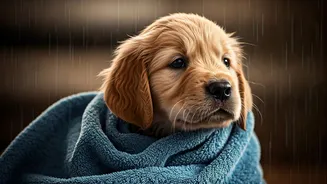
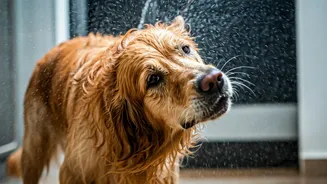
While feet are the focus, overall hygiene is essential. A wet coat can lead to skin infections and hotspots. If your pet gets soaked, towel-dry them thoroughly and consider a quick blow-dry. Ensure their bedding is always clean and dry, as a damp bed is another haven for germs. The increased humidity can also lead to a surge in fleas and ticks, so stay up-to-date with your pet’s parasite prevention schedule. Keep their ears clean and dry, as the moisture can also cause ear infections. A little preventative care across the board goes a long way in ensuring a comfortable and illness-free monsoon for your best friend.