







The Golden Rules of Buying Big
The allure of a lower price per unit is strong, but a successful bulk buy is one that prevents waste, not just saves money. Before you head to a warehouse club, take stock. First, assess your storage. Do you have adequate, cool, dark, and dry space in
your pantry, or freezer room for what you plan to buy? Overcrowded spaces can lead to items getting lost and expiring. Second, be honest about your consumption. A giant jar of mayonnaise is no bargain if you only use it occasionally and it spoils. Stick to items your household consumes regularly and in large quantities. Finally, always check the unit price. While often cheaper, bulk items are not automatically the better deal, especially when a regular grocery store has a sale. A quick calculation on your phone can confirm if the bulk purchase is truly the most economical choice.
Your Strategic Shopping List
Not all items are created equal in the bulk aisle. The best candidates have a long shelf life and are versatile in the kitchen. Pantry staples like rice, dried pasta, oats, and dried beans are excellent choices. Dried beans and lentils, for instance, can last for about a year and are packed with nutrients. Grains like wheat berries, if stored properly, can last even longer. In the freezer aisle, look for frozen fruits and vegetables, which can last up to a year and prevent the waste common with fresh produce. Meats like beef and poultry also freeze beautifully, and buying larger cuts or family packs can lead to significant savings. Even butter can be bought in bulk and frozen for up to a year. Nuts in their shells last longer than shelled varieties, making them a smart buy if you have the patience to crack them.
Mastering Bulk Food Storage
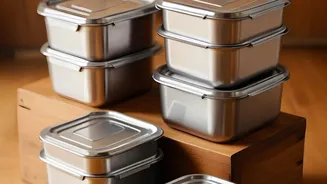
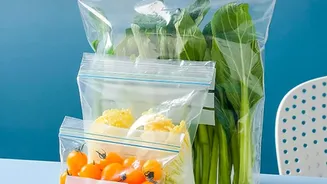
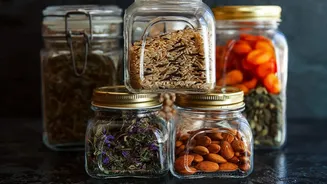
Bringing home your haul is only half the battle; proper storage is crucial to protect your investment. The main enemies of stored food are air, light, moisture, and heat. For dry goods like flour, rice, and beans, transfer them from their original bags into airtight containers. Clear, stackable bins or large glass jars are excellent because they allow you to see what you have at a glance and keep pests out. Labelling containers with the item and purchase date helps you practice the 'first-in, first-out' (FIFO) method, ensuring older stock gets used first. For items stored in the freezer, such as meat or batch-cooked meals, use freezer-safe bags or containers and remove as much air as possible to prevent freezer burn. Consider portioning items before freezing for easier use later.
From Pantry to Plate: The Meal Plan Connection
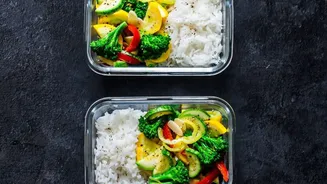
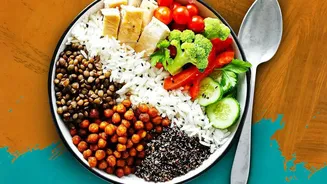
A well-stocked pantry is the foundation of effortless meal planning. With staples on hand, you can build your weekly menu around what you already own, requiring only a few fresh ingredients from the store. This practice, known as batch cooking or component prepping, saves immense time and stress. For example, a large bag of rice can be the base for stir-fries, burrito bowls, and side dishes throughout the week. Cooking a large batch of dried beans can provide protein for salads, soups, and tacos. By planning meals that use your bulk ingredients, you ensure they are consumed well before they expire and justify their purchase. This transforms your bulk buys from a simple cost-saving measure into a dynamic system that simplifies your daily cooking routine.