



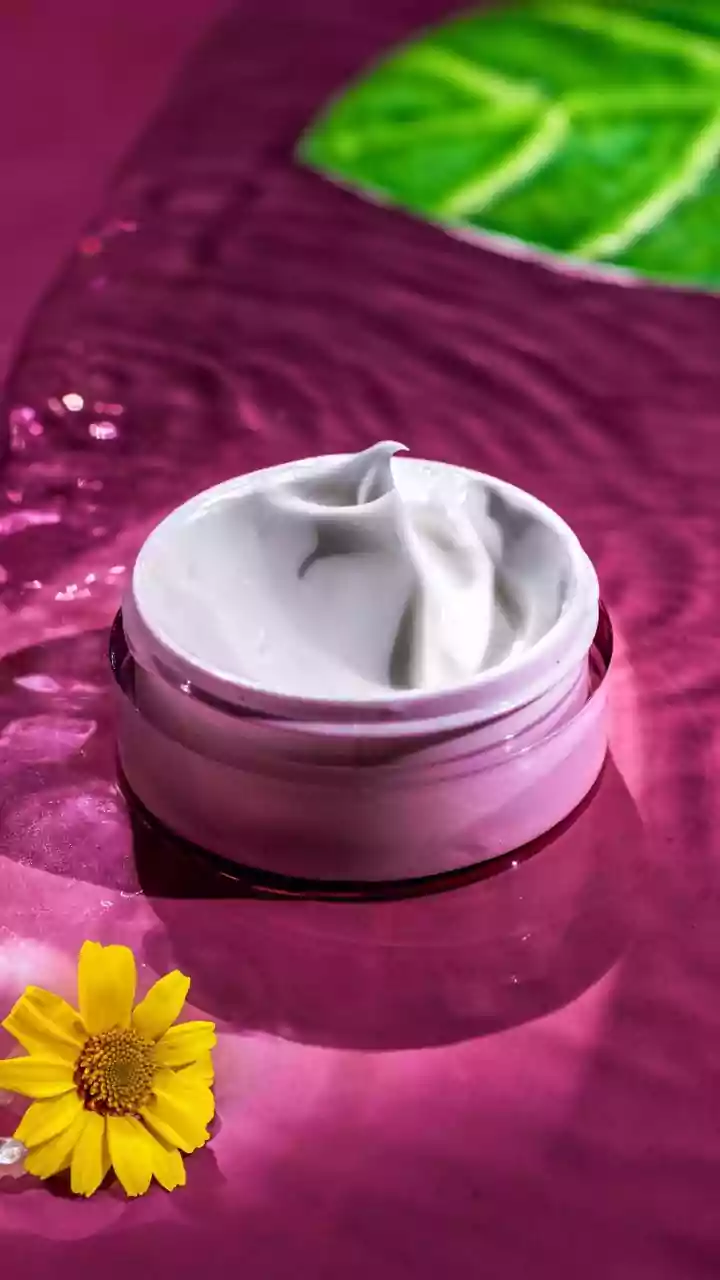





Step 1: Cleanse Thoroughly, But Gently
High humidity means more sweat, oil, and environmental pollutants accumulate on your skin, which can lead to clogged pores and acne. Dermatologists recommend cleansing your face twice a day to manage this. Consider double cleansing, starting with an oil-based
cleanser to break down makeup and sunscreen, followed by a gentle, pH-balanced foam or gel wash. For those with oily or acne-prone skin, a cleanser with salicylic acid can be particularly effective at keeping pores clear without stripping the skin of its essential moisture. However, avoid over-washing, as this can damage the skin's natural barrier and ironically trigger more oil production.
Step 2: Exfoliate to Prevent Clogged Pores
Exfoliation is key during the rainy season to remove the build-up of dead skin cells that can trap oil and bacteria, leading to breakouts and a dull complexion. Instead of harsh physical scrubs, which can cause micro-tears and irritation, opt for gentle chemical exfoliants. Products containing Alpha Hydroxy Acids (AHAs) like glycolic acid or Beta Hydroxy Acids (BHAs) like salicylic acid are excellent choices. Using a chemical exfoliant two to three times a week is usually sufficient to keep the skin smooth and prevent pores from getting clogged.
Step 3: Use a Lightweight, Hydrating Moisturiser
It’s a common myth that you don’t need to moisturise in humid weather. Skipping this step can weaken your skin's protective barrier, leaving it vulnerable to irritation and infection. The trick is to choose the right formula. Heavy, creamy moisturisers can feel suffocating and clog pores in the monsoon. Instead, opt for lightweight, non-comedogenic (pore-clogging) moisturisers. Gel-based or water-based formulas containing ingredients like hyaluronic acid and glycerin are ideal, as they provide essential hydration without feeling greasy or heavy on the skin.
Step 4: Sunscreen is Absolutely Non-Negotiable
Don't let cloudy skies fool you; skipping sunscreen is one of the biggest mistakes you can make during the monsoon. Up to 80% of the sun’s harmful UV rays can penetrate through clouds, glass, and rain. These rays are responsible for premature ageing, tanning, and long-term skin damage. Furthermore, wet surfaces and puddles can reflect and scatter UV radiation, increasing your exposure. Dermatologists strongly advise using a broad-spectrum sunscreen with an SPF of 30 or higher every single day, even when you're indoors. Look for a lightweight, gel-based, or matte-finish formula that feels comfortable in humid conditions.
Step 5: Add a Weekly Clay Mask
To give your skin an extra deep clean, consider incorporating a clay mask into your routine once a week. Clay masks, such as those made with multani mitti (Fuller's earth) or bentonite clay, are excellent for absorbing excess oil, pulling impurities from the pores, and helping to prevent blackheads and acne. This step acts as a weekly reset for your skin, helping to manage the extra sebum production that is common during the rainy season without over-drying your skin when used in moderation.
Step 6: Don't Forget Fungal Prevention
The damp and humid environment of the monsoon is a perfect breeding ground for fungal and bacterial infections. These often appear as itchy, red rashes in skin folds, between the toes (Athlete's foot), and other areas prone to moisture. To prevent this, always keep your skin as dry as possible. Change out of wet clothes or damp socks immediately. Wearing loose, breathable cotton clothing helps improve air circulation. After bathing, pat your skin completely dry, paying special attention to folds. Using an antifungal powder in areas prone to sweat can also be a very effective preventive measure.