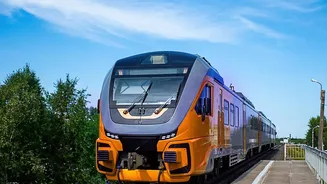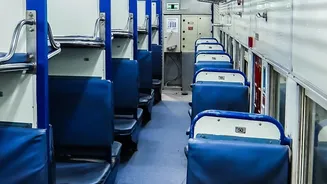



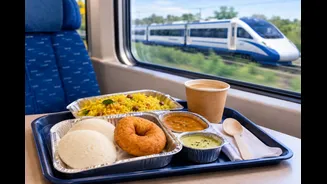
Indian Railways is testing a new approach to dining on its flagship Vande Bharat sleeper trains. A trial on three key routes is changing the menu and meal booking process, signaling a potential shift for the future of onboard catering.
A New Recipe for Rail Dining
The Indian Railway
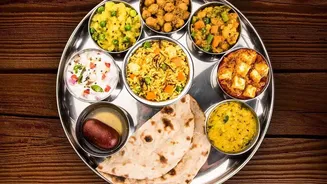
Catering and Tourism Corporation (IRCTC) has initiated a pilot project on three Vande Bharat sleeper routes, introducing a more streamlined and compact menu. This trial, which began on November 1, fundamentally changes the onboard dining experience by reducing the number of available food items. Previously, meal trays could feature eight to ten different components, including various accompaniments like salads, pickles, and sweets. Under the new system, this has been trimmed to about four core items, presenting a simplified meal structure that passengers on flights might find familiar. The change applies to breakfast, lunch, and dinner services. While passengers can still opt out of meals altogether during ticket booking, the trial focuses on refining the offerings for those who do choose to dine onboard.
Less is More: The Goal of Better Quality
The primary motivation behind this menu overhaul is a direct response to passenger feedback and persistent complaints regarding food quality, hygiene, and consistency. IRCTC officials have stated that managing a large, diverse menu makes it difficult to maintain high standards for every dish prepared and served in bulk. By reducing the number of items, the corporation aims to exercise better quality control, ensuring each component of the meal is fresh and well-prepared. This move is part of a broader strategy to professionalize catering by partnering with large, established cloud kitchens and hospitality groups—some of which also service airlines—to handle meal preparation. This shift from numerous small vendors to a few large ones is expected to standardize quality across the network.
The Three Trial Routes
This significant catering experiment is currently active on three specific Vande Bharat sleeper train routes. These are the services connecting New Delhi and Varanasi, Mumbai and Bengaluru, and Howrah and Kamakhya (Guwahati). These long-distance overnight journeys provide the perfect testbed for the new system, as they involve multiple meal services. IRCTC is closely monitoring passenger reactions and feedback on these routes to determine the success of the trial. If the response is positive and the operational benefits are clear, the streamlined menu concept could be expanded to other Vande Bharat services and potentially influence catering policies on other premium trains across the Indian Railways network.
What’s Off the Menu?
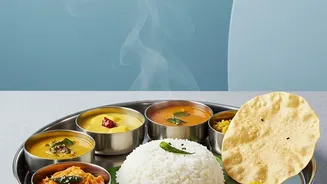
The new, compact menu means several familiar items have been removed from the standard meal tray. For breakfast, options like soup, omelettes, sandwiches, buttermilk, and chocolates are no longer part of the pre-plated meal. For lunch and dinner, accompaniments such as dry vegetables, curd, salad, pickles, and sweets have been discontinued. The new breakfast menu focuses on a choice of one main item, such as idli with vada, poha, or upma. Lunch and dinner now consist of a simpler combination of chapati, rice, dal, and a single main vegetable or chicken dish. This change has also reduced the overall weight of a meal from about 700-750 grams to a lighter 450-500 grams, though IRCTC states the portion size of the remaining items is unchanged.
The Bigger Picture for Passengers
This trial represents a strategic trade-off. While passengers lose some variety, the intended gain is a more reliable and higher-quality dining experience. The move also aligns with efforts to reduce food wastage, a significant challenge in railway catering where predicting exact passenger demand is difficult. By simplifying menus and linking them to pre-booking data, IRCTC can streamline kitchen operations and logistics. Initial reports from IRCTC's Western Zone suggest a 10% drop in food-related complaints since the new arrangements were implemented, indicating the changes may be having the desired effect. For passengers, this experiment could pave the way for a future where train food is not just a convenience but a consistently enjoyable part of the journey.