



As temperatures drop, nothing feels cosier than wrapping up in a warm woollen scarf. But this winter staple has a hidden downside: it could be the secret culprit behind your hair's frizz, static, and even breakage. But don't worry, the solution is simple.
The Hidden Damage in Woollen Comfort
The problem with wool lies in its very structure. Under a microscope, each wool fibre is covered in tiny, overlapping scales, much like tiles on a roof. While these scales are great for trapping heat and giving wool its unique texture, they create a rough surface. When your hair, which has its own cuticle layer, rubs against these woollen scales, the friction can be intense. This constant rubbing lifts and snags your hair's cuticles, making them rough and prone to catching on each other. Over time, this repeated friction leads to weakened strands, split ends, and noticeable breakage. It’s the same reason a cosy woollen sweater can sometimes leave your hair in a tangled mess at the nape of your neck.
The Science of Winter Hair Static
If you've ever taken off a wool hat or scarf and had your hair stand on end, you've experienced the power of static electricity. This happens because of a process called triboelectric charging. When your hair rubs against the wool, electrons are transferred, creating an electrical charge. This is made worse by the dry air of winter, both indoors and out. In humid weather, moisture in the air helps to dissipate these charges. But in dry conditions, the charge builds up, causing each positively charged strand of hair to repel its neighbour. The result is that frustrating halo of flyaways that seem to have a mind of their own.
Enter Satin: The Smooth Saviour
This is where satin comes to the rescue. Unlike wool, satin is not a fibre but a specific type of weave. This weave creates an incredibly smooth, glossy surface with very little texture. When your hair comes into contact with satin, it simply glides over the fabric instead of snagging. This drastic reduction in friction means your hair cuticles remain flat and undisturbed. By swapping rough textures for a smooth one, you minimise the two biggest winter hair issues: mechanical damage from friction and the buildup of static electricity. Whether it's a scarf, a bonnet, or a pillowcase, the principle remains the same: a smoother surface means healthier, calmer hair.
Locking In Your Hair’s Natural Moisture
Beyond causing friction, wool is also a highly absorbent fibre. It can wick moisture away not just from the air, but also from your hair, leaving it dry and brittle. Dry hair is more susceptible to both static and breakage. Satin, particularly when made from synthetic materials like polyester, is non-absorbent. This means it won't strip your hair of its natural oils or the conditioning products you’ve applied. By creating a barrier that helps your hair retain its own moisture, a satin wrap or lining ensures your strands stay hydrated, flexible, and less prone to the damaging effects of a dry winter environment.
Smart and Stylish Ways to Protect Your Hair
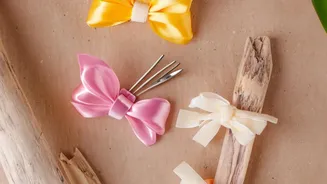
You don't have to sacrifice warmth for the sake of your hair. The key is smart layering. Instead of letting your wool scarf or hat come into direct contact with your hair, create a protective barrier with satin or silk. You can wear a chic satin scarf tied around your hair underneath your favourite woollen beanie. Many are now even sold with a builtin satin lining. Another option is to wrap your hair in a satin scarf before draping your woollen one over the top. This strategy extends to your sleep as well. Sleeping on a satin pillowcase or using a satin bonnet can protect your hair from the friction caused by cotton sheets, reducing bedhead and preserving your hairstyle overnight.