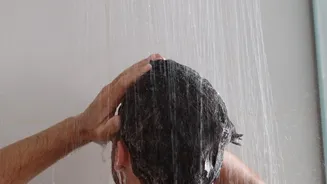







On a cold winter morning, nothing feels more tempting than a long, steaming hot shower. But while it might soothe your soul, it could be secretly sabotaging your skin. Here’s why turning down the heat is your first step to happy winter skin.
Why Winter Is Tough on Skin
Winter is
a perfect storm for skin dryness. The combination of cold outdoor air and dry indoor heating creates an environment with very low humidity. This causes the moisture in your skin to evaporate more quickly, leaving it feeling tight, rough, and sometimes itchy. This process weakens your skin's natural protective barrier, which is made of oils and lipids designed to lock moisture in and keep irritants out. When this barrier is compromised, your skin becomes more vulnerable to dryness, irritation, and even conditions like eczema.
The Problem with Hot Showers
That comforting hot shower is one of the biggest culprits behind winter skin woes. Extremely hot water strips your skin of its natural oils, much like a strong degreaser. This further damages the skin's moisture barrier, leading to increased water loss and making your skin even drier and more susceptible to irritation. The heat can also cause inflammation and dilate blood vessels, leading to redness and potentially worsening conditions like rosacea or acne. If you step out of the shower and your skin feels tight, red, or itchy, it's a clear sign your water is too hot.
The Ideal Winter Shower Routine
To protect your skin, dermatologists recommend a simple shift in your shower habits. First, turn down the temperature. The ideal range is lukewarm, generally considered to be between 37°C and 40°C, which feels comfortably warm without being steaming hot. Second, keep your showers short. Aim for a duration of 5 to 10 minutes. Longer exposure to water, even at a mild temperature, can contribute to dryness. Use a gentle, fragrance-free cleanser instead of harsh soaps, and apply it only where needed, like the underarms and groin, rather than scrubbing your entire body. When you’re done, gently pat your skin dry with a soft towel instead of rubbing vigorously.
Moisturise The Right Way
Moisturising is non-negotiable, especially in winter. The most critical time to apply it is immediately after showering—within three to five minutes—while your skin is still slightly damp. This helps trap the moisture your skin just absorbed from the shower, sealing it in. For winter, you may want to switch to a thicker cream or ointment rather than a light lotion. Look for products containing ingredients like ceramides, hyaluronic acid, glycerin, and shea butter, which are excellent for restoring the skin's barrier and retaining hydration. Don't forget often-neglected areas like your hands, feet, and elbows.
Extra Tips for Healthy Winter Skin
Beyond your shower routine, a few other lifestyle adjustments can make a big difference. Using a humidifier in your home, especially in the bedroom, adds moisture back into the dry indoor air, which helps your skin stay hydrated. Protecting your skin when you go outside is also important; wear soft fabrics, gloves, and scarves to shield your skin from cold winds. Finally, remember to hydrate from the inside out by drinking plenty of water throughout the day.