





The Golden Rule of UPI Safety
Before diving into specific scams, it's crucial to understand one fundamental principle that stops most fraud: you never need to enter your UPI PIN to receive money. Your PIN is a secret key used only to authorise payments from your account. If anyone
asks you to enter your PIN to get a refund, prize, or payment, it is a scam. Remembering this single rule is your strongest defence against the most common fraudulent tactics.
Decoding the QR Code Scam
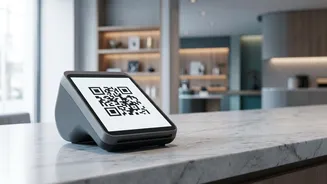
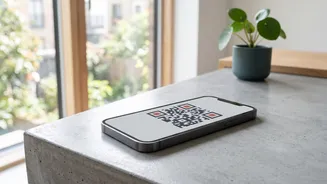
Scammers frequently exploit a misunderstanding of how QR codes work. They might send you a QR code via WhatsApp or another messenger, claiming you need to scan it to receive money. In reality, scanning a QR code and entering your PIN is always for sending money, never for receiving it. This trick is common on online marketplaces, where a fake 'buyer' asks you to scan a code to 'confirm receipt' of funds. Another variation involves fraudsters placing their own QR code sticker over a legitimate one at a shop, redirecting your payment to their account instead of the merchant's. Always verify the recipient's name in your UPI app before authorising the payment.
Spotting Deceptive Phishing Links
Phishing remains a popular method for fraudsters. They send SMS messages or emails that appear to be from your bank or a UPI app, often creating a sense of urgency. These messages contain links that lead to fake websites designed to look like official portals. Once there, you might be asked to enter your UPI PIN, OTP, or other sensitive bank details, giving scammers direct access to your account. Legitimate banks and the NPCI will never ask for your PIN or password via a link in an email or SMS. Always download UPI apps from official sources like the Google Play Store or Apple App Store, not from links sent by others.
The 'Request Money' and Social Engineering Traps
Scammers often use social engineering—manipulating you through trust and urgency—to succeed. A common tactic is the 'Request Money' feature on UPI apps. A fraudster will send you a payment request, often with a convincing message like 'Enter your PIN to receive your refund'. If you approve it, you are authorising a payment from your account. Another method involves impersonation. Scammers may call pretending to be from a bank or customer service, claiming there's a problem with your account to trick you into sharing your PIN or an OTP. Always be sceptical of unsolicited calls and requests, no matter how urgent they seem.
Your UPI Safety Checklist
To transact safely, integrate these habits into your routine. First, never share your UPI PIN or OTP with anyone. Second, always verify the recipient's details on the confirmation screen before entering your PIN. Third, be wary of public or unsecured Wi-Fi networks when making transactions, as they can be vulnerable to hackers. Fourth, regularly monitor your transaction history for any unauthorised activity. Finally, enable all security features on your UPI app, such as biometric locks, and keep the app updated to benefit from the latest security patches.
What to Do If You Get Scammed
If you suspect you've fallen victim to a UPI scam, acting quickly is critical. Your first call should be to the National Cyber Crime Helpline at 1930. Immediately after, inform your bank to report the fraudulent transaction and request to block your account or the transaction. You should also file a formal complaint on the National Cyber Crime Reporting Portal (cybercrime.gov.in). Reporting the incident within the UPI app itself also creates an official record. The faster you report the fraud, the higher the chances of potentially recovering the money.