


An Unexpected Monsoon Boom
For generations, Rajasthan's tourism calendar was predictable: a bustling peak season in the cool, dry winter and a quiet, scorching summer. The monsoon was traditionally a lull. But that is changing. Recent trends show a significant uptick in travellers
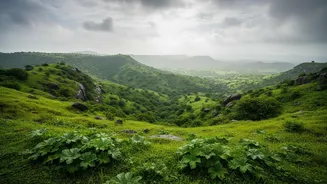
flocking to the state between July and September, drawn by a side of Rajasthan that defies its arid reputation. This isn't a niche trend; it's a clear shift. Travel experts refer to it as the rise of "green tourism," where visitors actively seek out the unique glow that blankets the state after the rains. This growing interest is giving a major boost to the hospitality industry, especially in smaller, emerging destinations that are now seeing remarkable growth. Improved connectivity through new expressways and more flights has made spontaneous monsoon getaways easier than ever.
Udaipur's Lush Transformation
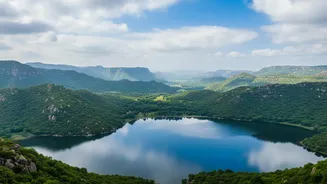
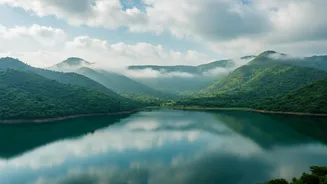
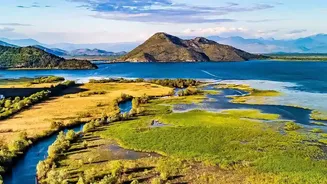
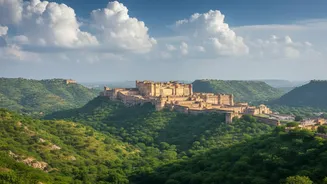
At the heart of this monsoon revival is Udaipur. Known as the 'City of Lakes', its romantic charm amplifies during the rains. The city's famous water bodies, like Lake Pichola and Fateh Sagar Lake, swell to their full, shimmering glory. The surrounding Aravalli Hills, parched for months, undergo a dramatic transformation, turning into vibrant, emerald slopes. The Sajjangarh Palace, aptly nicknamed the Monsoon Palace, becomes a prime vantage point, offering breathtaking views of the rain-washed city and dramatic cloud formations. This seasonal makeover has not gone unnoticed. Last year, from July to September alone, Udaipur welcomed over 450,000 visitors. The city's blend of regal heritage and renewed natural beauty has cemented its status as one of India's premier monsoon destinations.
Discovering the 'Cherrapunji of Rajasthan'
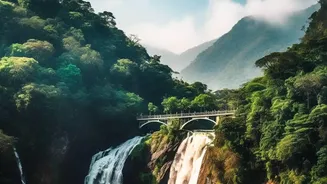
While Udaipur leads the charge, the monsoon surge is encouraging travellers to venture further. Destinations once considered off the beaten path are now stepping into the spotlight. Take Banswara, a city in southern Rajasthan nicknamed the 'City of a Hundred Islands' due to the numerous islands on the Mahi River. During the monsoon, it becomes so green and rain-soaked that it has earned the moniker 'the Cherrapunji of Rajasthan'. Its landscape of cascading waterfalls, overflowing lakes, and dense teak forests offers a vision of the state that is a world away from the Thar Desert. Other destinations gaining popularity include the state's only hill station, Mount Abu, which becomes a misty retreat, and the formidable Kumbhalgarh Fort, where the ramparts often rise above low-hanging clouds, offering serene and dramatic views of the Aravalli range. Even wildlife sanctuaries like Ranthambore and Sariska are attracting visitors for buffer-zone safaris.
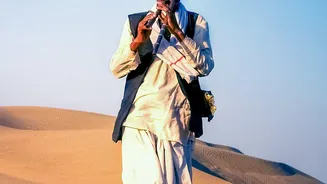
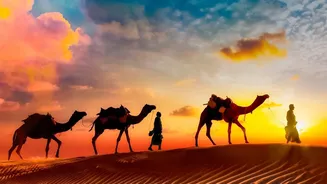
From Sand Dunes to Waterfalls
Several factors are driving this shift. The rise of social media has played a huge role, with stunning images of a green Rajasthan captivating a new generation of travellers. The tourism department has also actively promoted this 'green tourism', sharing videos and campaigns that showcase the state's monsoon beauty. There's also a growing preference among tourists for slower, more immersive journeys that connect them with nature. Instead of rushing through a checklist of forts, visitors are opting for serene stays at resorts where they can appreciate the landscape. This shift has redefined luxury, with travellers prioritising immersive nature experiences over conventional five-star amenities. Furthermore, the off-season timing means fewer crowds and significant discounts on flights and hotels, making it a budget-friendly option for many.
A Greener, Year-Round Future
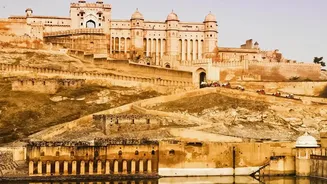
This trend is more than just a passing phase; it represents a fundamental reshaping of Rajasthan's tourism identity. State officials have taken notice, launching campaigns like "Rajasthan in Summer" to consciously position the state as a year-round destination. The economic benefits are spreading beyond the traditional hubs of Jaipur and Jodhpur to places like Bundi, Banswara, and Pali. By embracing its monsoon and summer potential, Rajasthan is building a more resilient and diverse tourism ecosystem. It challenges the long-held perception of the state as solely a winter destination and invites travellers to see a different, greener side of its majestic landscape. This evolution not only strengthens the local economy but also enriches the story of what Rajasthan has to offer the world.