


The Perfect Weather Window
The primary reason road trippers flock to Rajasthan between October and December is the idyllic weather. After months of scorching heat and a brief monsoon, early winter ushers in a climate that is perfect for driving and exploration. Daytime temperatures
hover comfortably between 25°C and 30°C, while evenings become pleasantly cool, dropping to around 10-15°C. This allows for long hours on the road without the fatigue of extreme heat, and makes exploring majestic forts and bustling markets a delightful experience. Unlike the peak cold of January, when nights in the desert can be biting, early winter offers a perfect balance.
Clear Skies and Golden Light
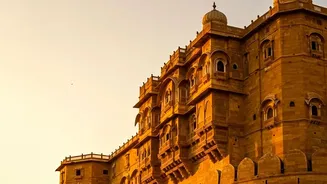
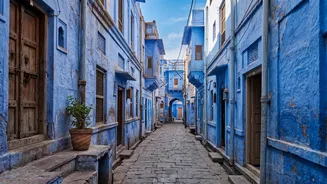
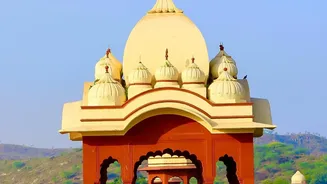
Post-monsoon, the skies over Rajasthan are typically clear and a brilliant, cloudless blue. This provides not only unobstructed views of the stunning landscape but also a photographer's dream. The sunlight during these months is softer and has a golden quality, especially during the early morning and late afternoon. This light beautifully illuminates the sandstone architecture of Jaisalmer's 'Golden City', the iconic blue houses of Jodhpur, and the pink-hued buildings of Jaipur. For drivers, the dry weather and clear visibility ensure safer and more predictable road conditions on the well-maintained highways connecting the three cities.
A Calendar of Cultural Festivities
Early winter marks the beginning of Rajasthan's vibrant festival season. While driving the circuit, travellers have the chance to witness or participate in numerous cultural events. Depending on the lunar calendar, this period can include the world-famous Pushkar Camel Fair near Ajmer, a short detour from the main route. Other regional celebrations like the Marwar Festival in Jodhpur and the Mount Abu Winter Festival in late December showcase the state's rich folk music, dance, and traditions. Driving provides the flexibility to time your stops with these events, offering a more immersive cultural experience than other forms of travel.
The Ideal 'Shoulder Season' Experience
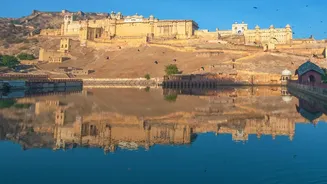
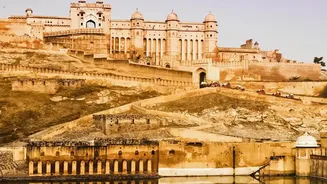
While winter is the peak tourist season, the early months of October and November are considered a 'shoulder season'. This means you get all the benefits of the great weather but with fewer crowds than in the absolute peak of late December and January, when holiday travellers descend on the state. Fewer people at major attractions like Jaipur's Amber Fort, Jodhpur's Mehrangarh Fort, and the living fort of Jaisalmer means a more relaxed and enjoyable visit. Accommodation is also easier to find and often more reasonably priced before the peak holiday rush kicks in.
The Drive Itself: Smooth Roads and Shifting Landscapes
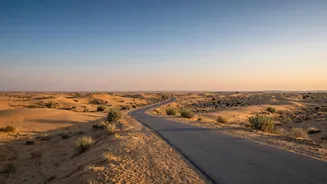
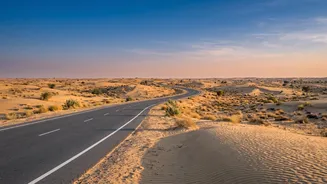
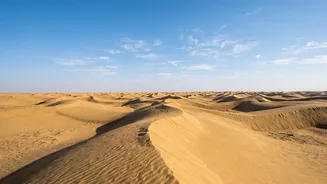
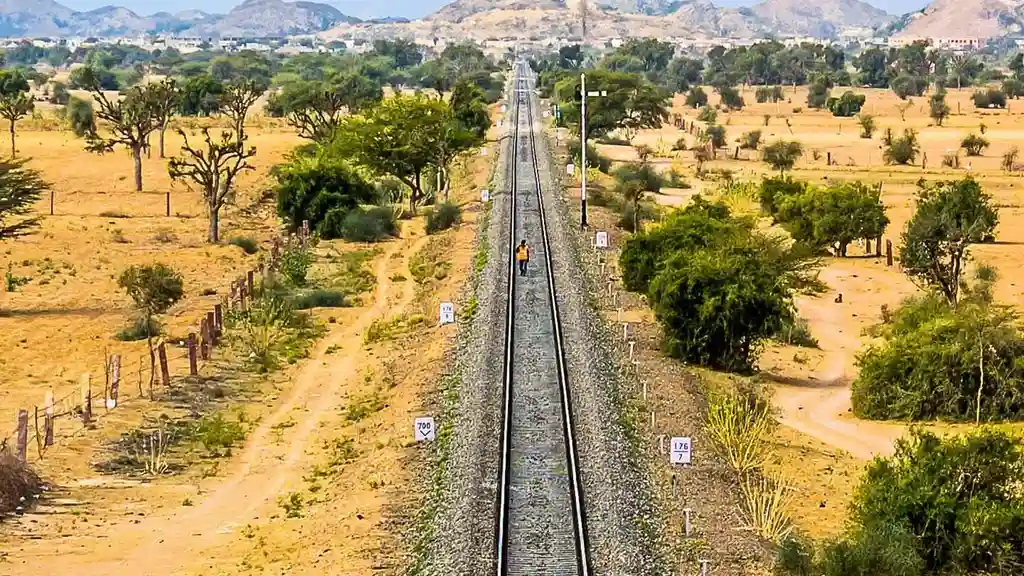
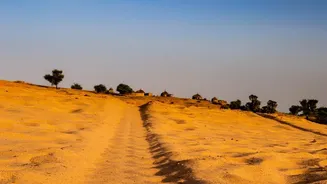
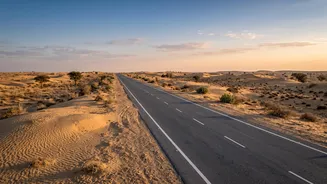
The highway circuit connecting Jaipur, Jodhpur, and Jaisalmer is largely composed of well-maintained national highways, making for a smooth and enjoyable driving experience. The approximately 560-kilometre route from Jaipur to Jaisalmer via Jodhpur offers a fascinating transition in scenery. The journey begins in the semi-arid region around Jaipur, gradually shifting as you head west. Past Jodhpur, the landscape transforms into the iconic expanse of the Thar Desert, with long, straight roads stretching towards the horizon, dotted with small villages and the occasional camel herd. This gradual change is a core part of the road trip's appeal, offering a unique sense of journey and arrival.
A Feast for the Senses
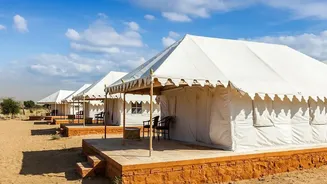
A road trip is as much about the stops as it is about the drive, and this circuit is a culinary delight. The pleasant weather of early winter is perfect for enjoying meals at roadside dhabas and rooftop restaurants. From the rich curries and sweets of Jaipur to Jodhpur's famous Mirchi Vada and Makhaniya Lassi, the route offers a constantly changing menu. In Jaisalmer, dining under the stars at a desert camp is an essential experience, made all the more comfortable by the cool, dry air. The freedom of a car allows for spontaneous stops to sample local flavours that are often missed by those on stricter itineraries.