


Beyond the Bucket List
For decades, the hallmark of a successful trip was a completed checklist: the Eiffel Tower, the Colosseum, the Taj Mahal, all captured in a frantic series of photo-ops. This is “tick-box tourism,” an approach that values proof of presence over the experience
itself. It's about collecting passport stamps and seeing the sights, often from behind the window of a tour bus, before rushing to the next destination. But a significant shift is underway. Today’s travellers are increasingly trading this superficial approach for “culture-led escapes.” This isn't just a new buzzword; it's a different travel philosophy altogether. It prioritises meaningful engagement with local communities, traditions, and ways of life. It’s the difference between seeing a place and truly understanding it.
Why the Shift to Meaningful Travel?
Several factors are driving this change. The post-pandemic world has left many with a desire for more purpose-driven journeys and a greater appreciation for life's precious moments. There's also a growing weariness with the performative nature of social media, where an 'Instagram checklist' can dictate an entire itinerary. Travellers are becoming more aware of the downsides of over-tourism, such as overcrowding and the strain on local resources, and are actively seeking alternatives. This new mindset, often called "slow travel" or "immersive travel," is less about how many places you can visit and more about the quality of the experience. It’s an intentional decision to connect with a destination on a deeper level, transforming a simple vacation into a journey of personal growth.
What Does a Culture-Led Trip Look Like?
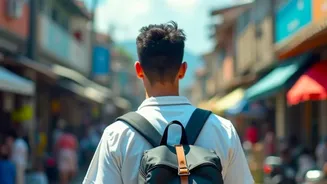
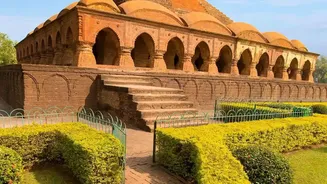
Forget a rigid, packed itinerary. A culture-led escape is fluid and experience-focused. Instead of just eating at a restaurant in Jaipur, it might involve taking a cooking class to learn the secrets of Rajasthani cuisine from a local family. Instead of simply buying a souvenir in a tourist shop, it could mean participating in a craft workshop to understand the artisan's skill and heritage. These experiences can range from joining a traditional festival in a small village to learning a few phrases of the local language to better connect with people. For Indian travellers, this trend is also playing out domestically, with a surge in visits to heritage, spiritual, and cultural circuits in states like Uttar Pradesh and Tamil Nadu. Homestays, village walks, and tasting traditional cuisine are becoming popular ways to experience the authentic local life of diverse regions.
More Than Just a Holiday
The benefits of this approach extend beyond the traveller. By prioritising authentic experiences, travellers often support local economies more directly, choosing to spend their money at family-run businesses, with local guides, and on community-based projects. This form of sustainable tourism helps preserve cultural heritage, as it creates a genuine incentive for communities to share and maintain their traditions. It breaks down stereotypes and fosters greater cross-cultural understanding, turning travel into a powerful tool for connection in a globalised world. Travellers return home not just with photographs, but with new skills, richer memories, and a profound shift in perspective that a simple sightseeing tour could never provide.