






Choose Your Celestial Show
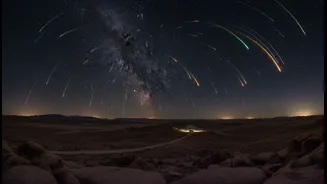
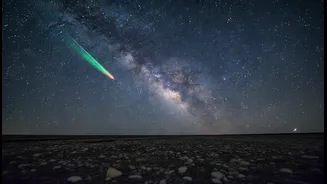
Timing is everything. While stars are out every night, celestial events make the experience extra special. The annual Perseid meteor shower is one of the year's best, and in 2026, it promises a spectacular show. The peak is expected on the nights of August
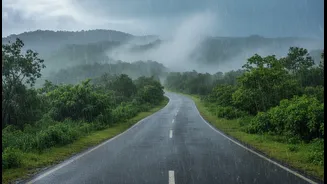
12 and 13. Crucially, this coincides with a new moon, meaning the sky will be exceptionally dark, free from lunar glare. Under these ideal conditions, you could see dozens of meteors per hour. While the Southern Delta Aquariids are also active in late July, their 2026 peak will be obscured by a bright full moon, making the Perseids the main event to plan for. Always check the forecast for clouds; even the best meteor shower is invisible behind a thick monsoon blanket. For those in rain-prone areas, this might mean a short trip is in order.
The Quest for a Clear Sky
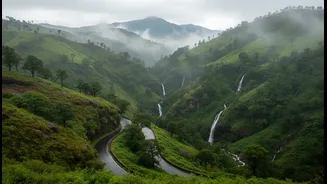
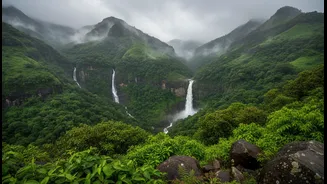
The single biggest obstacle to good stargazing is light pollution. The glow from our cities washes out all but the brightest stars, making it impossible to see the faint dust lanes of the Milky Way or the subtle streaks of a meteor shower. To find a truly clear sky, you must get away from population centres. Aim for a location at least 30 to 40 kilometres away from the nearest city limits. High-altitude locations are even better, as the thinner air is clearer and more stable. India is blessed with several world-class dark sky locations. Hanle in Ladakh, designated as India's first Dark Sky Reserve, offers some of the most pristine skies on the planet. Other exceptional areas include Spiti Valley in Himachal Pradesh, the Rann of Kutch in Gujarat, and remote parts of the Western Ghats like Coorg. For those in South India, spots like Kodaikanal and Valparai also offer fantastic views away from city lights. You don’t need a telescope; at these sites, the Milky Way is often visible to the naked eye.
What Makes a Place Safe?
A perfect sky is useless without a safe place to enjoy it. Safety has several components. First, physical safety: choose a spot with level, solid ground, away from cliffs, water bodies, or dense forests where your view is obstructed. A daytime visit to scout your chosen location is a great idea to identify any potential hazards. Second is personal safety. Avoid going alone. A small group is always safer and more fun. Inform a friend or family member of your location and your expected return time. Stick to designated public areas like parks or official viewpoints where possible, rather than isolated country lanes that might attract unwanted attention. In India, it's wise to avoid isolated areas after dark, especially in unfamiliar territory. Staying in a larger group or within a tourist-friendly area can add a layer of security.
Packing for a Night Under the Stars
Your comfort will define how long you can enjoy the show. Even on a warm day, temperatures can drop significantly after sunset, especially at altitude. Dress in layers and bring a warm jacket, a hat, and a blanket or two. A comfortable chair or a groundsheet is essential, as you'll be looking up for long periods. To see faint objects, your eyes need 30-45 minutes to fully adapt to the darkness. Avoid looking at your bright phone screen, which will ruin your night vision. Instead, use a red-light torch to see your surroundings, as red light has a minimal impact on your eyes. Pack some snacks and a thermos of a warm beverage like tea or hot cocoa. Binoculars are a fantastic, portable tool for getting a closer look at the moon's craters or star clusters, and they are much easier to travel with than a telescope. Lastly, don't forget essentials like a basic first-aid kit, insect repellent, and plenty of water.