
Rethinking Your Watering Schedule
The biggest mistake gardeners make in August is sticking to a summer watering routine. With high humidity and frequent rainfall, the soil stays wet for much longer. Overwatering is the leading cause of root rot, a condition where roots are deprived of oxygen
and begin to decay. The advice has changed: don't water on a schedule. Instead, check the soil first. Push your finger about two inches into the soil; if it feels moist, wait another day. Even plants under covered balconies need less water due to the humid air. Forgetting this simple check is the fastest way to drown your plants.
The Critical Importance of Drainage
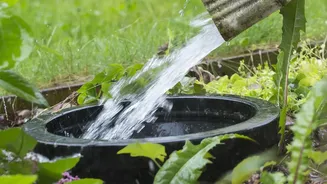
If watering is the input, drainage is the essential escape route. In the rainy season, good drainage is non-negotiable. Check that every pot has clear, unblocked drainage holes. A modern tip is to elevate your pots on bricks or stands. This simple step prevents them from sitting in saucers of collected rainwater, a guaranteed recipe for waterlogged soil and suffocated roots. For gardens in the ground, creating raised beds can be a game-changer, allowing excess water to drain away from the root zone. The latest thinking emphasizes that you can't control the rain, but you can control where it goes.
Aerate the Soil to Help Roots Breathe
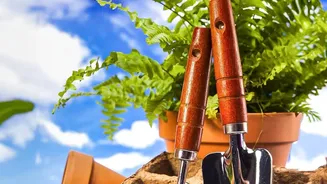
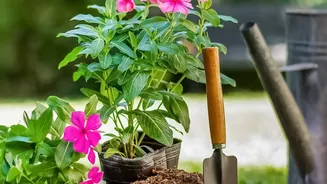
Heavy monsoon rains can compact soil, squeezing out the air pockets that roots need to survive. Healthy roots don't just absorb water; they need oxygen to function. The current guidance is to focus on soil structure. Gently loosen the top layer of soil in your pots with a small fork or tool to improve aeration. When preparing new pots, create a light, airy potting mix by adding materials like cocopeat, sand, or perlite. This prevents the soil from becoming a dense, muddy block and ensures roots have access to the oxygen they require to absorb nutrients effectively.
Feeding Roots, Not Just Leaves
Heavy rains can wash essential nutrients out of the soil, a process called leaching. However, piling on chemical fertilisers can be counterproductive, as stressed, waterlogged roots can't absorb them properly and may even burn. The updated approach is to feed the soil with slow-release organic options. Vermicompost is highly recommended as it provides a gradual supply of nutrients while also improving soil structure. Fertilize only during a dry spell between rains. Focus on balanced nutrition rather than high-nitrogen fertilisers, which can encourage weak, leafy growth at the expense of strong roots.
Proactive Prevention of Fungal Disease
The warm and wet conditions of August are a perfect breeding ground for fungal and bacterial infections that often start at the roots. Prevention is far more effective than cure. Ensure there is good air circulation around your plants by avoiding overcrowding. Regularly remove fallen leaves and dead plant matter from the soil surface, as this debris can harbor fungal spores. A clean garden is a healthier garden. Some gardeners now incorporate neem cake powder into their soil mix as a preventative measure to maintain a healthier root environment.