
What Exactly Is Upcycled Fashion?
Before we dive into its festive appeal, let's clarify what 'upcycling' means. Unlike recycling, which breaks down materials to create something of lower or equal value, upcycling transforms existing garments or fabrics into new pieces of higher quality
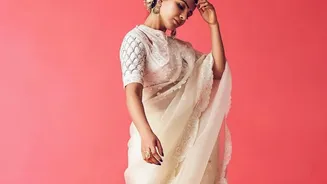
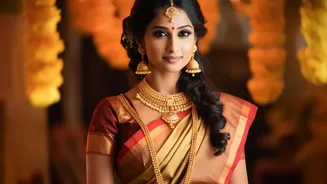
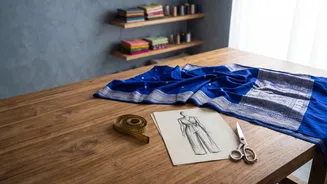
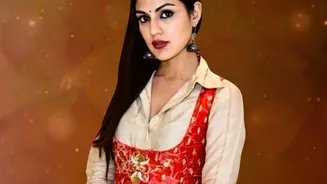
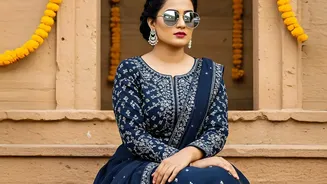
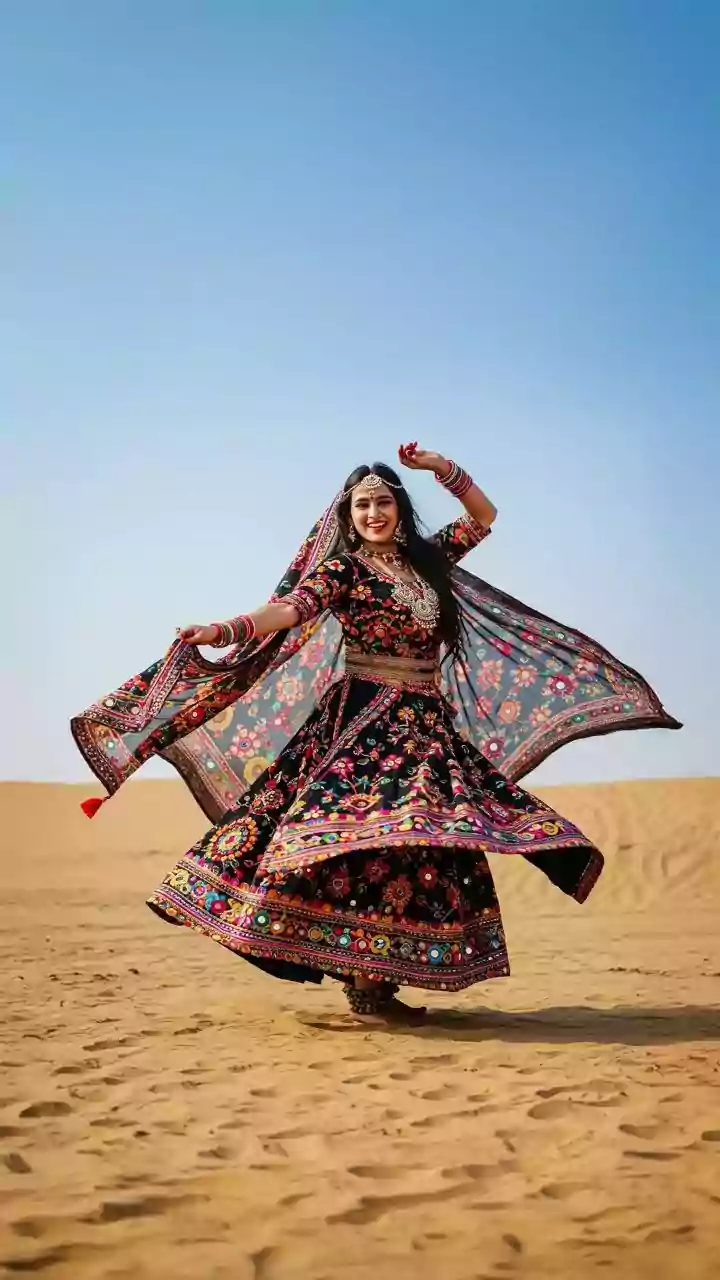
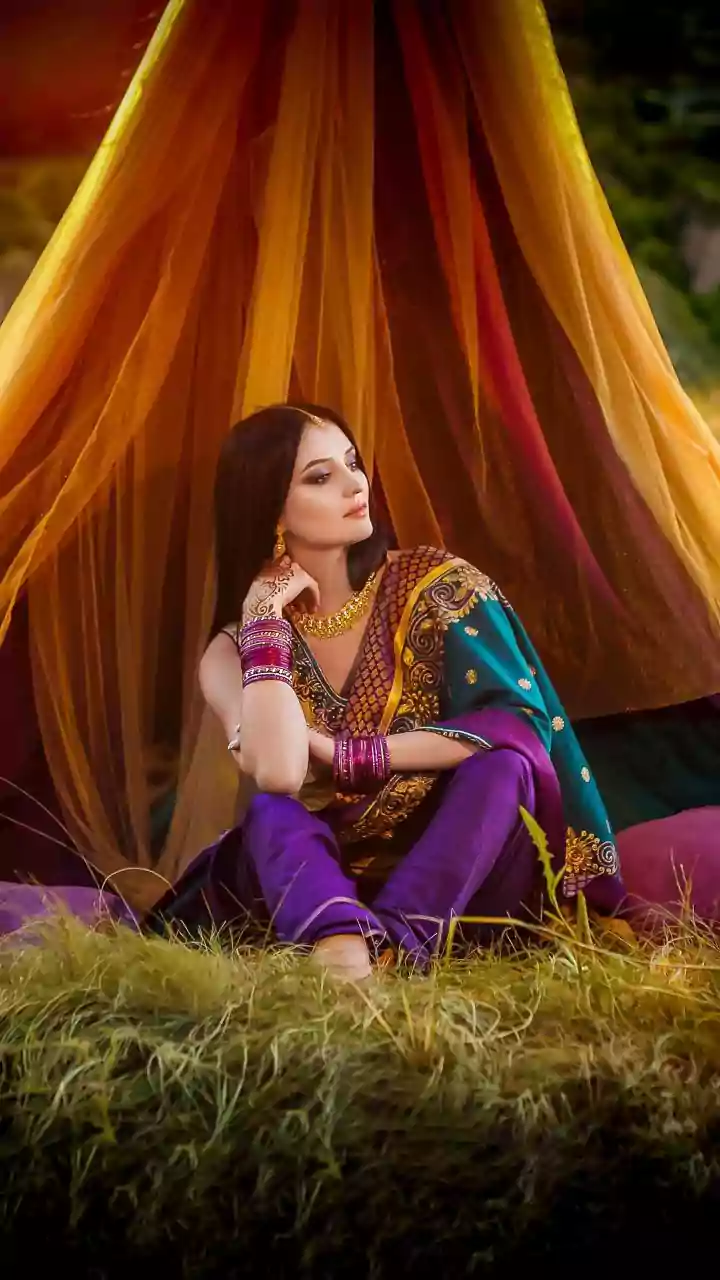
and greater aesthetic value. Think of it as a creative rebirth. In the context of Indian ethnic wear, this often means breathing new life into forgotten treasures. An old silk sari can be transformed into a flowing anarkali, a richly embroidered dupatta can become a stylish corset-style blouse, and scraps of brocade can be patched together to create a one-of-a-kind lehenga. The process creatively reuses materials without degrading them, preserving the integrity and history of the original fabric while adding new value through design.
A Marriage of Tradition and Consciousness
The spirit of Durga Puja is rooted in celebrating cultural heritage and community, making the upcycling trend a natural fit. This movement isn't entirely new; the practice of giving hand-me-downs and repurposing garments has been part of Indian households for generations. What's different now is the scale and creative intent, as designers and consumers consciously embrace it as a stylish and sustainable choice. By choosing an upcycled outfit, you are not just wearing a garment; you are honouring craftsmanship and making a choice that reduces textile waste. This blend of nostalgia and environmental responsibility resonates deeply during a festival that celebrates the triumph of good and the beauty of tradition.
From Heirloom to High Fashion
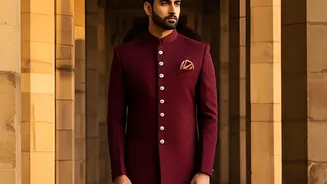
What was once a domestic practice has now found its way to the forefront of Indian fashion. A growing number of homegrown labels and designers are championing the art of upcycling. Brands like Péro, Lata Sita, and I Was A Sari have made names for themselves by transforming pre-loved saris and discarded textiles into stunning, contemporary silhouettes. These designers source materials from personal collections, textile vendors, and even from artisans who specialise in extracting precious metals from old zari work. This creative challenge results in unique, limited-edition pieces that stand in stark contrast to mass-produced fashion, offering wearers a garment with a rich history and a distinctive character.
A Statement of Individuality
In a sea of festive trends, upcycled ethnic wear offers something truly special: a personal story. Wearing a dress made from your mother's wedding sari or a kurta crafted from your grandmother's favourite silk carries an emotional weight that no new outfit can replicate. It’s a way to keep memories alive, woven into the very fabric of your celebration. This approach moves beyond simply looking good; it's about feeling connected to your roots and expressing your individuality. Moreover, it’s a conscious stand against the fast-fashion cycle that dominates many festivals, promoting a more thoughtful and lasting approach to what we wear. Each upcycled garment is inherently unique, ensuring that your festive look is truly your own.
How to Embrace the Upcycled Trend
Joining this beautiful movement is easier than you think. Start by looking within your own family's closets for old saris, dupattas, or lehengas that are no longer worn. You can work with a local tailor or a specialised designer to transform them into a custom outfit, such as a sharara set, a modern dress, or even chic accessories like potli bags. Many designers now offer custom upcycling services, allowing you to co-create a piece from your cherished fabrics. Alternatively, you can shop from the increasing number of brands and online stores that specialise in upcycled clothing, offering ready-to-wear pieces that are both stylish and sustainable. Look for quality craftsmanship and timeless designs that you can wear and re-wear for many festivals to come.