



First, Understand Your Light
Before you buy a single plant, become a student of your balcony's sunlight. Over a day, observe which areas get direct sun and for how long. You don't need special tools; just take note every hour or two. This will tell you if you have full sun (6+ hours),
partial shade (2-4 hours), or mostly shade (less than 2 hours). Remember that morning sun is gentler than the intense afternoon sun, which can be harsh on many plants, especially when reflected off walls and floors. The amount of light is the single most important factor in choosing plants that will thrive.
Master the Art of Watering
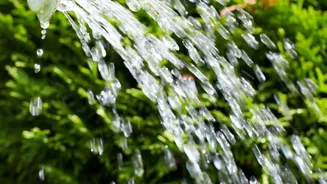
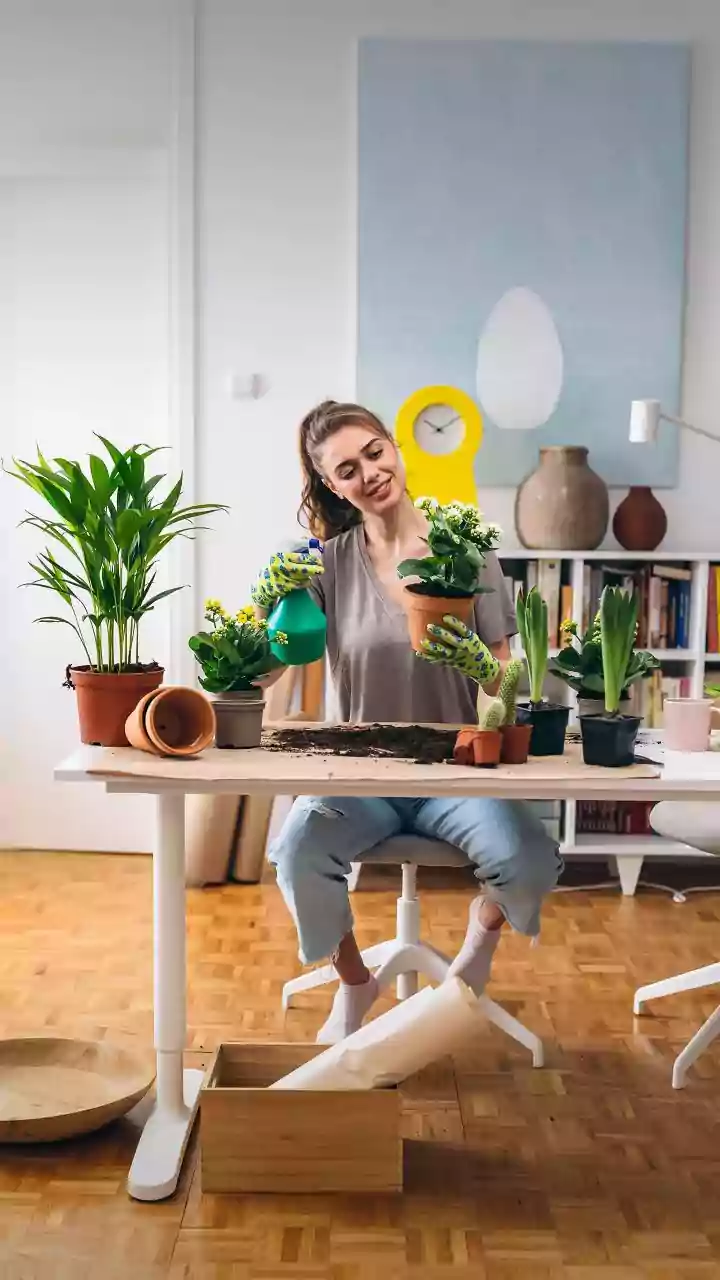
Watering container plants is different from watering a garden bed. Pots dry out much faster, especially on sunny or windy days, and may need daily watering in hot weather. The best rule is to water only when the plant needs it. The 'finger test' is your most reliable tool: stick your finger about an inch or two into the soil. If it feels dry, it's time to water. When you do water, do it thoroughly. Pour water until it flows freely from the drainage holes at the bottom of the pot. This ensures the entire root system gets a drink and encourages roots to grow deep and strong. Try to water in the morning to reduce evaporation and allow leaves to dry before nightfall, which helps prevent disease.
Choose the Right Home for Your Plants
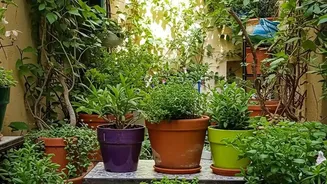
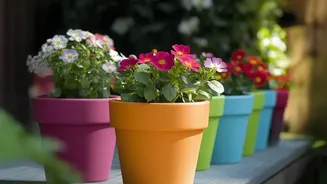
The right pot is crucial for a healthy plant. The most important feature is drainage. Ensure any container you choose has holes in the bottom to let excess water escape. Without drainage, roots can become waterlogged and rot. The material also matters. Terracotta pots are porous and allow roots to breathe but dry out quickly. Plastic and glazed ceramic pots retain moisture better but can be heavier. When starting out, it's better to choose a pot that gives the plant ample room to grow; a larger volume of soil holds more water and requires less frequent watering.
Don't Skimp on Soil
Never use soil from your garden in a pot. It's too heavy and compacts easily, strangling roots. Instead, always use a quality potting mix designed for containers. These mixes are lightweight and formulated to provide the right balance of drainage, aeration, and moisture retention. Many potting mixes also contain a slow-release fertiliser to give your plants a good start for the first couple of months. For herbs, you can improve a standard potting mix by adding extra compost for nutrients and perlite for better drainage.
Picking Your Perfect Plants
Now for the fun part. Armed with knowledge about your light conditions, you can choose plants that will flourish. For a sunny balcony, consider sun-lovers like petunias, marigolds, peppers, strawberries, and herbs like rosemary and thyme. These plants thrive in bright, direct light. For a balcony that is mostly in shade, you still have wonderful options. Fuchsias, begonias, hydrangeas, and many ferns prefer cooler, shadier conditions. Herbs like mint, chives, and parsley can also do well with less sun. Don't be afraid to try leafy plants like coleus, which add vibrant colour without needing flowers.