



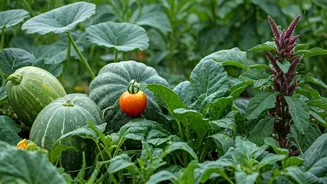


The Ultimate Green 'Flex'
Let’s be honest: in an era of fleeting digital trends, creating something real, tangible, and alive is the new status symbol. A monsoon kitchen garden is exactly that. It's a quiet declaration of self-sufficiency and a commitment to sustainability. When
your neighbour complains about the price of tomatoes or the limp coriander at the market, you can smile, head to your balcony, and pluck your own. That’s the 'flex'—it’s not about showing off, but about a deep, personal satisfaction. It’s about reducing your carbon footprint by shortening the distance from farm to table to literally zero metres. It’s about knowing exactly what goes into your food: no pesticides, no preservatives, just water, soil, and a little bit of your own care. During the monsoon, when outdoor activities are limited, it’s also a powerful tool for mental wellness, connecting you to nature’s cycles.
The Monsoon Starter Kit: What to Grow
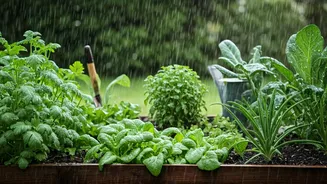
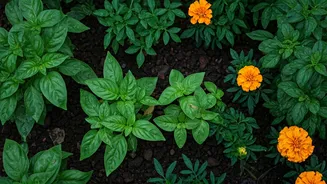
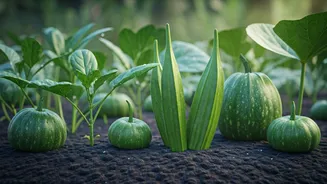
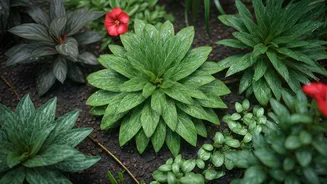
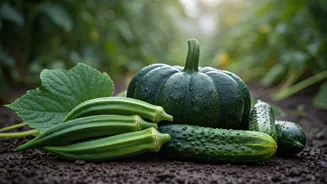
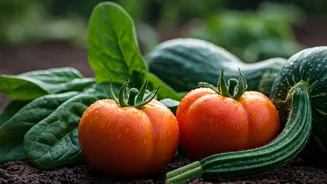
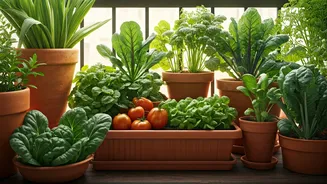
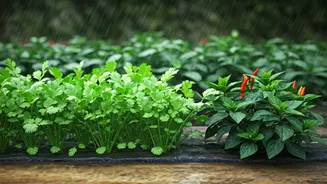
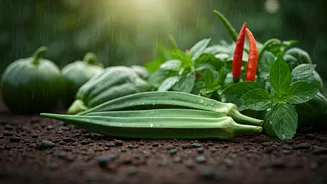
The Indian monsoon is a blessing for gardeners, with its high humidity and natural irrigation. The key is choosing plants that love the water but won't surrender to the damp. Here are some beginner-friendly champions: * **Leafy Greens:** Palak (Spinach), Amaranth (Chaulai), and other local greens thrive in the cool, wet weather. They grow quickly, giving you a fast and rewarding harvest. * **Gourds:** Varieties like Lauki (Bottle Gourd), Turai (Ridge Gourd), and Karela (Bitter Gourd) love the monsoon. Their vines add a beautiful, lush look to your space, and they are prolific producers. * **Bhindi (Okra):** A warm-weather crop that does exceptionally well in the rains. It’s relatively low-maintenance and a staple in Indian cuisine. * **Chillies and Brinjal:** These hardy plants are perfect for pots. They appreciate the consistent moisture but need good drainage. A few healthy plants can supply a family for the entire season. * **Herbs:** No kitchen garden is complete without them. Mint (Pudina) and Coriander (Dhania) are essentials. Mint will grow enthusiastically, while coriander may need some protection from very heavy downpours. A pot of fresh curry leaves is another non-negotiable.
Setting Up Your Green Corner
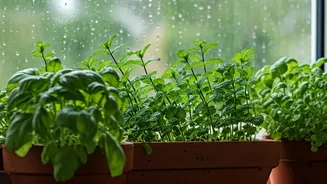
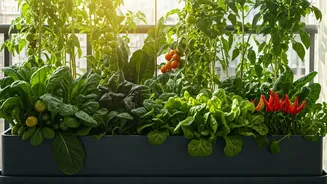
You don’t need a sprawling backyard. A small balcony, a sunny windowsill, or a patch on the terrace is all it takes. The most critical factor during the monsoon is drainage. Stagnant water is the enemy, leading to root rot. Start with containers that have plenty of drainage holes. Terracotta pots are excellent as they are porous and allow roots to breathe. Grow bags are a lightweight and affordable alternative. For the soil, don’t just use garden mud. A good potting mix should be light and airy. A simple and effective mix is one part soil, one part compost (like vermicompost), and one part cocopeat. The cocopeat helps retain moisture without becoming waterlogged, which is perfect for the rainy season. Position your plants where they can get at least 4-5 hours of sunlight, even if it’s filtered through monsoon clouds.
Monsoon Care and Troubleshooting
Gardening in the rain comes with its own rulebook. First, watering. It sounds obvious, but don't overwater! The rain will do most of the work. Before you water, stick your finger an inch into the soil. If it feels dry, then water. If it’s damp, leave it alone. Second, pests. Humidity invites fungal diseases and pests. A simple, organic solution is a neem oil spray. Mix a few drops of neem oil with a mild liquid soap and water, and spray your plants once a week as a preventative measure. It keeps common pests at bay without resorting to harsh chemicals. Also, ensure there is good air circulation around your plants by not placing them too close together. This helps prevent fungal growth on the leaves.