





Decoding the Data Deluge
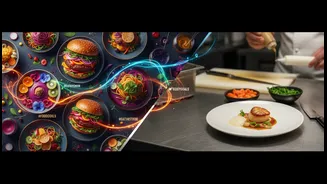
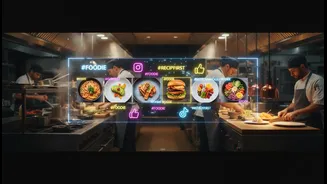
Let’s break down the two sides of this equation without the confusing tech-speak. First is 'social search data'. This is the digital trail of our collective food cravings. It includes everything from what we search for on Google, the food reels we watch
on Instagram, influencer posts, and viral cooking challenges. It’s a real-time, chaotic, and massive collection of public desire, showing what's exciting food lovers at any given moment. Think of the sudden craze for Korean-style buns or experimental desserts shaped like everyday objects; that’s social search data in motion.
Tracking What's Actually on the Plate
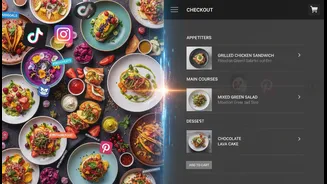
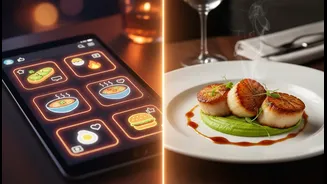
The other half is 'restaurant menu tracking'. This is the reality on the ground. It’s the analysis of what dishes are actually listed on restaurant menus, both physical and digital, and how well they sell. With the rise of QR code menus and digital ordering systems from companies like Petpooja and Toast, restaurants now have a goldmine of information. They can see which items are most popular, which are ignored, and what people are ordering at different times. This data is concrete, based on actual purchases, and directly tied to a restaurant's revenue.
So, Why the Big Gap?
If restaurants know what we want, why don’t they just serve it? The gap exists for several practical reasons. A food trend can go viral in a matter of days, but changing a menu takes time and money. Sourcing new or exotic ingredients like gochugaru or matcha at scale can be a logistical nightmare. A chef needs to test recipes, train kitchen staff, and figure out pricing to ensure a dish is profitable, not just popular. Many viral trends are just fleeting fads; a restaurant risks losing money if it invests in a dish that becomes old news in a few weeks. As one consultant noted, the product development cycle has shrunk dramatically, putting immense pressure on kitchens to keep up.
The Cost of Being Left Behind
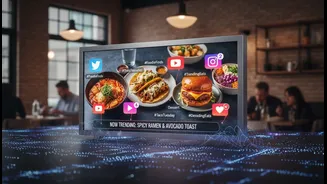
For restaurants, ignoring these trends completely can be a mistake. A significant portion of diners, especially younger ones, now use platforms like Instagram and TikTok to discover where to eat. A viral dish, even if offered for a limited time, can act as a powerful marketing tool, driving footfall and attracting first-time customers who then explore the rest of the menu. Some chains report that these trending items generate more app searches and initial orders than permanent dishes. Conversely, the gap creates an opportunity for nimble players like cloud kitchens and smaller cafes, which can adapt quickly to serve hyper-local or trending dishes without the overhead of a large chain.
What Does This Mean for Diners?
For the average person, this gap can be frustrating. You see a dish, you want to try it, but it’s unavailable. However, the increasing use of data analytics is slowly forcing the industry to become more responsive. As restaurants get better at analyzing social data, they can make smarter bets on which trends have staying power. AI-powered menus might one day suggest personalized items based on your past orders and current trends. A more connected system means that restaurants can reduce the lag between a trend's emergence and its appearance on your plate, leading to more dynamic, interesting, and relevant menus for everyone.