





The Monsoon's Universal Craving
There's a certain magic to the monsoon. It's a season of relief and renewal, but it also brings with it a desire for warmth, comfort, and nostalgia. As the downpour creates a soothing rhythm against our windowpanes, our culinary instincts turn inward.
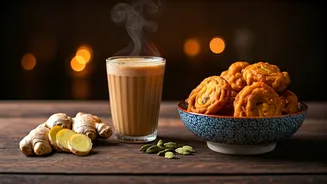
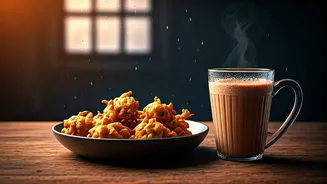
We move away from the light, cooling foods of summer and seek out dishes that are nourishing, soulful, and feel like a warm hug in a bowl. While pakoras and chai are the undisputed snacks of the season, when it comes to a full meal, Kadhi Chawal reigns supreme. It's more than just food; it’s a response to the weather, a tradition passed down through generations, and an edible embodiment of cosiness.
A Symphony in a Bowl
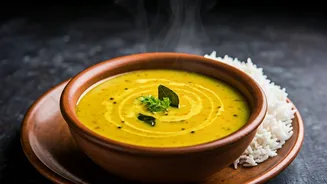
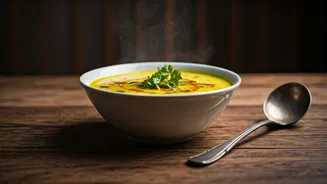
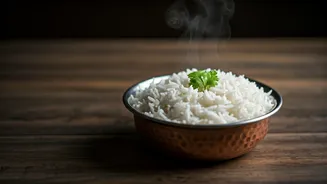
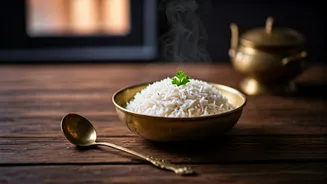
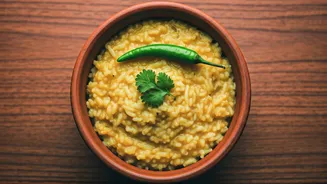
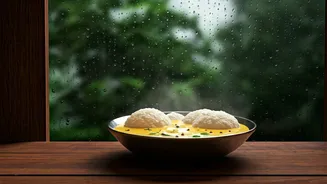
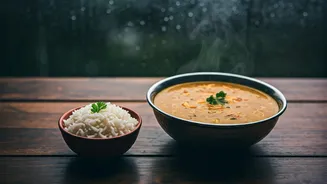
What makes this humble dish so perfect for a rainy day? It’s a masterful play of textures and temperatures. You have the hot, fluffy rice, a perfect canvas for the main event. Then comes the kadhi itself—a creamy, tangy, and savoury curry made from gram flour (besan) and sour yogurt (dahi). The liquid warmth of the kadhi, gently spiced with turmeric, mustard seeds, and curry leaves, immediately counters the damp chill of the monsoon air. And floating within this golden river are the pakoras—spongy, deep-fried fritters that soak up the curry, offering delightful bursts of flavour and a soft, yielding texture. Every spoonful offers a contrast: the soft rice, the smooth gravy, and the porous pakora. It’s a complete sensory experience that feels both simple and deeply complex.
The Science of Solace
This craving isn't just a matter of tradition; there's a science to our rainy-day desires. The drop in temperature and sunlight during a downpour can lead to a slight dip in serotonin, the body's 'happy chemical.' In response, we often crave carbohydrate-rich foods. The rice in Kadhi Chawal provides exactly that, helping to boost serotonin levels and improve our mood. Furthermore, warm, soupy dishes like kadhi have a psychologically comforting effect. They remind us of the simple, nourishing meals of our childhood, triggering feelings of safety, security, and care. It’s the culinary equivalent of pulling on a favourite old jumper—familiar, reliable, and instantly soothing.
A Dish with Many Dialects
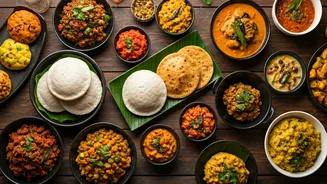
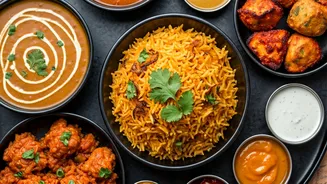
Like India itself, Kadhi Chawal is not a monolith. Its soul remains the same, but its expression changes from state to state, and even from family to family. The robust Punjabi Kadhi is thick, spicy, and loaded with large, fluffy onion pakoras. Travel west, and the Gujarati Kadhi offers a completely different experience—it’s thin, sweet, and often devoid of pakoras, sometimes tempered with cinnamon and cloves. In Rajasthan, the kadhi is spicier and tangier, often served with bajra roti instead of rice. Each version tells a story of its region's climate, palate, and agricultural produce. This diversity is part of its charm, a reminder that comfort has a local accent.