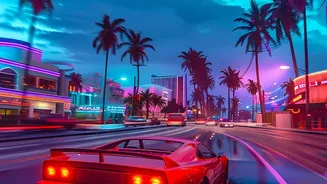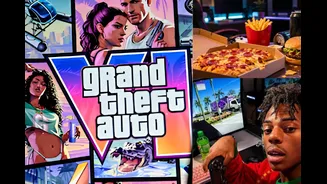





After 13 years of anticipation, the launch of Grand Theft Auto VI wasn't just a gaming event; it was a cultural phenomenon with real-world economic ripples. As millions of players settled in, cities across the US saw a new kind of midnight rush.
The Midnight Munchies Boom
As the
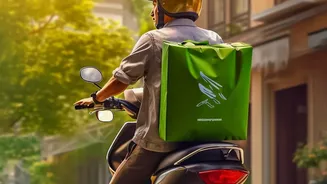
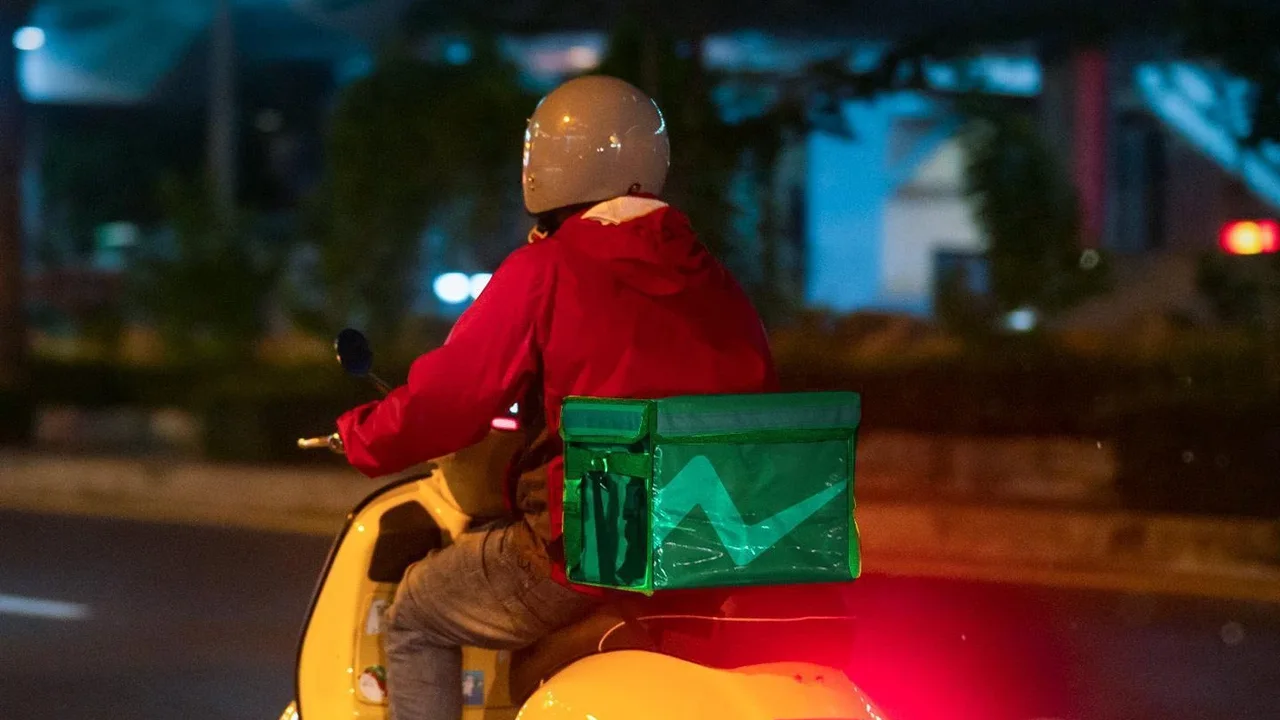
digital streets of Vice City lit up on screens across America, the real-world streets filled with delivery drivers. Major food delivery platforms reported a significant and immediate surge in late-night orders coinciding with the game's release on November 19. DoorDash noted that between 9 p.m. and 2 a.m., orders for classic gaming fuel like chips, burgers, fries, and pizza jumped by more than 10 percent. Energy drink orders saw an even sharper spike, climbing over 20 percent as players prepared for marathon sessions. The trend was particularly pronounced in Miami, the real-life inspiration for the game's setting. Uber Eats saw its orders between midnight and 5 a.m. in the city leap by more than 30 percent compared to previous weeks, while DoorDash recorded a nearly 25 percent increase. Other cities like Philadelphia, Detroit, and Atlanta also reported double-digit growth in late-night deliveries.
A Menu Fueled by Gaming
The specific items flying out of kitchens tell a story of convenience and comfort. According to Uber Eats, orders for Red Bull Watermelon soared by an incredible 95 percent, while Totino's Pizza Rolls saw a 54 percent jump. It wasn't just snacks; entire meals were in high demand. This phenomenon isn't entirely new, but the scale of the GTA VI launch amplified it to an unprecedented level. Major entertainment events have always influenced consumer behavior, but the immersive, hours-long nature of a game like GTA VI creates a captive audience that is unwilling to step away for something as mundane as cooking. Recognizing this, restaurant chains and delivery services leaned in. Uber Eats rolled out buy-one-get-one deals on popular items, and brands like Popeyes even launched limited-edition products like the 'Spice City Sandwich' to tie into the game's world.
More Than a Game, an Economic Event
The impact went far beyond the kitchen. The launch of GTA VI effectively created a temporary, nationwide 'stay-at-home' order for millions. One market intelligence firm predicted the game would drive more than 50 million additional visits to US food delivery and restaurant apps in its first 30 days. This ripple effect highlights a fundamental shift in how entertainment shapes commerce. A single game release was powerful enough to alter workplace attendance, with one payroll processor noting a 9 percent increase in paid time off requests on launch day. Some economists even estimated potential productivity losses in the hundreds of millions of dollars due to absences. This wasn't just about people playing a new game; it was about a significant portion of the consumer public reorganizing their schedules, priorities, and spending habits around a single, massive cultural touchstone.
The New Digital Super Bowl
In the past, events that could halt a nation and drive this level of simultaneous, shared activity were limited to major holidays or sporting championships like the Super Bowl. The GTA VI launch proves that video games have firmly entered that territory. With staggering day-one sales of $3.79 billion, the game's debut was the largest entertainment launch in history, eclipsing even the biggest blockbuster films. The associated spike in food delivery is a tangible metric of this new reality. When millions of people are focused on the same activity, their collective needs—for food, drinks, and convenience—create a powerful, predictable economic force. For restaurants, delivery drivers, and platform companies, these launches are no longer niche events but major commercial opportunities to be planned for and capitalized on, just like any other major national event.