


More Flavour, Less Waste
The philosophy of a zero-waste kitchen isn't about achieving perfection; it's about shifting perspective. Many parts of vegetables and other foods that are typically discarded are packed with flavour and nutrients. By using these scraps, you not only
reduce your environmental footprint but also stretch your grocery budget further. In India, this resourceful approach has deep cultural roots, where traditional kitchens have long practiced the art of using every part of an ingredient. Reducing food waste is a powerful climate action, as food decomposing in landfills releases methane, a potent greenhouse gas. A scrap-conscious kitchen saves money, adds new dimensions of flavour to your cooking, and contributes to a healthier planet.
The Versatile World of Vegetable Scraps
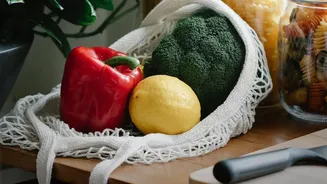
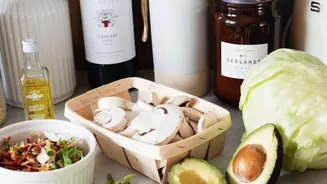
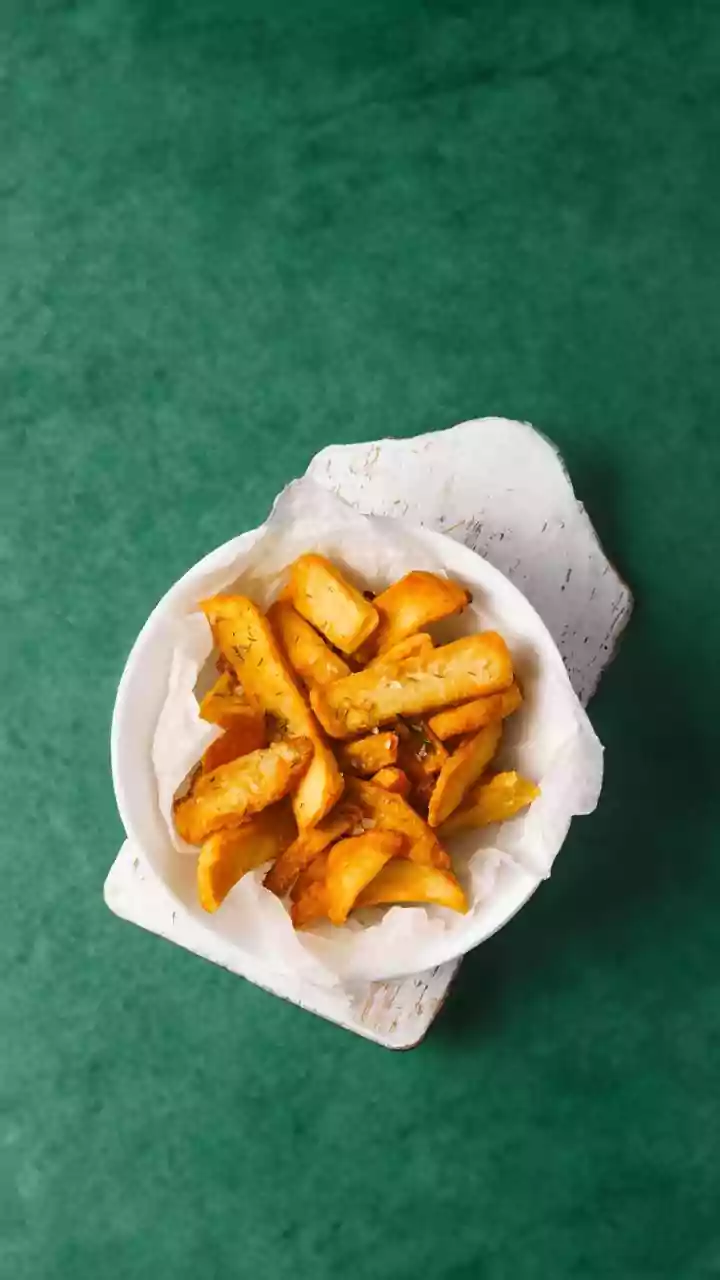
One of the easiest ways to begin is by saving your vegetable peels and offcuts. Keep a container or bag in your freezer for onion skins, carrot peels, cauliflower stalks, mushroom stems, and coriander stalks. Once full, you can simmer these scraps with some basic spices like peppercorns and cumin seeds to create a flavourful, homemade vegetable stock perfect for soups, dals, and pulaos. But it doesn't stop at stock. Potato peels can be tossed in oil and spices and roasted into crispy snacks. In South India, the fibrous peels of gourds are often roasted and ground into a nutritious chutney called Thogayal. Even the leaves of vegetables like cauliflower and beetroot, which are often thrown away, can be stir-fried or added to soups.
Give Stale Bread a Second Life
Stale rotis or bread are a common sight in many kitchens, but they are far from useless. Day-old rotis can be transformed into a comforting breakfast by tearing them into pieces and tossing them in a pan with tempered spices like mustard seeds, turmeric, and curry leaves—a dish known as Phodnichi Poli in Maharashtra. Similarly, hardened bread can be blitzed into breadcrumbs for coating cutlets, cubed and toasted into croutons for soups and salads, or used as the base for a rustic bread upma or poha. These simple swaps prevent waste and turn what would have been discarded into a whole new meal.
Unlock Flavour from Unlikely Sources
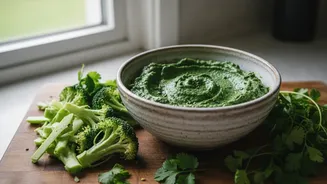
Many other kitchen cast-offs hold surprising culinary potential. The tough stems of herbs like coriander and mint are intensely aromatic and can be ground into chutneys and sauces or used in tempering. After making paneer or hung curd, the leftover whey is a nutrient-rich liquid that can be used to knead dough for rotis or as a tangy base for rasam or other gravies. Citrus peels from oranges and lemons can be dried and powdered to add zest to teas and desserts, or even used to make a flavourful pickle. Even watermelon rinds can be pickled into a crunchy, sweet-and-sour snack, ensuring absolutely nothing goes to waste.