




A Lunar Layer Cake
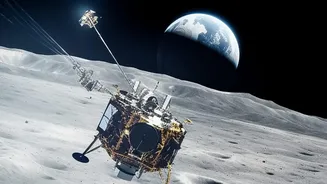
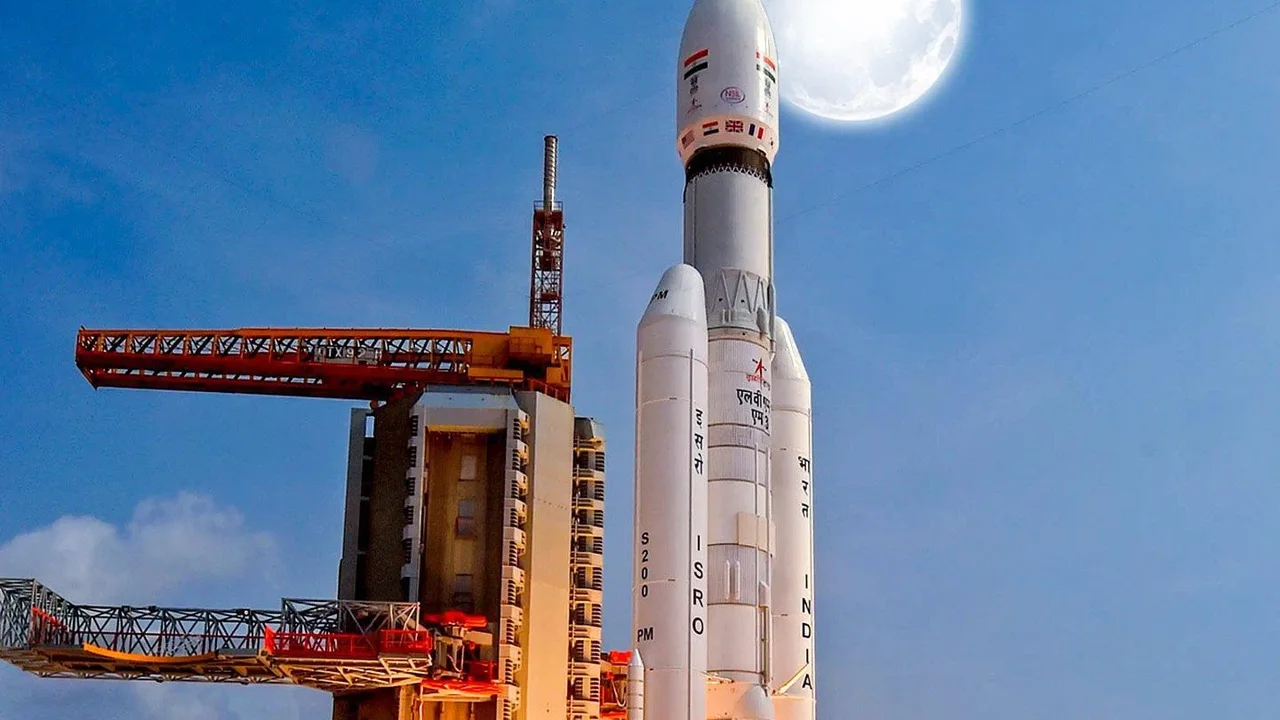
Scientists analysing data from the Vikram lander have discovered that the lunar regolith, the proper term for the Moon's soil, is structured like a cake with three distinct layers in the top 10 centimetres. The finding, detailed in the Nature Portfolio
journal npj Space Exploration, shows a complexity that researchers had not expected to find at such a fine scale. The top layer, extending down about 3 cm, is extremely loose and porous, with a porosity of around 80%. Below this lies a middle layer, from 3 to 6 cm deep, which is more conductive to heat. The third layer, between 6 and 10 cm, is denser and more compact, with its density increasing significantly with depth. This layered structure suggests a more complex history of meteorite impacts and surface evolution than previously thought.
The Tool for the Job: ChaSTE
This discovery was made possible by a key instrument aboard the Vikram lander: the Chandra’s Surface Thermophysical Experiment, or ChaSTE. Developed by teams at ISRO's Space Physics Laboratory and the Physical Research Laboratory, ChaSTE consists of a probe that was mechanically inserted 10 cm into the lunar surface after landing. This probe is equipped with 10 highly sensitive temperature sensors along its length. By measuring the temperature at different depths and actively heating a small portion of the soil, ChaSTE was able to build a detailed thermal profile. This allowed scientists to infer properties like thermal conductivity, density, and porosity, providing the first-ever in-situ measurements of this kind at the Moon's south polar region.
Clues from an Unexpected Hop
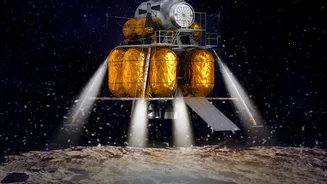
The new three-layer model builds upon an earlier analysis that had identified only two layers. That initial finding came from a clever, unplanned experiment. Towards the end of its primary mission, the Vikram lander fired its engines to perform a small 'hop' of about 50 centimetres. This manoeuvre, while a technology demonstration, had a significant scientific benefit: the engine exhaust blew away the top 2-3 cm of loose dust at the new landing spot. This exposed the denser, more cohesive layer beneath, giving scientists a comparative look at the subsurface. The latest study combines data from before and after the hop, providing a complete picture of the regolith's structure at the Shiv Shakti Point landing site.
Why These Layers Matter
Understanding the lunar soil is not just an academic exercise; it has profound implications for future exploration. The fact that the regolith is a poor conductor of heat, with a huge temperature difference between the surface and just a few centimetres below, is critical information. The top layer acts as a powerful insulator. This knowledge is vital for designing future lunar habitats, which could use the regolith to shield against extreme temperatures and harmful radiation. Furthermore, knowing the soil's density and cohesiveness is essential for building structures, designing rovers that won't get stuck, and planning for resource extraction, such as mining for water ice that might be trapped in colder, deeper pockets. This detailed data from Chandrayaan-3 provides a crucial ground truth for models and will help engineer safer and more effective lunar missions in the future.