



The Golden Healer: Turmeric
Turmeric, or haldi, is a cornerstone of Indian cooking for a reason. Its active compound, curcumin, has powerful anti-inflammatory, antioxidant, and antibacterial properties that are especially beneficial during the rainy season. A robust immune system
is your first line of defence against common monsoon ailments like colds and flu, and turmeric helps fortify it. During this season, when the digestive system can be sluggish, turmeric's ability to support gut health is invaluable. It helps protect the body from infections that can enter through food and water. How to use it: Beyond adding it to your daily dals and sabzis, a warm glass of haldi doodh (turmeric milk) before bed is a comforting and traditional way to boost immunity. You can also add a pinch to your morning tea or soups to easily incorporate its benefits.
The Digestive Aid: Ginger
Ginger is a monsoon essential known for its ability to soothe the digestive system and fight infections. The damp weather can weaken our digestive fire, or agni, leading to issues like bloating and indigestion. Ginger helps stimulate digestive enzymes, making it easier for your body to process food. It is also prized for its warming properties and its effectiveness in combating sore throats, coughs, and colds, which are common during this time. How to use it: Start your day with a warm cup of ginger tea, perhaps with a squeeze of lemon and a drop of honey for extra antimicrobial benefits. Grated ginger can be added to dals, curries, and vegetable stir-fries to enhance flavour and aid digestion. It provides a gentle, natural way to keep your gut happy and your respiratory system clear.
The Immunity Shield: Garlic
Garlic is another kitchen staple celebrated for its potent medicinal properties. It contains allicin, a compound known for its strong antibacterial and antiviral effects that enhance the body's immune response. This makes it a powerful ally in preventing the infections that thrive in the monsoon's humid environment. Regular consumption can help your body fight off the germs responsible for the flu and other seasonal illnesses. How to use it: For maximum benefit, it's often recommended to consume garlic chopped or crushed. Add it generously to the tadka for your dals and sabzis, toss it into warm soups, or mix it into chutneys. Its pungent flavour not only elevates a dish but also works to protect your health from within.
The Light Protein: Moong Dal
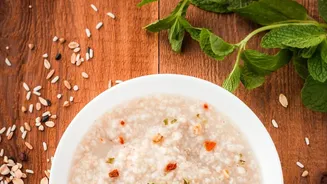
When your digestion is naturally slower, heavy meals can feel uncomfortable. Moong dal is the perfect solution. It is one of the most easily digestible legumes, providing high-quality plant-based protein and fibre without straining your gut. Light, warm, and nourishing meals are recommended by Ayurveda during the Varsha Ritu (rainy season), and moong dal fits this description perfectly. How to use it: The ultimate monsoon comfort food is a simple bowl of khichdi, made with moong dal and rice, and lightly spiced with turmeric and cumin. This one-pot meal is gentle on the stomach and provides balanced nutrition. A simple moong dal soup or a classic dal tadka served with rice are also excellent ways to enjoy its benefits.
The Gentle Giant: Bottle Gourd
During the monsoon, it's wise to opt for vegetables that are light and easy on the stomach. Bottle gourd, or lauki, is an ideal choice. It has high water content and is rich in fibre, which aids digestion and prevents constipation. It is also cooling for the system and provides essential nutrients without being heavy. Ayurveda often recommends cooked gourds during this season over raw salads, which can be harder to digest and may carry a higher risk of contamination. How to use it: Lauki can be prepared in numerous simple and delicious ways. A light lauki sabzi, seasoned with cumin and turmeric, makes for a wholesome meal with rotis. You can also make a nourishing lauki soup or add it to your dal for extra nutrients. Its mild flavour makes it incredibly versatile and a perfect addition to a simple monsoon diet.