


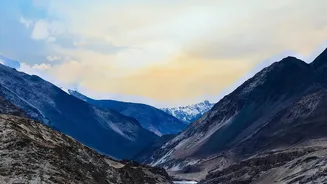
The Weather's Whimsical Nature
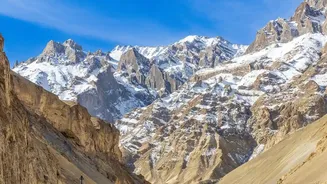
Late summer in Ladakh, spanning from August to September, is a period of dramatic beauty and equal unpredictability. While the peak season rush starts to thin, the weather becomes a key character in your travel story. Although Ladakh lies in a rain-shadow
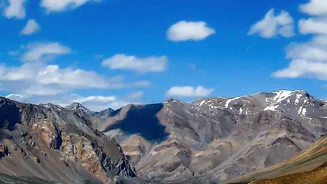
zone, meaning it gets far less monsoon rain than the rest of India, it's not entirely immune. Occasional heavy downpours can occur, especially in early August. These showers might sound minor, but in the fragile, arid landscape, they can trigger landslides and flash floods that block roads for hours or even days. Furthermore, as September approaches, the transition to autumn begins. Days are generally sunny and pleasant, with temperatures between 15°C and 25°C, but nights can drop sharply, sometimes near freezing at higher altitudes. Sudden snowfall on high passes like Khardung La or Chang La is not uncommon, even in summer. A rigid itinerary doesn't account for a day spent waiting for a pass to clear, turning your dream trip into a logistical nightmare.
The Reality of Road Travel
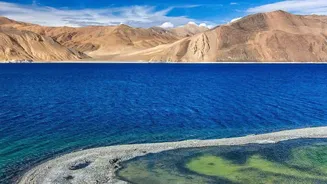
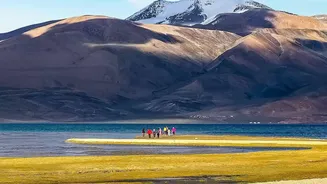
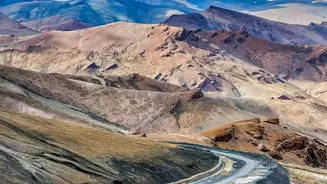
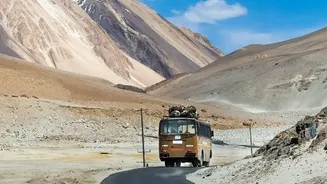
In Ladakh, distances are measured in hours, not kilometres. The journey is as much a part of the destination as the destination itself, with winding mountain roads offering breathtaking views. However, these same roads are susceptible to nature's whims. The main arteries connecting Ladakh to the rest of the country, the Srinagar-Leh and Manali-Leh highways, are prone to blockages from landslides during this season. Even within Ladakh, routes to popular destinations like Nubra Valley, Pangong Tso, and Tso Moriri can be temporarily cut off. The Border Roads Organisation (BRO) works tirelessly and often miraculously to clear these blockages within hours, but sometimes the damage requires days or weeks to repair. A fixed plan with non-refundable hotel bookings in the next valley becomes a major source of anxiety when you're stuck behind a landslide. A flexible approach allows you to wait patiently, explore your current location more deeply, or even switch to an alternate route or destination if one becomes available.
Acclimatization Is Non-Negotiable
Perhaps the most compelling reason for a flexible itinerary is your own health. Leh is situated at a high altitude of over 11,500 feet (3,500 meters), and destinations like Pangong Lake are even higher. Flying into Leh from the plains means a rapid ascent that your body needs time to adjust to. Rushing your schedule is the fastest way to invite Acute Mountain Sickness (AMS), whose symptoms include headaches, nausea, dizziness, and fatigue. Ignoring these signs can lead to severe, life-threatening conditions. The golden rule for Ladakh travel is to rest completely for the first 24-48 hours upon arrival. A rigid plan that has you ascending to a high pass on day two is dangerous. Flexibility allows you to listen to your body. If you feel unwell, you can add an extra rest day in Leh without derailing your entire trip. This isn't a vacation to be powered through; it’s an experience that demands respect for the altitude.
Embracing Spontaneous Discoveries
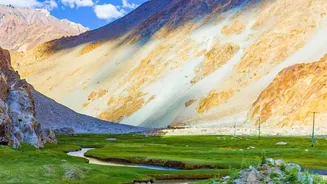
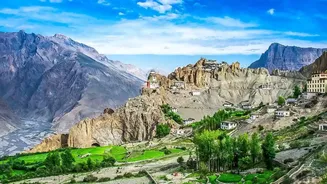
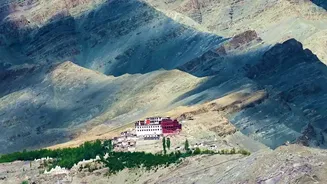
Beyond navigating challenges, flexibility opens the door to unexpected magic. Ladakh is more than just a checklist of famous sights. It's a land of hidden monasteries, serene villages, and vibrant local culture. A flexible schedule allows you to say "yes" to spontaneous opportunities. Perhaps you'll be invited for a cup of butter tea in a local home, stumble upon a village festival not listed in any guidebook, or simply find a landscape so captivating you want to spend the afternoon there instead of rushing to the next photo-op. You might fall in love with the peaceful vibe of a village like Turtuk or Hemis Shukpachan and decide to stay an extra night. These unplanned moments often become the most cherished memories of a trip. A strict itinerary robs you of this potential for genuine discovery, turning your journey into a mere fulfillment of a pre-decided plan.