


What Defines a Vintage Cake?
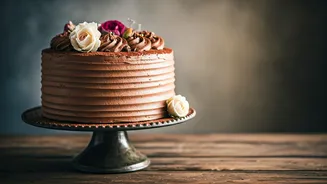
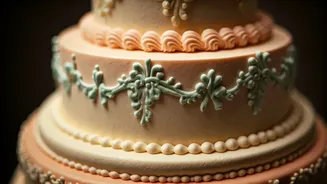
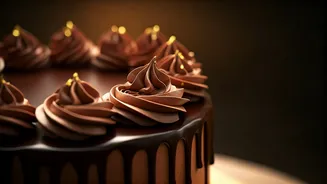
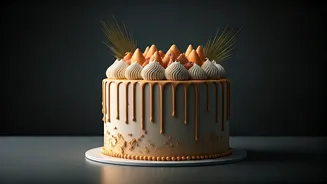
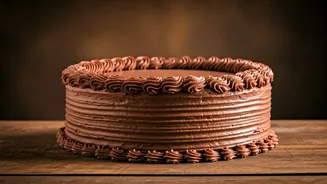
Before we slice into the 'why', let's define the 'what'. A vintage or retro-style cake is a delightful rebellion against the understated. Think intricate, over-the-top piping, buttercream swirls, delicate ruffles, shell borders, and a general feeling
of maximalism. The style is heavily associated with the Lambeth method, a technique popularized by Joseph Lambeth in the 1930s that involves layering piped decorations to create stunning 3D textures. Unlike the smooth, often flavour-compromising fondant cakes or the rustic 'naked' cakes that have dominated celebrations for years, vintage cakes are all about buttercream artistry. They are romantic, nostalgic, and designed to be the undisputed centerpiece of the party.
A Craving for Comfort and Nostalgia
One of the biggest drivers of this trend is a collective yearning for the past. These cakes evoke a powerful sense of nostalgia, reminding us of childhood birthday parties, faded family photographs, and the simple, heartfelt celebrations of yesteryear. For many, they recall the classic bakery cakes from childhood, with a taste and aroma that is deeply comforting. In a world that feels increasingly fast-paced and digital, the tangible, handcrafted nature of a vintage cake offers a comforting anchor. This return to classic styles is not just happening with cakes; it mirrors broader trends in fashion and decor, where retro aesthetics are being embraced for their charm and sense of history.
The Instagrammable Rebellion
While minimalist aesthetics have reigned supreme on social media, there's a growing appetite for things that are visually rich and joyfully complex. Vintage cakes are incredibly photogenic, providing a dramatic and textured subject that pops on any feed. The trend is a reaction to the highly curated, often sterile look of modern desserts. It’s a move towards something that feels more personal, expressive, and full of character. Bakers and customers alike are embracing the opportunity to play with bold colours, witty piped messages, and over-the-top decorations like glistening edible pearls and cherries, turning each cake into a unique work of art. This has proven particularly popular for milestone birthdays and weddings, where the cake becomes a memorable showstopper.
A Celebration of Flavour and Craft
This trend marks a significant shift back to buttercream, a medium loved for both its taste and versatility. For years, intricate designs often meant using royal icing or fondant, which could be visually impressive but less palatable. The vintage revival celebrates the rich, creamy taste of buttercream, prioritising a delicious eating experience without sacrificing design. Furthermore, the style champions craftsmanship. Creating a Lambeth-style cake is a painstaking, time-consuming art that requires immense skill and patience. In an age of mass production, people are increasingly drawn to items that showcase human artistry and effort. This appreciation for the baker's craft is a key part of the appeal, making the cake feel even more special.
The Trend Arrives in India
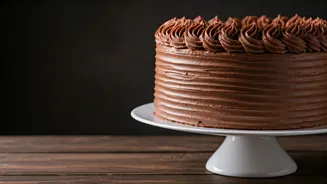
This global trend has firmly taken root in India, with bakeries in cities like Mumbai seeing a surge in demand for these elaborate creations. Local home bakers and patisseries are putting their own spin on the vintage style, sometimes incorporating traditional Indian dessert flavours like rose, cardamom, or saffron into the mix. While some sources point to trends like personalised photo cakes and multi-tiered designer cakes for 2026, the undercurrent of nostalgia and maximalism seen in vintage designs is a powerful force. The appeal of a beautiful, handcrafted cake that tastes as good as it looks is universal, and Indian celebrations are embracing this return to opulent, joyful, and delicious centrepieces. An Indian bakery even advertises an "Old-Fashioned Chocolate Buttercream Rosette Cake" that perfectly fits the vintage description.