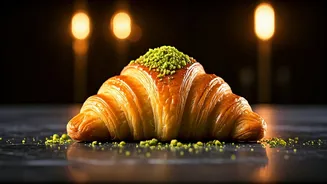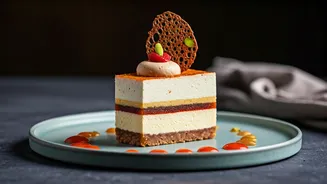




The Rise of a Sweet Superstar
At first glance, it sounds like an unlikely pairing. On one side, you have the gulab jamun: a quintessential Indian sweet made of fried milk solids soaked in a fragrant sugar syrup, beloved at every festival and family gathering. On the other, the cheesecake:
a rich, tangy, and sophisticated dessert with Western origins. Yet, when brought together, they create something magical. The Gulab Jamun Cheesecake has transcended the label of a quirky experiment to become a dessert menu headliner in cafes, a star at weddings, and a darling of social media food feeds across India. It represents the pinnacle of a culinary movement where nostalgia isn't just preserved; it's playfully reinvented.
A Symphony of Flavour and Texture
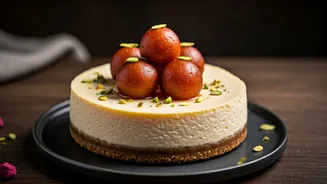
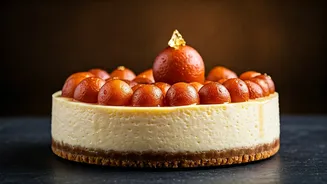
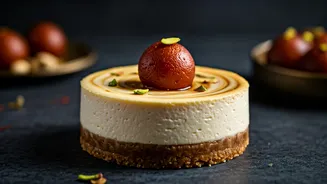
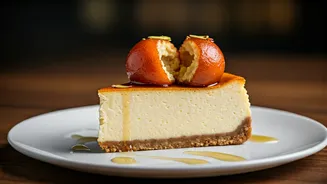
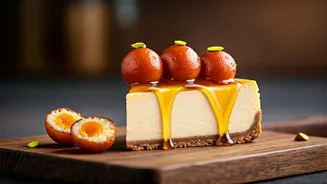
So, what makes this combination work so well? It’s a masterclass in contrast. The soft, spongy texture of the syrup-soaked gulab jamun provides a delightful surprise within the smooth, dense cream cheese filling. The intense sweetness of the traditional mithai is perfectly balanced by the subtle tang of the cheesecake, preventing either element from becoming overwhelming. The crunchy biscuit base adds a third textural layer, completing a dessert that engages the entire palate. It’s a familiar taste presented in an entirely new and exciting format, satisfying both the craving for tradition and the desire for novelty. This thoughtful balance is key to its success, ensuring it feels like a harmonious creation rather than a chaotic collision of ingredients.
From Niche Creation to National Craze
Like many great food trends, the Gulab Jamun Cheesecake started as a chef's innovation in a high-end restaurant kitchen. It was an attempt to offer something new to diners who were well-travelled and open to experimentation. But its journey from an exclusive treat to a mainstream favourite was fuelled by the power of the internet. A picture of a slice, with its distinct layers and glistening gulab jamun centre, is undeniably 'Instagrammable.' Food bloggers and influencers amplified its appeal, and soon, cafes and bakeries in metro cities began offering their own versions. The trend snowballed, and today, you can find it everywhere, from upscale patisseries in Mumbai and Delhi to home bakers in smaller towns cashing in on its viral popularity. It became more than a dessert; it became a statement.
What This Trend Says About Us
The obsession with fusion desserts like this one is a delicious reflection of modern Indian identity. It speaks to a generation that is deeply connected to its cultural roots but is also confidently global in its outlook. We love our traditional mithai, but we also enjoy a slice of New York cheesecake. This dessert says we don't have to choose. It’s a celebration of 'Indian-ness' in a contemporary context. This culinary creativity also shows a move away from the rigid rules that once governed Indian cuisine. Chefs and home cooks feel empowered to break tradition, not out of disrespect, but out of a desire to create new experiences and memories. It’s about honouring the past while fearlessly building the future, one delicious bite at a time.
The Fusion Dessert Family
While the Gulab Jamun Cheesecake may be the reigning monarch, it's part of a larger royal family of Indian fusion sweets. The same creative impulse has given us other delectable hits. Think Rasmalai Tiramisu, where the delicate flavours of saffron and cardamom milk meet Italian mascarpone and coffee. Consider Motichoor Laddoo Parfaits, layering crushed laddoos with whipped cream for a modern take on a festive classic. Or Jalebi with Rabri Panna Cotta, which deconstructs a beloved street-side combination into an elegant, plated dessert. Each of these creations follows the same successful formula: take a cherished, familiar flavour and present it in a surprising, globally-inspired format. It’s a testament to the endless versatility of Indian sweets.