



Why Clay Pots Are Your Plant's Best Friend
Before diving into aesthetics, it's worth knowing why clay pots, especially terracotta, are so good for your plants. Made from natural clay, these pots are porous. This breathability allows air and moisture to move through the sides of the pot, which
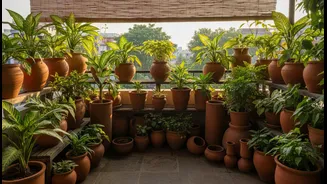
helps prevent overwatering and the dreaded root rot. It's a natural feature that's particularly beneficial in India's varied climates, as the material helps regulate soil temperature, keeping roots cooler in the heat. This makes clay an excellent choice for many houseplants, especially those that prefer their soil to dry out between waterings, like succulents and cacti.
Discover India's Rich Pottery Traditions
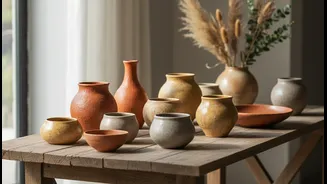
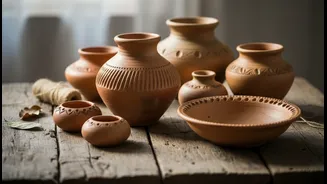
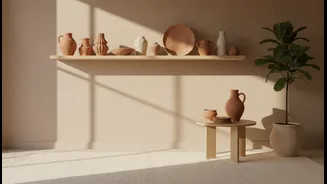
“Locally sourced” is where the magic happens. India has a stunning diversity of pottery traditions, each with its own character. Classic terracotta, with its warm, reddish-brown hue, is widely available and perfect for a rustic look. Look for hand-thrown pots from artisans in West Bengal or Kutch, which often feature simple, beautiful forms. For a splash of colour, consider Jaipur's famous Blue Pottery, which technically isn't clay but a mix of quartz powder and glass. Its vibrant blue and white patterns can make a striking statement. In Uttar Pradesh, you might find the unique black pottery of Nizamabad, which offers a sleek, modern alternative. Exploring local markets or artisan collectives can uncover unique pieces that tell a story.
Choosing the Right Greenery for Your Apartment
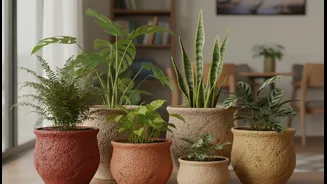
Indian apartments often have to contend with variable sunlight and space constraints. Luckily, many plants thrive in these conditions. For lower light areas, the Snake Plant and ZZ Plant are nearly indestructible and look incredibly chic with their structural leaves. The Peace Lily is another fantastic option for shadier spots and has the added benefit of producing elegant white flowers. If you have a bright window, an Areca Palm can add a touch of tropical lushness, while the ever-popular Money Plant (Pothos) is versatile enough to hang, trail, or climb. For sunny balconies, Aloe Vera is a perfect, low-maintenance choice that loves the drainage a clay pot provides.
The Art of the Perfect Plant-Pot Pairing
The key to a successful pairing is matching the pot's properties to the plant's needs. Porous, unglazed terracotta pots are ideal for drought-tolerant plants like Snake Plants, succulents, and rosemary, as they allow the soil to dry out quickly and prevent root rot. Plants that prefer more consistent moisture, like ferns or Peace Lilies, might do better in a glazed ceramic pot, which retains water for longer. However, you can still use terracotta for these plants; you'll just need to water them more frequently. Aesthetically, contrast is your friend. The sculptural, upright leaves of a Snake Plant look stunning in a simple, earthy terracotta pot. The delicate white blooms of a Peace Lily can be beautifully highlighted against a traditional hand-painted pot.
Styling Your Green Oasis in a Small Space
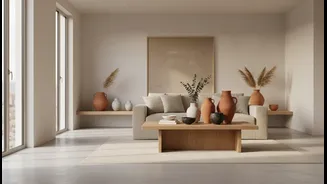
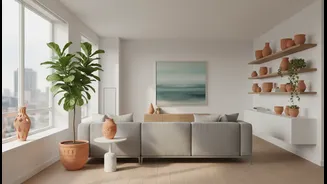
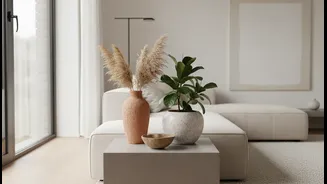
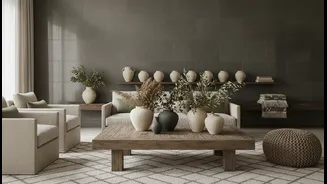
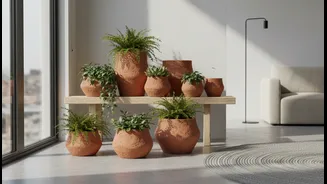
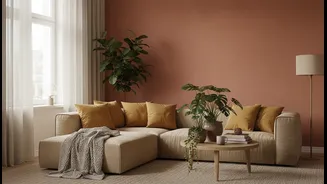
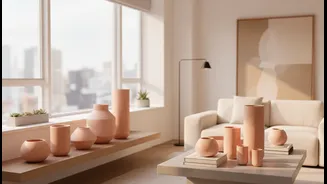
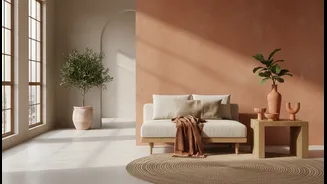
In an apartment, strategic placement is everything. Create visual interest by grouping pots of varying sizes and heights in a corner of your living room or on a windowsill. Using odd numbers—like a cluster of three or five pots—is a classic design trick that feels balanced and natural. Use vertical space by placing trailing plants like Money Plant or English Ivy in hanging macramé holders or on high shelves. A single, large statement plant in a beautiful, locally sourced pot can serve as a stunning focal point in your entryway or living room. Don't be afraid to mix and match textures. Pair a smooth glazed pot with a rustic, unglazed terracotta one, and combine them with other natural materials like jute rugs or wooden furniture to create a cohesive, warm, and inviting atmosphere.