


Decoding Trek Difficulty
Before you choose your adventure, it’s crucial to understand what trekking grades mean. 'Easy', 'moderate', and 'difficult' aren't just labels; they tell you about the terrain, daily walking hours, and maximum altitude. An easy trek usually involves 4-5
hours of walking per day on well-defined trails, staying below 12,000 feet. A moderate trek extends to 5-7 hours of walking, often involves steeper climbs to altitudes up to 14,000 feet, and may have some tricky sections. Difficult treks are for the seasoned adventurer, demanding 7-10 hours of walking, high altitudes above 14,000 feet, and navigating challenging terrain like glaciers or snowfields. Choosing a trek that matches your current fitness, not just your ambition, is the key to an enjoyable experience.
Top Treks for Beginners (Easy-Moderate)
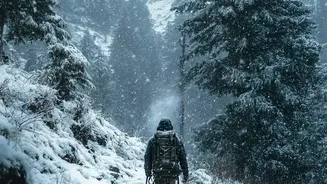
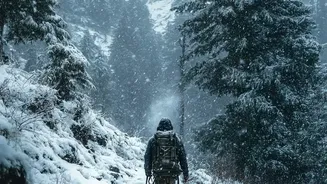
For those looking to experience their first Himalayan snow, the Kedarkantha and Brahmatal treks in Uttarakhand are standout choices. Kedarkantha, often called the 'Queen of Winter Treks', is a five to six-day journey that is perfect for first-timers. It involves walking about 4-5 hours daily through pine forests to a summit at 12,500 feet, offering stunning 360-degree views. The Brahmatal trek is a fantastic alternative, known for its beautiful frozen lakes, Brahmatal and Bekaltal, and incredible views of giants like Mt. Trishul and Nanda Ghunti. Graded as easy-to-moderate, it's a six-day trek that offers a slightly quieter experience than the popular Kedarkantha.
Stepping Up: Moderate Treks
If you have a couple of treks under your belt or are confident in your fitness, the Dayara Bugyal and Kuari Pass treks offer a more rewarding challenge. Dayara Bugyal is famous for its vast, rolling snow-covered meadows ('bugyals'). The trek is relatively short, about four days, but the climb to 12,300 feet provides breathtaking views of peaks like Bandarpoonch. Kuari Pass, known as the Lord Curzon trail, is a five to six-day trek renowned for its epic panoramas of some of India's most famous mountains, including Nanda Devi. While the gradients are often gentle, the altitude and winter conditions make it a solid moderate adventure.
The Ultimate Challenge: Difficult Treks
For experienced trekkers seeking an unparalleled adventure, the Chadar Trek in Ladakh is a legendary undertaking. This is not a mountain climb but a walk on the frozen Zanskar River over eight to nine days. The challenge comes from the extreme temperatures, which can drop to -30 degrees Celsius, and the unpredictable nature of the ice. It requires a high level of physical fitness, mental resilience, and prior experience in high-altitude trekking. This is a serious expedition that tests your limits against the raw power of a Himalayan winter.
Your Fitness Blueprint: Cardio is Key
No matter the trek, your preparation should start at least four to six weeks in advance. Cardiovascular endurance is the foundation of trekking fitness. At high altitudes, the air is thinner, and your body has to work harder. Aim to build your stamina so you can jog or run 5 km in about 40 minutes for an easy-moderate trek. Activities like brisk walking, jogging, cycling, or swimming for 45-60 minutes, four to five days a week, are excellent. Stair climbing is another highly effective exercise, as it directly mimics the motion of ascending a mountain trail and builds crucial leg strength.
Building Strength and Flexibility
While cardio is crucial, strength training will protect you from injury and help you carry your backpack with ease. Focus on your legs, core, and back. Incorporate exercises like squats, lunges, and planks into your routine three days a week. Don't forget flexibility. Daily stretching or yoga improves mobility, reduces the risk of muscle cramps, and can even help with breathing. Finally, practice by going on long walks with a weighted backpack, starting with 6-8 kgs. This will get your shoulders and back used to the load, making the actual trek far more comfortable.