

The Green Wave in Urban Cafes
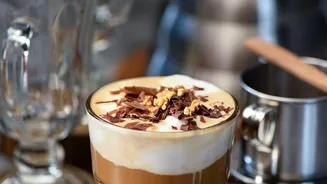
In the bustling cafes of India's metropolitan cities, a quiet revolution is brewing. For years, the sight of a tall, condensation-beaded glass of iced coffee has been the hallmark of urban café culture. It’s the go-to drink for a quick caffeine fix, a social
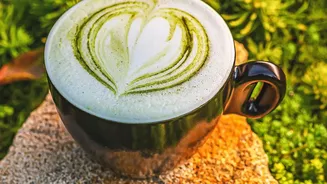
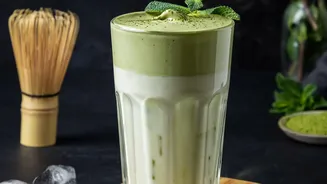
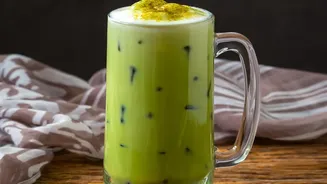
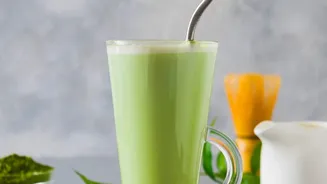
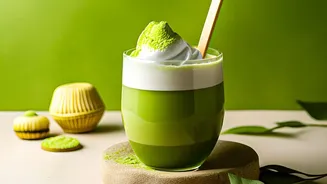
meet-up, or a long work session. But now, a new contender is making a splash. Artisanal matcha lattes, with their distinct bright green hue and frothy tops, are rapidly gaining ground, especially in cities like Bangalore, Mumbai, and Delhi. Once a niche item found only in high-end Japanese restaurants, matcha is now a mainstream staple on the menus of third-wave coffee shops like Blue Tokai and Third Wave Coffee, where a single latte can cost between ₹250 and ₹450. This isn't just a fleeting Instagram fad; it's a significant shift in consumer preference, with India's matcha market growing at a remarkable 8.6% annually, nearly double the pace of the broader tea market.
A Different Kind of Buzz
One of the primary drivers of matcha's ascent is the unique experience it offers compared to coffee. While a strong iced coffee delivers a sharp, immediate jolt of energy, it often comes with an equally sharp crash and potential jitters. Matcha, on the other hand, provides what many describe as a state of 'calm alertness'. This is due to the presence of an amino acid called L-theanine, which works in synergy with caffeine. L-theanine promotes relaxation and focus, smoothing out the stimulating effects of the caffeine. The result is a sustained energy boost that can last four to six hours, without the anxiety or subsequent slump associated with high-dose coffee. For a growing number of health-conscious consumers, especially those looking to reduce anxiety, this balanced energy makes matcha a more functional choice for their daily routine.
More Than Just a Pretty Drink
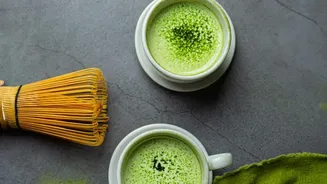
The appeal of matcha extends far beyond its caffeine content. It is globally celebrated as a superfood, packed with antioxidants—specifically catechins like EGCG (epigallocatechin gallate)—which are linked to numerous health benefits. Because you consume the entire ground tea leaf rather than just an infusion, matcha delivers a more potent dose of these nutrients compared to regular green tea. This wellness narrative strongly resonates with Millennial and Gen Z consumers in India, who are increasingly prioritising health and mindful living. They view matcha not just as a beverage, but as a functional drink that aligns with their fitness goals, offering benefits from a boosted metabolism to better skin.
The Instagram Factor
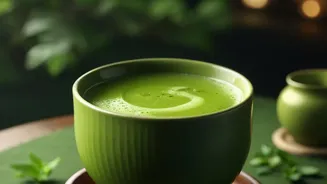
In today's visually-driven world, aesthetics are everything, and matcha is undeniably photogenic. Its vibrant, almost neon green colour makes for a stunning visual, whether served hot, iced, or in layered creations like mango or strawberry matcha lattes. Cafes have quickly capitalized on this, understanding that an 'Instagrammable' drink provides free marketing. While a classic iced coffee has a timeless appeal, the striking appearance of a matcha latte is tailor-made for social media feeds, where it has become a symbol of a modern, wellness-oriented lifestyle. This visual currency is a powerful driver of the trend, introducing the drink to a wider audience and solidifying its status as a desirable and fashionable choice.
Is Iced Coffee Losing Its Cool?
While matcha's rise is impressive, it's premature to declare the end of iced coffee's reign. Coffee culture in India is booming, with the market for cafes and bars projected to grow significantly. Iced coffee remains a beloved and dominant beverage, deeply embedded in the daily routines of millions. However, the headline-making growth of matcha signifies a diversification of the urban palate. Rather than a direct replacement, matcha is carving out a substantial and influential market share, particularly among younger, health-conscious, and globally-exposed demographics. Cafes are not seeing it as an either/or scenario; instead, they are expanding their menus to cater to this new demand. The success of matcha reflects a broader trend: consumers want more choices that align with their values, whether that's health, novelty, or the perfect social media post.