


Why the Rains Are Your Starting Gun
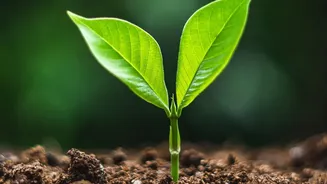
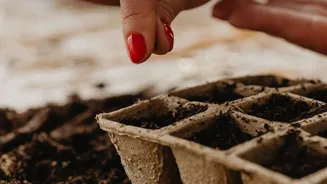
The monsoon is a blessing for gardeners, softening hard soil and reducing the need for daily watering. The humidity and consistent moisture help many seeds germinate faster and establish strong roots. However, jumping the gun can be disastrous. Sowing
seeds in dry, compacted soil just before a potential downpour is less effective than waiting for the first few showers to naturally prepare the earth. The rain loosens the soil, making it easier to work with and improving aeration for better root penetration. Patiently waiting for the ground to be adequately moist ensures your seeds have the best possible start. The key is to sow during a lighter-rain window of two or three days, which prevents seeds from being washed away or becoming waterlogged immediately.
Preparing Your Soil for Monsoon Sowing
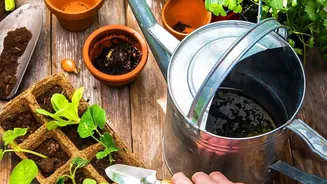
Good drainage is the single most important factor for a successful monsoon garden. Waterlogging is the biggest risk, as roots sitting in soggy soil can't breathe and will quickly begin to rot. Before you sow, ensure your soil is light and drains quickly. A good mix for pots includes garden soil, cocopeat, and compost, which creates an airy texture. For garden beds, consider creating raised beds by elevating them 15 to 30 centimetres above ground level to help excess water run off. Loosening the top few inches of soil with a fork and incorporating organic matter like compost will improve both structure and nutrient content. If you're gardening in pots, lifting them off the ground with bricks or pot stands is essential to keep the drainage holes from getting blocked.
Vegetables to Plant This August
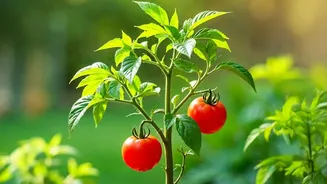
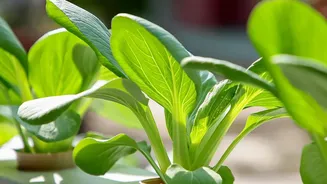
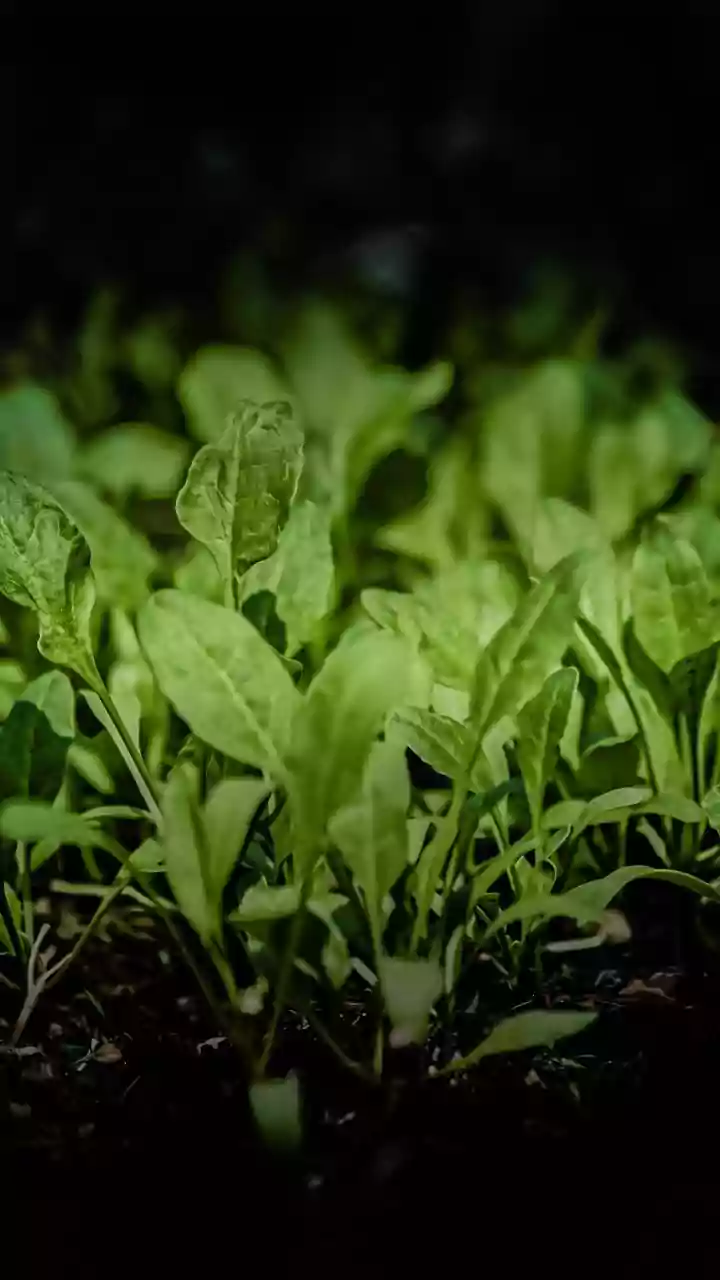
August is an excellent time to sow a variety of vegetables that thrive in warm, humid conditions. Okra (Bhindi) is a reliable monsoon crop, as is the entire family of gourds, including bottle gourd (lauki), ridge gourd (turai), and pumpkin. Tomatoes are another great choice; starting them now sets you up for a fantastic autumn harvest. Root vegetables like radish and beetroot also do well, with some radish varieties ready for harvest in just a few weeks. You can also plant leafy greens like lettuce and amaranthus (chaulai), and legumes such as French beans and cluster beans. For those wanting to sow brinjals, chillies, and capsicum, August provides the right climate for these fruiting vegetables to establish themselves.
Flowers to Brighten Rainy Days
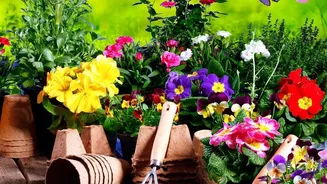
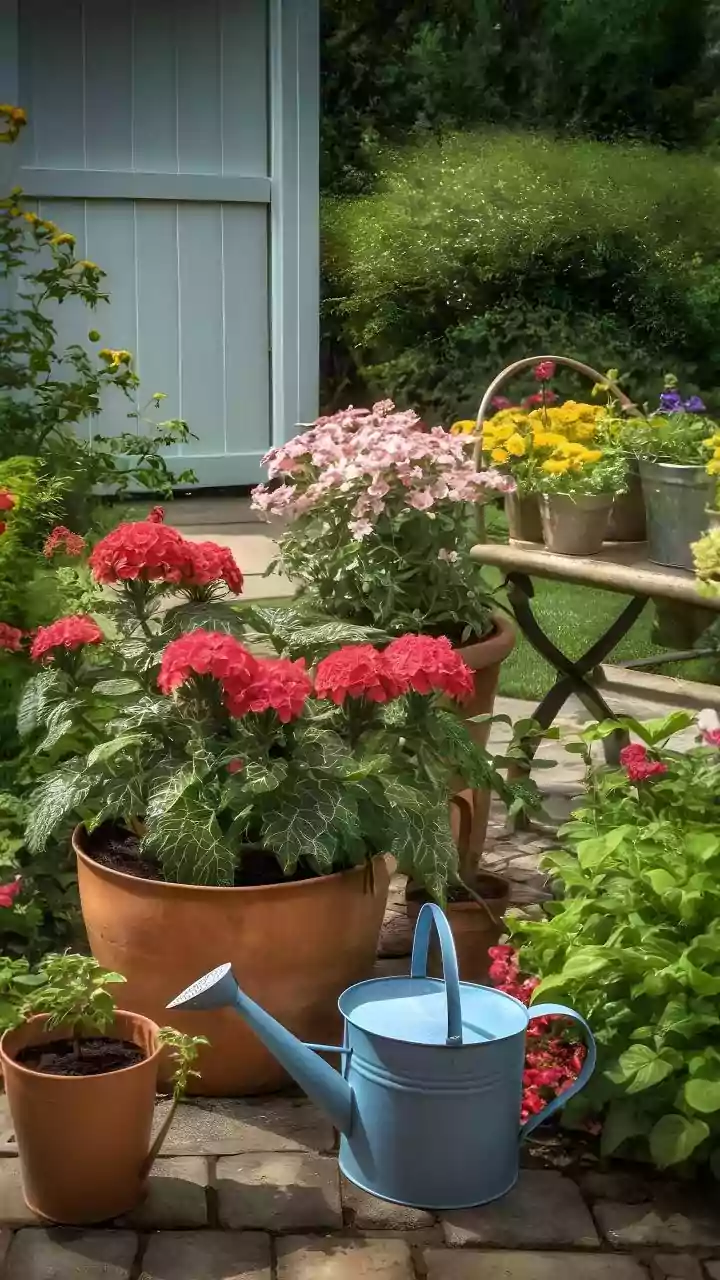
The monsoon is also a wonderful time to sow flowering plants. Marigolds are a classic choice, and planting them in August can time their blooms perfectly for the festive season ahead. Zinnias, Cosmos, and Balsam are other easy-to-grow options that add a splash of vibrant colour to the garden. For those who love fragrant flowers, Jasmine and Mogra thrive in the monsoon humidity, releasing their sweet scent in the evenings. If you have a sunny spot, Sunflowers can be sown now, and climbing varieties like Morning Glory and Butterfly Pea (Aparajita) will happily scale trellises during the rainy season. Many of these flowers are resilient and bloom profusely after a downpour.
Navigating Rainfall: Too Much or Too Little
While rain is welcome, too much can cause problems. If you face continuous heavy showers, you may need to protect seedlings. Move small pots under a covered area like a balcony, ensuring the sides are open for airflow. For plants in the ground, creating shallow channels can help guide excess water away from the root zone. Mulching with straw or dried leaves is also effective, but it's best to apply it after the rain eases to avoid trapping too much moisture. Conversely, if there's a dry spell after you've sown, don't let the soil dry out completely. Check the soil moisture before watering and ensure your plants, especially seedlings, stay consistently moist but not waterlogged.