



The Real Sodium Culprits
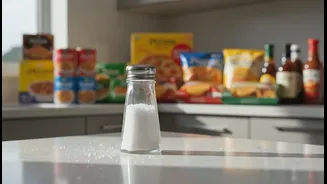
When we talk about cutting down on sodium, the first instinct is to hide the salt shaker. While that's a start, it's a surprisingly small part of the picture. Research consistently shows that the vast majority of sodium in our diet—more than 70%—comes
from processed, packaged, and restaurant foods. Only about 11% of our total sodium intake comes from the salt we add while cooking or at the table. The rest occurs naturally in some foods. This means that even if you never touch a salt shaker, you could still be consuming far more sodium than recommended. Manufacturers add sodium for flavour, to improve texture, and as a preservative, turning everyday items into significant sources of salt.
How Much Is Too Much?
Our bodies need a small amount of sodium to function correctly, helping with nerve function and fluid balance. However, most of us consume far more than necessary. The World Health Organization (WHO) recommends limiting salt intake to less than 5 grams per day, which is equivalent to about 2,000 milligrams (mg) of sodium. In India, studies show the average adult consumes around 8 to 11 grams of salt daily, nearly double the recommended limit. This excess intake is a major risk factor for high blood pressure, which in turn can lead to heart disease, stroke, and kidney problems.
The Usual (and Unusual) Suspects
You probably know that foods like chips, pickles, and cured meats are high in sodium. But salt hides in many less obvious places. Breads and rolls, for instance, are a top source of sodium simply because we eat so much of them. Other surprising culprits include breakfast cereals, canned soups, frozen meals, and even poultry, which is often injected with a saline solution to keep it juicy. Condiments are another major source; just one tablespoon of soy sauce can contain over 800 mg of sodium. Salad dressings, ketchup, cheese, and pasta sauces also contribute significantly to our daily total.
Becoming a Sodium Detective
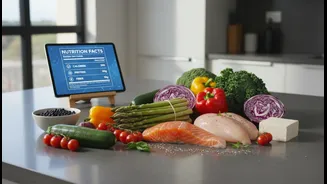
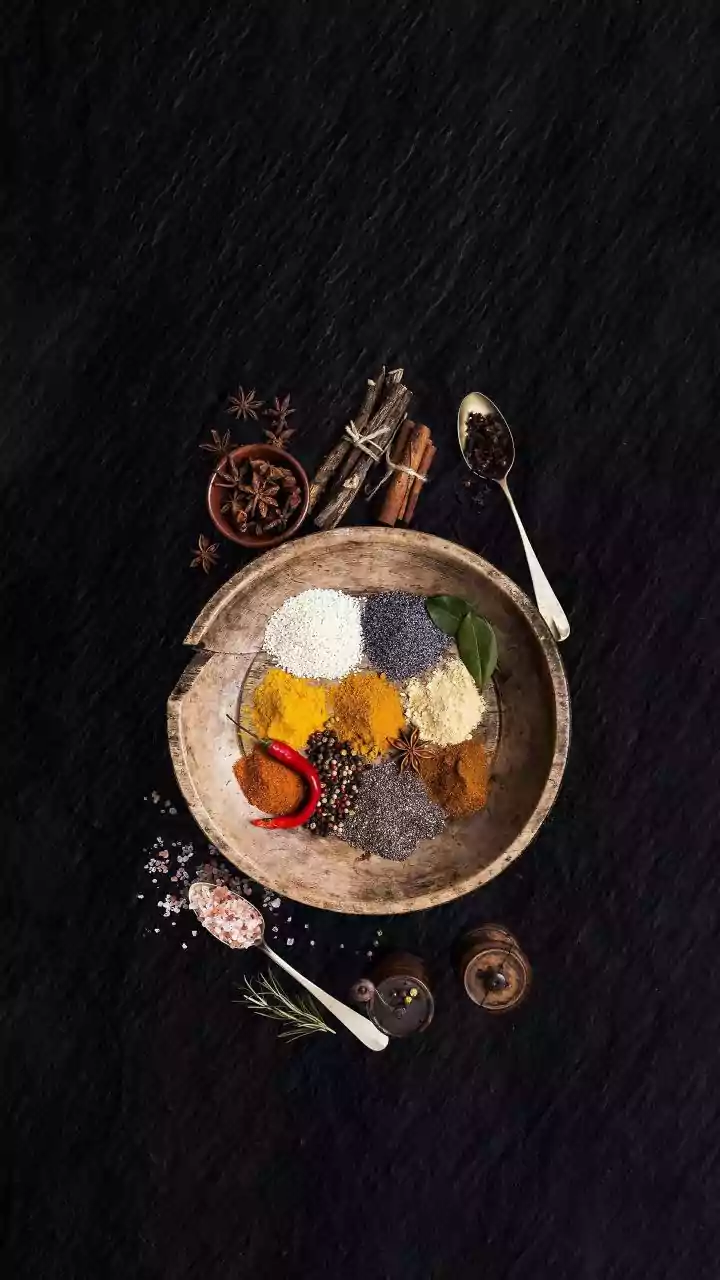
The key to managing sodium is to become a more mindful consumer. Start by reading the Nutrition Facts label on packaged foods. Look for the amount of sodium per serving and be wary of products where a single serving contains 20% or more of your Daily Value (%DV) for sodium. When shopping, opt for products labelled "low sodium," "reduced sodium," or "no salt added." Simple swaps can make a big difference. Choose fresh or frozen vegetables over canned versions, or if you do use canned goods like beans, rinse them thoroughly to wash away some of the salt. When you cook at home, you have complete control. Experiment with flavouring your food with herbs, spices, garlic, onions, and citrus juice instead of relying on salt.
Eating Out Smarter
Restaurant meals are notoriously high in sodium. However, you can still enjoy eating out while keeping your intake in check. Don't be afraid to make special requests. Ask for your dish to be prepared without added salt and for sauces or dressings to be served on the side so you can control how much you use. Choosing dishes that are steamed, grilled, or roasted over those that are fried or come in heavy sauces can also help. Ultimately, limiting how often you eat out and preparing more meals at home is one of the most effective strategies for reducing sodium.