






The Big One: Cardio or Strength?
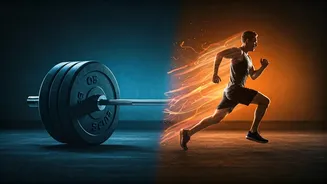
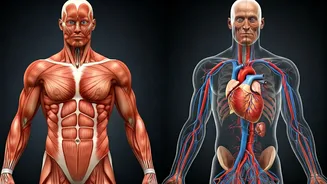
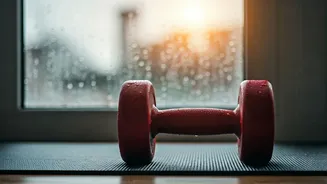
This is the classic online fitness showdown, but science has a clear winner: you need both. Thinking of it as a competition is a mistake; your heart and muscles are collaborators, not competitors. Aerobic exercise, or cardio, is phenomenal for your heart,
lungs, and metabolic health, with some research showing it can reduce the risk of premature death by 24-34% on its own. Higher cardiorespiratory fitness (VO2 max) is one of the single strongest predictors of longevity. On the other hand, strength training is what allows you to live well. It builds and maintains muscle mass, which is crucial for preventing frailty, falls, and metabolic decline as you age. Studies show that combining both cardio and strength training can reduce mortality risk by an impressive 41-47%, far more than either can alone. The consensus is clear: a long, healthy life requires a strong heart and strong muscles.
The Intensity Debate: All-Out HIIT or Steady Zone 2?
Another fierce online debate pits High-Intensity Interval Training (HIIT) against low-intensity steady-state cardio, often called Zone 2 training. HIIT involves short, all-out efforts followed by rest, and it's praised for being time-efficient and excellent at boosting your peak fitness (VO2 max). Zone 2 is sustained exercise at a conversational pace (60-70% of max heart rate), where your body becomes very efficient at burning fat for fuel. While HIIT can deliver rapid improvements, its high-stress nature can also lead to higher dropout rates and demands more recovery. Zone 2 training, being less taxing, promotes better long-term adherence and is foundational for building mitochondrial health and endurance. So which is better? Again, it’s not an either/or question. Most experts recommend a hybrid approach. A common model suggests spending about 80% of your cardio time in low-intensity zones and 20% in high-intensity work. This gives you the metabolic and endurance benefits of Zone 2, plus the peak fitness boost from HIIT.
A Surprising Health Marker: Grip Strength
One of the most overlooked but powerful indicators of long-term health is handgrip strength. While it seems like a simple test of your hands, a large body of research shows it’s a strong predictor of your overall health and mortality risk. One major study found that for every 5 kg decrease in grip strength, there was a 16% increase in all-cause mortality. Why? Because grip strength is a reliable proxy for your overall muscle strength and frailty. Weakness in your hands often signals a broader loss of muscle and bone density throughout the body, a condition known as sarcopenia, which is a major risk factor for falls, disability, and a shorter healthspan. It reflects the health of multiple body systems at once, making it a surprisingly accurate biomarker of aging.
The Unsung Hero: Recovery and Sleep
In the quest for fitness, it's easy to focus only on the work. But online, a growing chorus of experts is emphasizing that recovery isn't just time off—it's a critical part of the training process. When you exercise, you create microscopic tears in your muscles; they rebuild and get stronger during rest. Without adequate recovery, you risk overtraining, injury, and burnout. The most powerful recovery tool of all is sleep. During deep sleep, your body repairs tissues, regulates crucial hormones, and reduces inflammation. Consistently getting 7-9 hours of quality sleep is linked to better immune function, cognitive health, and metabolic control. Think of recovery not as inaction, but as the work that solidifies your gains.