







Mistake 1: Skipping the Official Registration
One of the most serious errors is attempting the yatra without proper registration. The Shri Amarnathji Shrine Board (SASB) mandates a strict registration process for safety and crowd management. As per recent advisories for the 2026 yatra, unregistered
pilgrims will not be allowed to proceed on the routes. Registration requires a Compulsory Health Certificate (CHC) from an authorized doctor to ensure you are fit for the high-altitude journey. Attempting to bypass this can lead to being turned away by authorities. Always register online or through designated banks well in advance and travel only on your allotted date.
Mistake 2: Underestimating Physical Preparation
The trek to the holy cave, situated at an altitude of 12,756 feet, is physically demanding. A common mistake is assuming one can manage without prior conditioning. Authorities strongly advise starting preparations at least a month in advance. This should include daily walks or jogs of 4-5 km to build stamina. Incorporating deep breathing exercises and yoga, particularly pranayama, can also help your body's oxygen efficiency at high altitudes. Arriving physically unprepared can lead to severe fatigue and increases the risk of altitude sickness, turning a divine journey into a struggle.
Mistake 3: Ignoring High-Altitude Sickness
Altitude sickness is a genuine and dangerous risk on the Amarnath Yatra. Symptoms can include headaches, dizziness, and nausea. The mistake is to ignore these signs and push onward. To prevent this, proper acclimatization is crucial. This means ascending gradually and taking adequate rest. Staying well-hydrated by drinking about 5 litres of water daily is essential. It is also advised to avoid alcohol, caffeine, and smoking, as they can worsen dehydration and altitude-related symptoms. If symptoms appear, the only cure is to descend to a lower altitude immediately and seek medical attention at the camps located along the route.
Mistake 4: Packing the Wrong Gear and Clothing
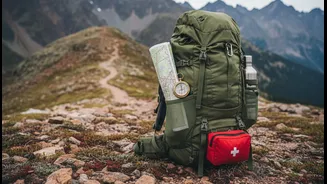
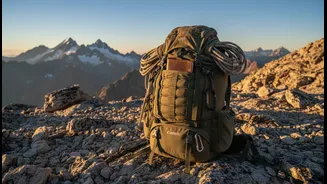
The weather in the Himalayas is notoriously unpredictable, and packing incorrectly is a frequent error. Many pilgrims carry unnecessary luggage, making the trek harder, or forget essentials. Wearing brand-new, unbroken-in shoes is a recipe for blisters. Instead, opt for sturdy, waterproof trekking shoes with good grip. The key is to dress in layers: a base layer, a warm fleece jacket, and a waterproof outer jacket. Avoid sarees and opt for tracksuits or salwar kameez for easier movement. Essential items include woollen caps, gloves, a raincoat, and a walking stick for support.
Mistake 5: Disregarding Official Guidelines and Timings
The SASB and local authorities issue specific guidelines for a reason: your safety. Taking unauthorised shortcuts, travelling alone, or ignoring warning signs can be perilous. The routes are clearly marked; stick to them and always travel with a group. It's also important to respect the established yatra timings. Trying to travel before your scheduled date or arriving too early will not grant you earlier access and can cause logistical issues for the administration. Adhering to all rules and cooperating with security personnel ensures a smooth and orderly pilgrimage for everyone.
Mistake 6: Leaving an Environmental Footprint
The Amarnath Yatra passes through a pristine and ecologically sensitive environment. A mistake pilgrims can make is to inadvertently harm this fragile ecosystem. Littering plastics and other waste is strictly discouraged. Always use the designated dustbins along the route. The use of plastics is banned, and yatris are encouraged to respect the sanctity of the area by not disturbing the natural surroundings. The journey is a spiritual one, and part of that devotion includes preserving the purity of the landscape for all who come after.